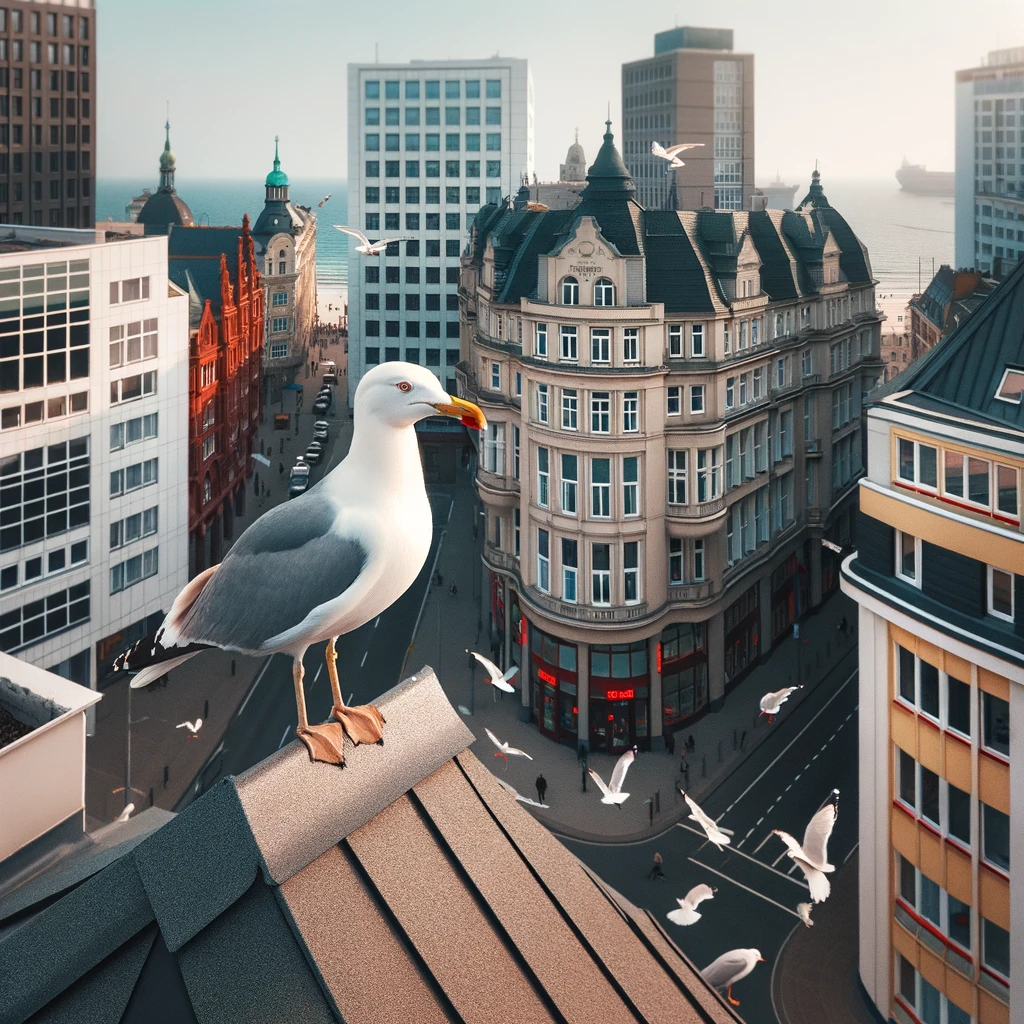
Seagulls are moving to cities because they are losing their natural homes. They are having a hard time finding food in the wild because of sickness and not enough fish. So, they look for food in cities, which can cause problems with people. But, experts say we should not be mad at them. Instead, we should find ways to live together, like using better trash cans and not leaving food outside.
Gulls are birds that are not doing well in the wild. In the UK, all six main kinds of gulls are having a hard time and are on special lists that show they need help. People did a big count of gulls in winter to see how many there are and where they stay. This information will help make plans to protect gulls better. Even though fewer gulls are living in natural places, some think more gulls are making homes on buildings, but we're not sure.
Some people think gulls are annoying, especially when they are trying to protect their babies. But, experts say gulls are interesting animals and we should like having them around. If we understand why gulls act the way they do and help by doing simple things like using good trash cans, we can get along with them in cities. More counting of gulls will happen at the end of the year to help protect them.
Original news source: Seagulls 'charismatic' not 'criminal', say scientists (BBC)
🎧 Listen:
📖 Vocabulary:
Group or Classroom Activities
Warm-up Activities:
– Charades
Instructions: Divide the class into two teams. Write down various actions or behaviors that seagulls might do on small pieces of paper (e.g. flying, diving, searching for food, protecting their babies). Have one student from each team come to the front of the class and act out the action on their piece of paper without speaking. The team members must guess what action the student is acting out. The team that guesses correctly gets a point. Repeat with different students and actions.
– News Summary
Instructions: In pairs, have students read the article and take turns summarizing the main points to their partner. Encourage them to use their own words and practice paraphrasing. After they have finished, have them switch partners and summarize the article again. Finally, have a class discussion where students share their summaries and discuss any differences or similarities.
– Opinion Poll
Instructions: Create a list of statements related to the article, such as "Seagulls should be protected in cities" or "Seagulls are annoying and should be removed from cities." Have students stand up and move to different parts of the room to indicate their level of agreement or disagreement with each statement. Once they have chosen their spot, ask a few students to explain their reasoning. This activity encourages critical thinking and practicing expressing opinions.
– Word Association
Instructions: Write the word "seagulls" on the board. Have students take turns naming words or phrases that they associate with seagulls. Encourage them to think of both positive and negative associations. Write their answers on the board, creating a word cloud. Once the word cloud is complete, ask students to share their thoughts on seagulls based on the associations they see.
– Sketch It
Instructions: In pairs, have one student describe a scene involving seagulls to their partner. The partner must then sketch the scene based on the description. After they have finished, have them switch roles. Once both students have had a chance to describe and sketch, have them compare their drawings and discuss any differences or similarities. This activity helps develop listening skills and encourages creativity.
🤔 Comprehension Questions:
Seagulls are moving to cities because they are losing their natural homes.
Seagulls are having a hard time finding food in the wild because of sickness and not enough fish.
People can live together with seagulls in cities by using better trash cans and not leaving food outside.
Gulls are on special lists in the UK because they need help and protection.
People gathered information about how many gulls there are and where they stay in the winter.
Some people find gulls annoying, especially when they are trying to protect their babies.
We can get along with gulls in cities by understanding why they act the way they do and by doing simple things like using good trash cans.
🎧✍️ Listen and Fill in the Gaps:
Seagulls are moving to cities because they are losing their natural homes. They are having a hard time finding in the wild because of sickness and not enough . So, they look for food in cities, which can cause with people. But, experts say we should not be mad at them. Instead, we should find ways to live together, like using trash cans and not leaving food outside. Gulls are birds that are not doing well in the wild. In the UK, all six main kinds of gulls are having a hard time and are on lists that show they need help. People did a big of gulls in winter to see how many there are and where they stay. This information will help make plans to protect gulls better. Even though fewer gulls are living in natural , some think gulls are making homes on buildings, but we're not sure. Some think gulls are annoying, especially when they are trying to protect their babies. But, experts say gulls are interesting animals and we should like having them around. If we understand why gulls act the way they do and help by simple things like good cans, we can get along with them in cities. More counting of gulls will happen at the end of the year to help protect them.
💬 Discussion Questions:
1. What is a seagull?
2. How do seagulls look for food in cities?
3. Why are seagulls moving to cities?
4. How do seagulls cause problems with people in cities?
5. Do you like having seagulls around? Why or why not?
6. How would you feel if seagulls were always near your house?
7. What can we do to live together with seagulls in cities?
8. Why do seagulls have a hard time finding food in the wild?
9. Do you think we should be mad at seagulls for coming to cities? Why or why not?
10. What are some things we can do to protect seagulls?
11. How do seagulls protect their babies?
12. Have you ever seen a seagull? Where did you see it?
Individual Activities
📖💭 Vocabulary Meanings:
Click a dot next to a word, then click the dot next to its meaning to draw a line connecting them.
Words
Meanings
🔡 Multiple Choice Questions:
🕵️ True or False Questions:
📝 Write a Summary:
Write a summary of this news article in two sentences.
Check your writing now with the best free AI for English writing!