
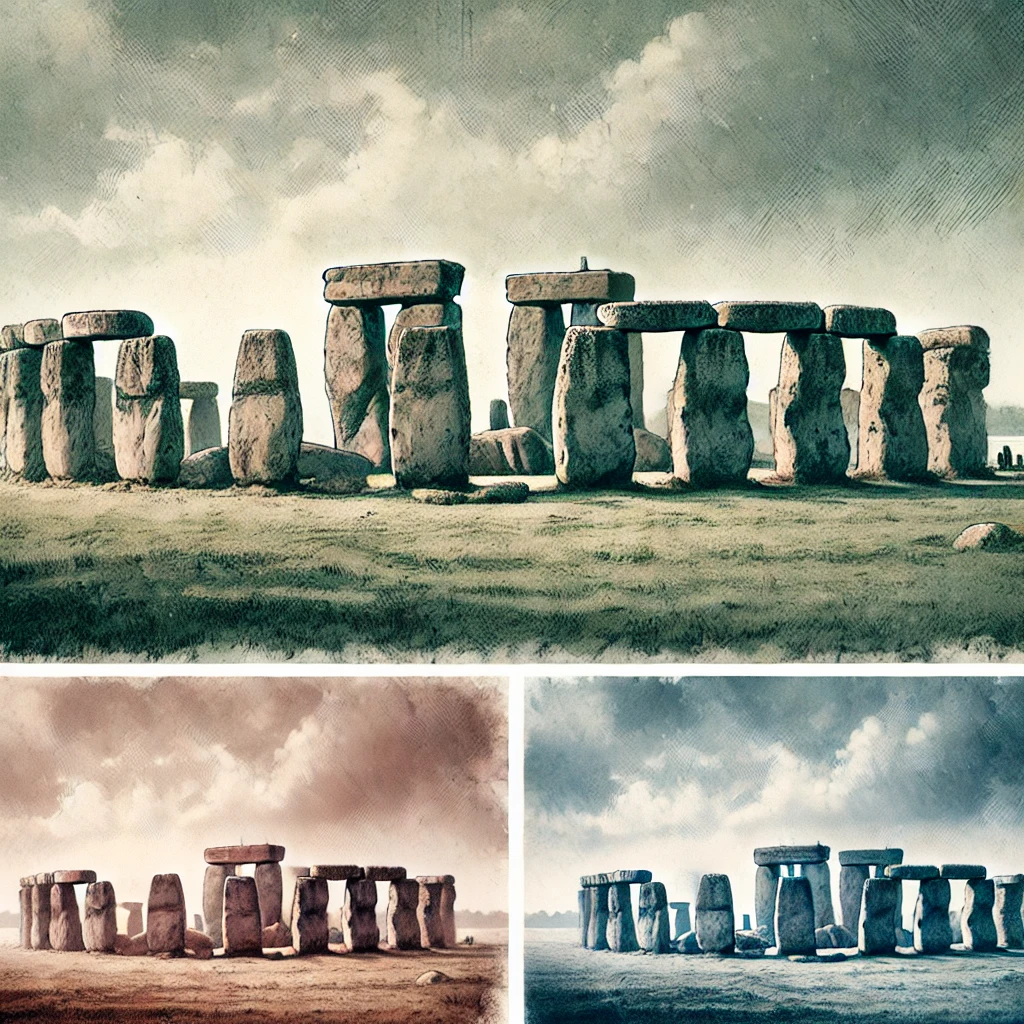
Scientists found out that a big stone at Stonehenge came from the north of Scotland. Before, people thought it was from south-west Wales. This shows that people from different parts of Great Britain worked together to build Stonehenge. It means they were more connected and advanced than we thought.
The discovery surprised many researchers. A team from Curtin University in Australia studied small pieces of the stone. They found special chemicals that showed the stone came from north-east Scotland. This makes us wonder how people moved such big stones so far and why they did it.
The study helps us learn more about the people who built Stonehenge. It shows they had special ways to work together and move big stones. Scientists are now asking more questions about how they did this. The finding adds a new part to the story of Stonehenge and its importance in history.
Original news source: Famous Stonehenge stone came from Scotland not Wales (BBC)
🎧 Listen:
📖 Vocabulary:
Group or Classroom Activities
Warm-up Activities:
– Vocabulary Pictionary
Instructions: Divide the class into two teams. Write down vocabulary words from the article on separate pieces of paper. One student from each team will come to the board, pick a word, and draw it without using any letters or numbers. Their team members have to guess the word. The team with the most correct guesses wins.
– News Summary
Instructions: In pairs, have students summarize the article in their own words. Encourage them to include the main idea and key details. After a few minutes, ask some pairs to share their summaries with the class.
– Headline Creation
Instructions: Ask students to work individually or in pairs to create a catchy headline for the article about Stonehenge. Remind them to include the main idea or the most surprising fact. After a few minutes, have them share their headlines with the class.
– Think-Pair-Share
Instructions: Write the following question on the board: "Why do you think it is important to study ancient monuments like Stonehenge?" Give students a few minutes to think about their answer. Then, have them discuss their thoughts with a partner. Finally, ask some pairs to share their ideas with the whole class.
– Sketch It
Instructions: Provide students with a list of key vocabulary words from the article. In pairs, one student will describe a word without saying it, while the other student tries to guess and draw it. This will reinforce vocabulary retention and encourage communication skills. Rotate roles after a few minutes.
🤔 Comprehension Questions:
Scientists discovered that the big stone at Stonehenge came from north-east Scotland.
Researchers were surprised because they used to think the stone came from south-west Wales, but it actually came from a different place far away.
The team found special chemicals in the stone that showed it came from north-east Scotland.
The discovery tells us that people from different parts of Great Britain worked together to build Stonehenge, showing they were more connected and advanced than we thought.
Scientists are asking more questions because they want to know how the people moved such big stones from far away places to build Stonehenge.
This new discovery adds a new part to the story of Stonehenge by showing where one of the big stones actually came from, changing what we knew before.
The article says Stonehenge is important in history because it shows how people in the past worked together and had special ways to build something like Stonehenge.
🎧✍️ Listen and Fill in the Gaps:
Scientists found out that a big stone at Stonehenge came from the of . Before, people thought it was from south-west . This shows that people from different parts of Great Britain worked together to build Stonehenge. It means they were more and advanced than we thought. The discovery surprised many researchers. A team from Curtin University in Australia studied pieces of the . They found special chemicals that showed the stone from north-east Scotland. This makes us wonder how people moved such big so far and why they did it. The study helps us learn more about the people who Stonehenge. It shows they had special ways to work together and move big stones. Scientists are now asking more questions about how they did this. The adds a new to the story of Stonehenge and its in history.
💬 Discussion Questions:
1. What do you think about people from different parts of Great Britain working together to build Stonehenge?
2. How would you feel if you had to move a big stone like the ones at Stonehenge?
3. Do you like learning about ancient history and how things were built in the past?
4. Why do you think it's important for scientists to study and learn more about Stonehenge?
5. What is a discovery that surprised you recently?
6. How do you think people in ancient times communicated and worked together without phones or computers?
7. Do you think it's amazing that the Stonehenge builders were able to move such big stones long distances?
8. Why do you think Stonehenge is still important today, even though it was built a long time ago?
9. How would you imagine a day in the life of someone who helped build Stonehenge?
10. Do you think teamwork is important when working on big projects like building Stonehenge? Why or why not?
11. What are some ways scientists can learn more about ancient civilizations like the Stonehenge builders?
12. How do you think the people who built Stonehenge celebrated when they finished building it?
Individual Activities
📖💭 Vocabulary Meanings:
Click a dot next to a word, then click the dot next to its meaning to draw a line connecting them.
Words
Meanings
🔡 Multiple Choice Questions:
🕵️ True or False Questions:
📝 Write a Summary:
Write a summary of this news article in two sentences.
Check your writing now with the best free AI for English writing!