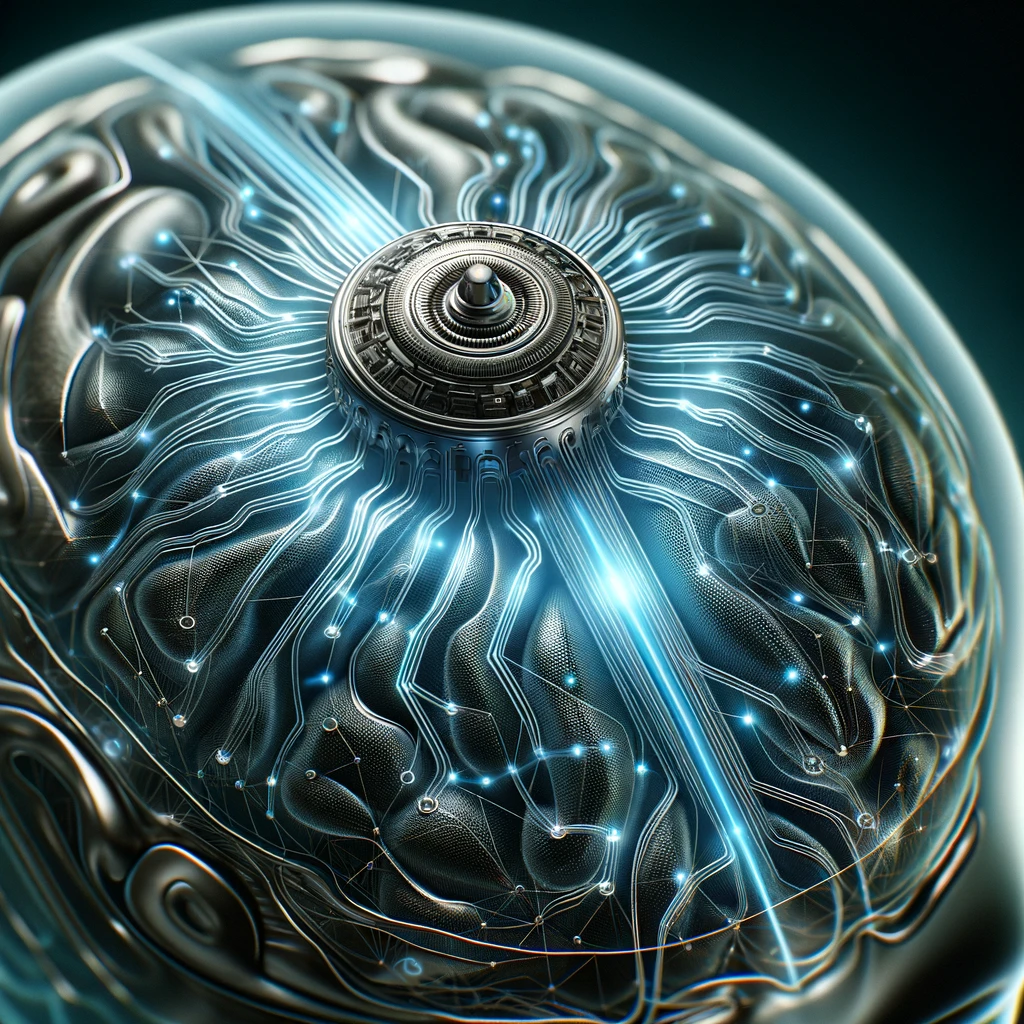
A man named Noland Arbaugh showed people how he can play chess on a computer by just thinking about it. He uses a special device in his brain made by a company owned by Elon Musk. Noland can't move his body from the shoulders down because of an accident, but this device lets him control a computer cursor with his mind. He thinks it's really cool and is excited about what this technology can do.
During a live video, Noland played chess with the help of Bliss Chapman, who works on the brain device. They talked about how this technology can help people who can't move parts of their bodies. Watching Noland play chess by thinking about it shows how amazing this brain device is. It gives people a peek into how these devices might help people with disabilities in the future.
Noland called using the device "wild" because it's so different and new. The video showed that this brain device could really help people who can't move to do things by thinking. It makes people hopeful that in the future, more advancements will come. This live video was a way to show everyone the hard work going into making life better for people with disabilities.
Original news source: Neuralink patient seen playing chess using brain implant (BBC)
🎧 Listen:
📖 Vocabulary:
Group or Classroom Activities
Warm-up Activities:
– Charades
Instructions: Divide the class into small groups. Each group will take turns acting out different actions or activities related to the article, such as "playing chess," "moving a computer cursor," or "thinking." The other groups will try to guess what they are acting out.
– Vocabulary Pictionary
Instructions: Give each student a piece of paper and a pen. Write down different vocabulary words from the article, such as "device," "technology," "disabilities," or "advancements." Each student will take turns drawing a picture to represent one of the words, while the rest of the class tries to guess what word it is.
– Headline Creation
Instructions: Divide the class into pairs. Each pair will create a headline for the article using only a few words. Encourage them to be creative and capture the main idea of the article. After a few minutes, have each pair share their headline with the class and discuss the different ideas that were generated.
– Opinion Poll
Instructions: Write down different statements related to the article on the board, such as "Using a brain device to control a computer cursor is amazing," or "Advancements in technology can greatly benefit people with disabilities." Have the students indicate whether they agree or disagree with each statement by raising their hands. After each statement, encourage a brief discussion to hear different opinions and perspectives.
– Future Predictions
Instructions: Have the students work in pairs or small groups. Ask them to think about how the technology described in the article might evolve in the future. Have them discuss and make predictions about the potential impact and implications of this technology on society, healthcare, or everyday life. After a few minutes, have each group share their predictions with the class.
🤔 Comprehension Questions:
Noland Arbaugh is a man who can play chess on a computer using his mind.
Noland can't move his body from the shoulders down because of an accident.
The brain device allows Noland to control a computer cursor with his mind.
Noland played chess with Bliss Chapman during the live video.
They talked about how the brain device can help people who can't move parts of their bodies.
Noland is excited about the brain device because it allows him to do things by just thinking.
The video shows that the brain device can help people with disabilities by allowing them to control computers with their minds.
🎧✍️ Listen and Fill in the Gaps:
A man named Noland showed people how he can play chess on a by just thinking about it. He uses a special device in his brain made by a company owned by Elon . Noland can't move his body from the shoulders down because of an accident, but this device lets him control a computer cursor with his . He thinks it's really cool and is excited about what this technology can do. During a live video, Noland played chess with the help of Bliss , who works on the brain device. They about how this technology can help people who can't move parts of their bodies. Watching Noland play chess by about it shows how amazing this brain is. It gives people a peek into how these devices might help people with disabilities in the future. Noland called the device "wild" because it's so different and new. The video showed that this brain device could really help who can't move to do things by thinking. It makes people hopeful that in the future, more advancements will come. This live video was a way to show everyone the hard work into life better for people with disabilities.
💬 Discussion Questions:
1. What is a brain device?
2. How would you feel if you could control a computer with your mind?
3. Do you think it's cool that Noland can play chess just by thinking about it? Why or why not?
4. What do you think about the idea of using brain devices to help people who can't move their bodies?
5. How do you think this technology can help people with disabilities in the future?
6. Do you think it's important to develop new technologies to help people with disabilities? Why or why not?
7. What other things do you think brain devices could help people do?
8. How do you think Noland feels about using the brain device?
9. Would you like to try using a brain device to control a computer? Why or why not?
10. What do you think about the live video showing Noland playing chess with the brain device?
11. How do you think this technology can make life better for people with disabilities?
12. Do you think it's good that people are working hard to make life better for people with disabilities? Why or why not?
Individual Activities
📖💭 Vocabulary Meanings:
Click a dot next to a word, then click the dot next to its meaning to draw a line connecting them.
Words
Meanings
🔡 Multiple Choice Questions:
🕵️ True or False Questions:
📝 Write a Summary:
Write a summary of this news article in two sentences.
Check your writing now with the best free AI for English writing!