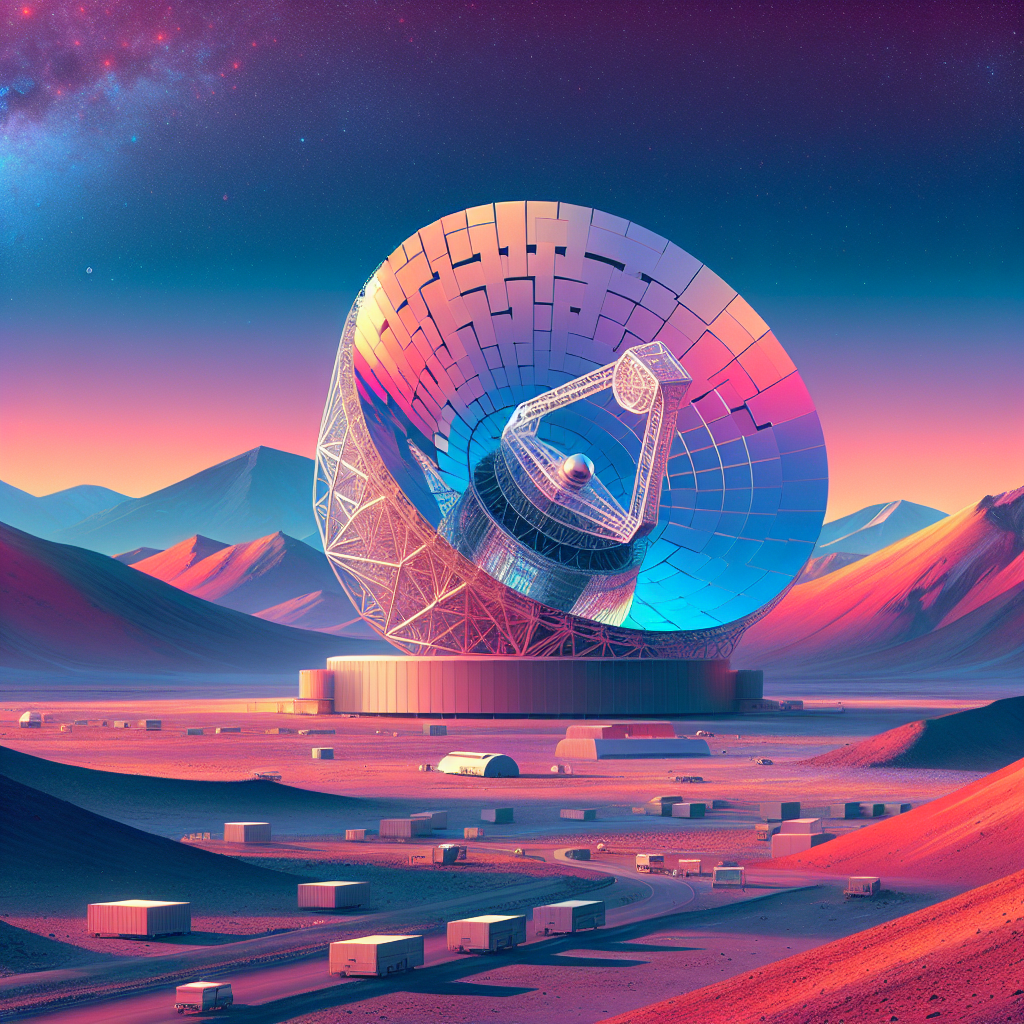
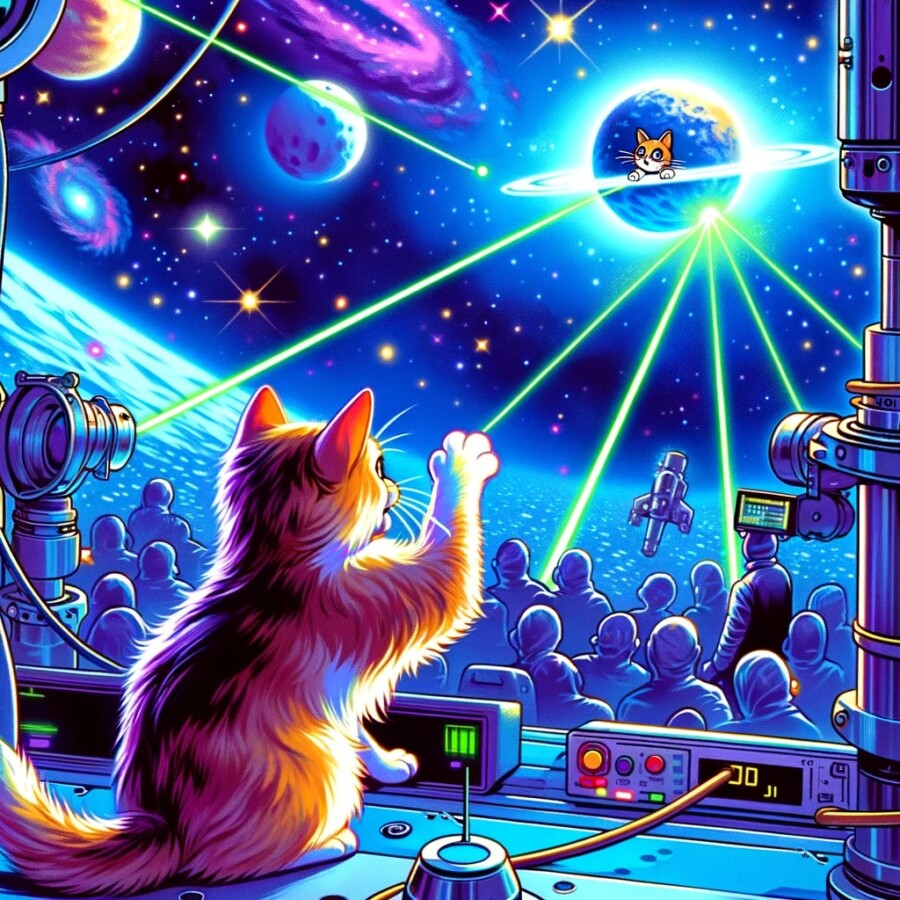
NASA sent a very clear video of a cat named Taters from space to Earth using a special light beam. The video traveled a very, very long way, much farther than the moon is from us. It was sent from a spaceship that went up into space on a big rocket. NASA wants to use this light beam to talk to faraway parts of space better.
The video was caught by a big telescope and then sent to a NASA place in California without waiting. Even though the video came from so far away, it got here faster than videos usually load on the internet at home. NASA is trying to find better ways to send big videos and pictures from space to Earth. They think this new way of sending things with light is a big step for talking to spaceships that go to other planets.
NASA did something really cool by sending a video of a cat with a light beam from space. The cat video went a super long way, 19 million miles, and got to Earth on December 11. A big rocket put the spaceship with the video into space. NASA thinks this new way of sending things with light will help us talk to places in space that are very far away.
Original news source: Nasa beams cat video from deep space with laser (BBC)
🎧 Listen:
📖 Vocabulary:
Group or Classroom Activities
Warm-up Activities:
– Charades
Instructions: Divide the class into two teams. Write down key words from the article on small pieces of paper and put them in a hat. One student from each team will come up to the front of the class and choose a word from the hat. They must then act out the word without speaking, and their team members have to guess what word it is. The team that guesses correctly gets a point.
– News Summary
Instructions: In pairs, students will take turns summarizing the article to their partner. They should include the main points and important details. After each partner has summarized, they can compare their summaries and discuss any differences or missing information.
– Opinion Poll
Instructions: Write three statements related to the article on the board. For example: "Sending videos from space is a waste of resources," "NASA's new light beam technology is groundbreaking," "Cats are the best animals to send videos of." Have students choose one statement and stand on a spectrum line in the classroom, with one end representing "strongly agree" and the other end representing "strongly disagree." Students can discuss their opinions with each other and try to convince others to change their position.
– Vocabulary Pictionary
Instructions: Write down key words from the article on small pieces of paper and put them in a hat. Divide the class into small groups. One student from each group will come up to the front of the class and choose a word from the hat. They must then draw a picture on the board to represent the word, while their group members try to guess what word it is. The group that guesses correctly gets a point.
– Pros and Cons
Instructions: Divide the class into small groups. Assign each group a topic related to the article, such as "Sending videos from space" or "Using light beam technology." Have the groups brainstorm and discuss the pros and cons of their assigned topic. After a few minutes, each group can present their findings to the class and engage in a class discussion about the different perspectives.
🤔 Comprehension Questions:
NASA sent a video of a cat named Taters from space to Earth using a special light beam.
The video traveled a very, very long way, much farther than the moon is from us.
NASA sent the video using a special light beam that was caught by a big telescope and then sent to a NASA place in California.
Yes, the video arrived faster than videos usually load on the internet at home.
NASA is trying to find better ways to send big videos and pictures from space to Earth.
The cat video traveled 19 million miles.
NASA put the spaceship with the video into space using a big rocket.
🎧✍️ Listen and Fill in the Gaps:
NASA a very clear video of a cat named from space to Earth using a special beam. The video traveled a very, very long way, much farther than the moon is from us. It was sent from a spaceship that went up into space on a big rocket. NASA wants to use this light beam to talk to faraway parts of space better. The video was caught by a big telescope and then sent to a place in without waiting. Even though the video came from so far away, it got here faster than videos usually load on the internet at . NASA is trying to find better ways to send big s and pictures from space to Earth. They this new way of sending things with light is a big step for talking to that go to other planets. NASA did something really cool by sending a video of a cat with a light beam from space. The cat video went a super way, 19 million miles, and got to Earth on 11. A big rocket put the with the video into space. NASA thinks this new way of sending things with light will help us talk to places in space that are very far away.
💬 Discussion Questions:
1. What do you think about NASA sending a video of a cat from space to Earth?
2. How would you feel if you received a video message from space?
3. Do you like watching videos of cats? Why or why not?
4. What do you think is the coolest thing about sending videos from space?
5. How do you think the cat in the video felt being sent from space to Earth?
6. Do you think it's important for NASA to find better ways to send videos and pictures from space? Why or why not?
7. What do you think is the benefit of using light beams to send messages to spaceships in faraway places?
8. How do you think the people at NASA felt when the cat video arrived on Earth?
9. Have you ever seen a rocket launch? If yes, how did it make you feel?
10. What do you think is the most interesting thing about space?
11. If you could send a video message from space, what would it be about?
12. Do you think sending videos from space is a big step for exploring other planets? Why or why not?
Individual Activities
📖💭 Vocabulary Meanings:
Click a dot next to a word, then click the dot next to its meaning to draw a line connecting them.
Words
Meanings
🔡 Multiple Choice Questions:
🕵️ True or False Questions:
📝 Write a Summary:
Write a summary of this news article in two sentences.
Check your writing now with the best free AI for English writing!