

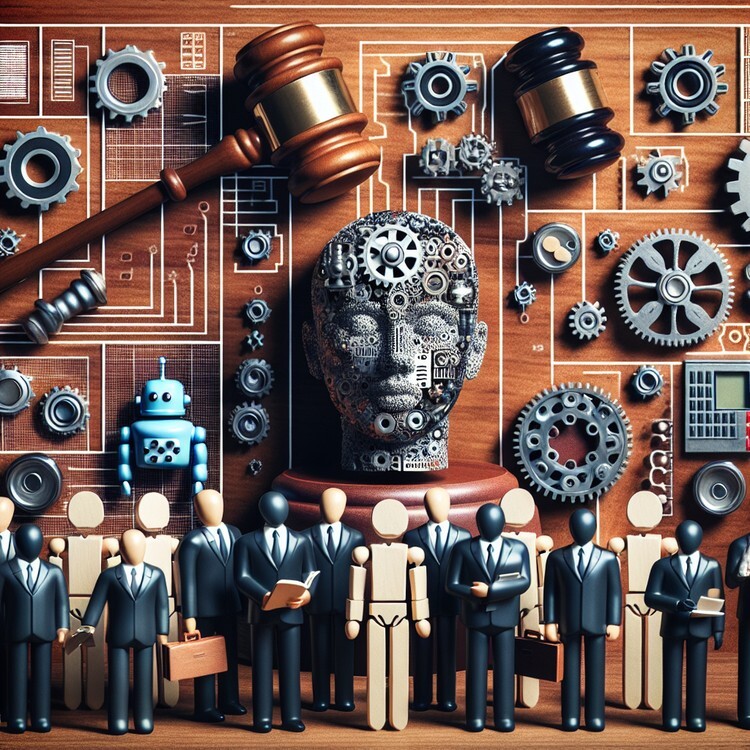
The countries in Europe made a plan about how to use smart computer programs safely. They talked for a long time and decided on rules for programs that can chat like people or recognize faces. The rules say how these smart programs can be used and when the police can use them. People in Europe will vote on these rules soon, but they won't start until a few years later.
A big boss in Europe said this plan is very important. He thinks it will help people in Europe make even smarter computer programs and be the best in the world. Another boss said these rules will make sure smart programs are safe and don't hurt people's rights. Europe is making these rules because other places in the world are doing the same.
The new rules will let people say if they think something is wrong with the smart programs and there can be big money penalties if the rules are not followed. They explain that smart programs are like helpers that can make things, guess things, or decide things because people tell them what to do. The rules will include programs that can write stories or make pictures by learning from lots of information. Europe wants to make sure that when people make new smart programs, they do it in a good and fair way.
Original news source: AI: EU agrees landmark deal on regulation of artificial intelligence (BBC)
🎧 Listen:
📖 Vocabulary:
Group or Classroom Activities
Warm-up Activities:
– News Summary
Instructions: Divide the students into pairs. Give each pair a copy of the article. One student will be the "news reporter" and the other will be the "news summarizer". The news reporter will read the article aloud to the news summarizer, who will then summarize the main points of the article in their own words. After a few minutes, have the pairs switch roles and repeat the activity.
– Opinion Poll
Instructions: Divide the students into small groups. Give each group a list of questions related to the article, such as "Do you think it is important to have rules for smart computer programs?" or "Do you think smart programs will make people's lives easier or more difficult?" Have the groups discuss the questions and record their opinions. Then, have each group share their opinions with the class.
– Vocabulary Pictionary
Instructions: Write a list of vocabulary words from the article on the board, such as "smart programs", "rules", "penalties", etc. Divide the students into teams. Give each team a whiteboard or a large piece of paper. One student from each team will come to the front of the class and you will give them a vocabulary word. They must draw a picture to represent the word and their team must guess what word it is. The team with the most correct guesses wins.
– Sketch It
Instructions: Divide the students into pairs. Give each pair a copy of the article. One student will be the "sketcher" and the other will be the "describer". The describer will read a sentence from the article to the sketcher, who will then try to draw a picture based on the description. After each sentence, have the pairs switch roles and continue until they have gone through the entire article.
– Future Predictions
Instructions: Divide the students into small groups. Give each group a list of questions about the future of smart computer programs, such as "What do you think smart programs will be able to do in the next 10 years?" or "How do you think smart programs will change our daily lives?" Have the groups discuss the questions and make predictions. Then, have each group share their predictions with the class.
🤔 Comprehension Questions:
🎧✍️ Listen and Fill in the Gaps:
The countries in Europe a plan about how to use smart computer programs safely. They talked for a long time and decided on rules for programs that can like people or recognize faces. The rules say how these smart programs can be and when the police can use them. People in Europe will vote on these rules soon, but they won't start until a few years later. A big boss in Europe said this plan is very important. He it will help people in Europe make even smarter programs and be the best in the . Another boss said these rules will make sure smart programs are safe and don't hurt people's rights. Europe is making these rules because other in the world are doing the same. The new rules will let people say if they think something is wrong with the and there can be big money penalties if the rules are not followed. They explain that smart programs are like helpers that can make things, guess things, or decide things because them what to do. The rules will include programs that can write stories or make pictures by learning from lots of information. Europe to make sure that when people make new smart programs, they do it in a good and fair way.
💬 Discussion Questions:
1. What is a smart computer program?
2. How would you feel if a computer program could chat like a person?
3. Do you think it's important to have rules for smart computer programs? Why or why not?
4. What do you think about the idea of people voting on these rules?
5. How would you feel if a smart program made a mistake and hurt someone's rights?
6. Do you like the idea of smart programs being able to write stories or make pictures? Why or why not?
7. What do you think about the idea of big money penalties if the rules are not followed?
8. How do you think smart programs can be helpful in our daily lives?
9. What kind of smart program would you like to create if you could?
10. Do you think it's fair for Europe to make rules for smart programs? Why or why not?
11. How would you feel if you had the power to decide how smart programs are made?
12. What do you think about the idea of smart programs learning from lots of information?
Individual Activities
📖💭 Vocabulary Meanings:
Click a dot next to a word, then click the dot next to its meaning to draw a line connecting them.
Words
Meanings
🔡 Multiple Choice Questions:
🕵️ True or False Questions:
📝 Write a Summary:
Write a summary of this news article in two sentences.
Check your writing now with the best free AI for English writing!