
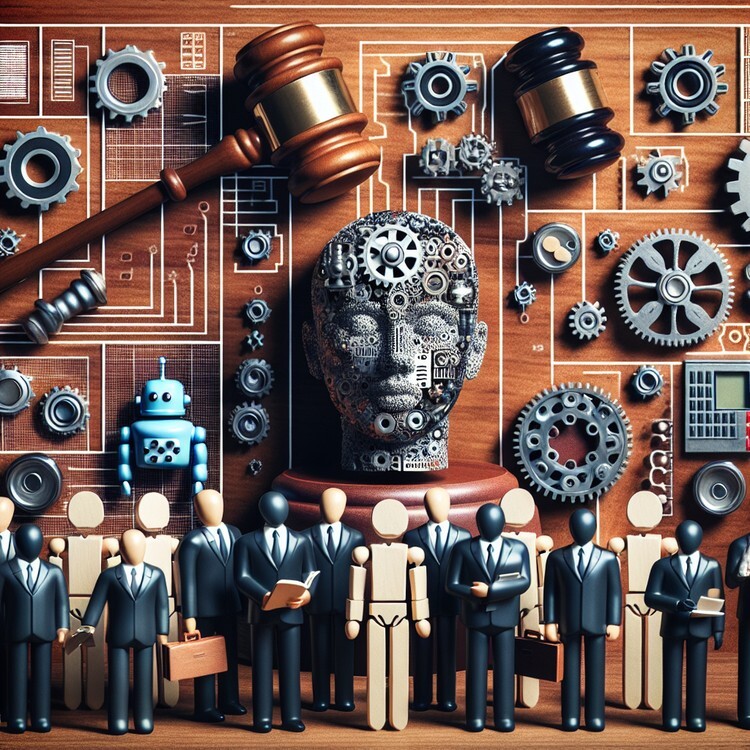
The European Union (EU) has made a big decision about artificial intelligence (AI). They have created a set of rules that will be the first in the world to control how AI is used. These rules cover things like ChatGPT and facial recognition. The European Parliament will vote on the rules next year, but they won't become law until at least 2025. The United States, United Kingdom, and China are also working on their own guidelines for AI.
The new rules have some important protections for people in the EU. They also limit how law enforcement can use AI. If someone has a problem with how AI is being used, they can complain about it. There may be fines for breaking the rules. The EU Commissioner, Thierry Breton, said that these plans are a big deal and give clear rules for using AI. He also said that the rules will help EU start-ups and researchers be leaders in the AI world. The President of the European Commission, Ursula von der Leyen, said that the AI Act will support the development of safe and trustworthy technology.
The European Parliament says that AI is software that can make things happen based on what people want. For example, ChatGPT and DALL-E are types of AI that can learn from lots of information to create new things. ChatGPT can have text conversations, and DALL-E can make pictures based on simple instructions.
In summary, the EU has made a big decision about AI and created the first set of rules in the world. These rules aim to protect people and limit how AI is used by the police. The European Parliament will vote on the rules, and they could become law in 2025. This decision is a big deal and will help EU start-ups and researchers be leaders in the AI field.
Original news source: AI: EU agrees landmark deal on regulation of artificial intelligence (BBC)
🎧 Listen:
📖 Vocabulary:
Group or Classroom Activities
Warm-up Activities:
– News Summary
Instructions:
1. Divide the class into pairs or small groups.
2. Assign each group a specific section of the article to summarize.
3. Give the groups a few minutes to read and discuss their section.
4. Instruct each group to write a concise summary of their section.
5. Have each group share their summary with the class.
– Opinion Poll
Instructions:
1. Divide the class into pairs or small groups.
2. Instruct each group to discuss their opinions about the EU's decision on AI.
3. Provide a list of discussion questions, such as: Do you agree with the new rules? How do you think AI should be regulated? What potential benefits and risks do you see with AI?
4. After the discussion, have each group choose a spokesperson to present their opinions to the class.
5. Conduct a class-wide opinion poll by asking students to vote on specific questions related to the topic.
– Vocabulary Pictionary
Instructions:
1. Write a list of key vocabulary words from the article on the board or prepare flashcards with the words.
2. Divide the class into small groups and give each group a set of vocabulary words.
3. Instruct each group to take turns selecting a word and drawing a quick sketch to represent it.
4. The other group members must guess the word based on the drawing.
5. Encourage students to use English to describe the word or discuss its meaning.
– Speed Summarizing
Instructions:
1. Divide the class into pairs.
2. Give each pair a timer (e.g., one minute) and a section of the article.
3. Instruct one student in each pair to summarize the section as quickly as possible while the other student listens.
4. After the time is up, have the listening student attempt to summarize what they heard.
5. Repeat the activity with different pairs and sections of the article.
– Future Predictions
Instructions:
1. Instruct each student to imagine they are a futurist and predict how AI will impact society in the next 10 years.
2. Give students time to brainstorm their ideas and write them down.
3. Divide the class into small groups and have students share their predictions.
4. Encourage students to discuss and debate the likelihood and potential outcomes of each prediction.
5. As a class, discuss the various predictions and their implications for the future.
🤔 Comprehension Questions:
🎧✍️ Listen and Fill in the Gaps:
The European Union (EU) has made a big decision about intelligence (AI). They have a set of rules that will be the first in the world to control how AI is used. These rules cover things like ChatGPT and facial recognition. The European Parliament will vote on the rules next year, but they won't become law until at least 2025. The , United Kingdom, and China are also working on their own guidelines for AI. The new rules have some important protections for people in the EU. They also how law enforcement can use AI. If someone has a with how AI is being used, they can about it. There may be fines for breaking the rules. The EU Commissioner, Thierry Breton, said that these plans are a big deal and give rules for using AI. He also said that the rules will help EU start-ups and researchers be leaders in the AI world. The President of the Commission, Ursula von der Leyen, said that the AI Act will support the development of safe and trustworthy technology. The European Parliament says that AI is software that can make things happen based on what people want. For , and DALL-E are of AI that can learn from lots of information to create new things. ChatGPT can have text conversations, and DALL-E can make based on simple instructions. In , the EU has made a big decision about AI and created the first set of rules in the world. These rules aim to protect people and limit how AI is used by the police. The European will vote on the rules, and they could law in 2025. This decision is a big deal and will help EU start-ups and researchers be leaders in the AI field.
💬 Discussion Questions:
1. What is artificial intelligence (AI)?
2. How do you think AI can be used in our daily lives?
3. Do you think it's important to have rules and regulations for AI? Why or why not?
4. How would you feel if AI was used by law enforcement to monitor people's activities?
5. Do you think the EU's decision to create rules for AI will have a positive impact on start-ups and researchers? Why or why not?
6. What are some potential benefits of AI in society?
7. Are there any concerns or risks associated with the use of AI? Why or why not?
8. How do you think AI can be used to improve our safety and security?
9. Do you think it's fair for people to be able to file complaints about how AI is being used? Why or why not?
10. What role do you think AI will play in the future?
11. How do you think AI can be used to enhance education?
12. Do you like the idea of AI being able to create new things, like ChatGPT and DALL-E? Why or why not?
13. How do you think AI can be used to address global challenges, such as climate change or healthcare?
14. Do you think it's important for countries to have their own guidelines for AI? Why or why not?
15. What are some potential ethical considerations when it comes to the use of AI?
Individual Activities
📖💭 Vocabulary Meanings:
Click a dot next to a word, then click the dot next to its meaning to draw a line connecting them.
Words
Meanings
🔡 Multiple Choice Questions:
🕵️ True or False Questions:
📝 Write a Summary:
Write a summary of this news article in two sentences.
Check your writing now with the best free AI for English writing!