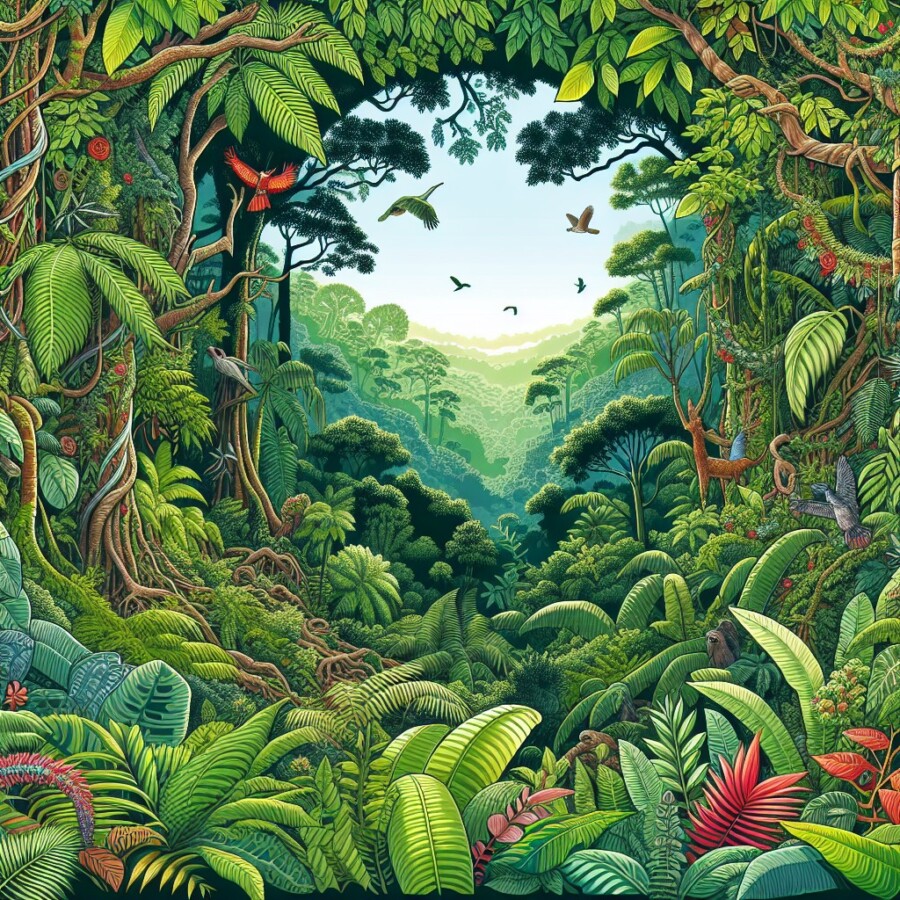
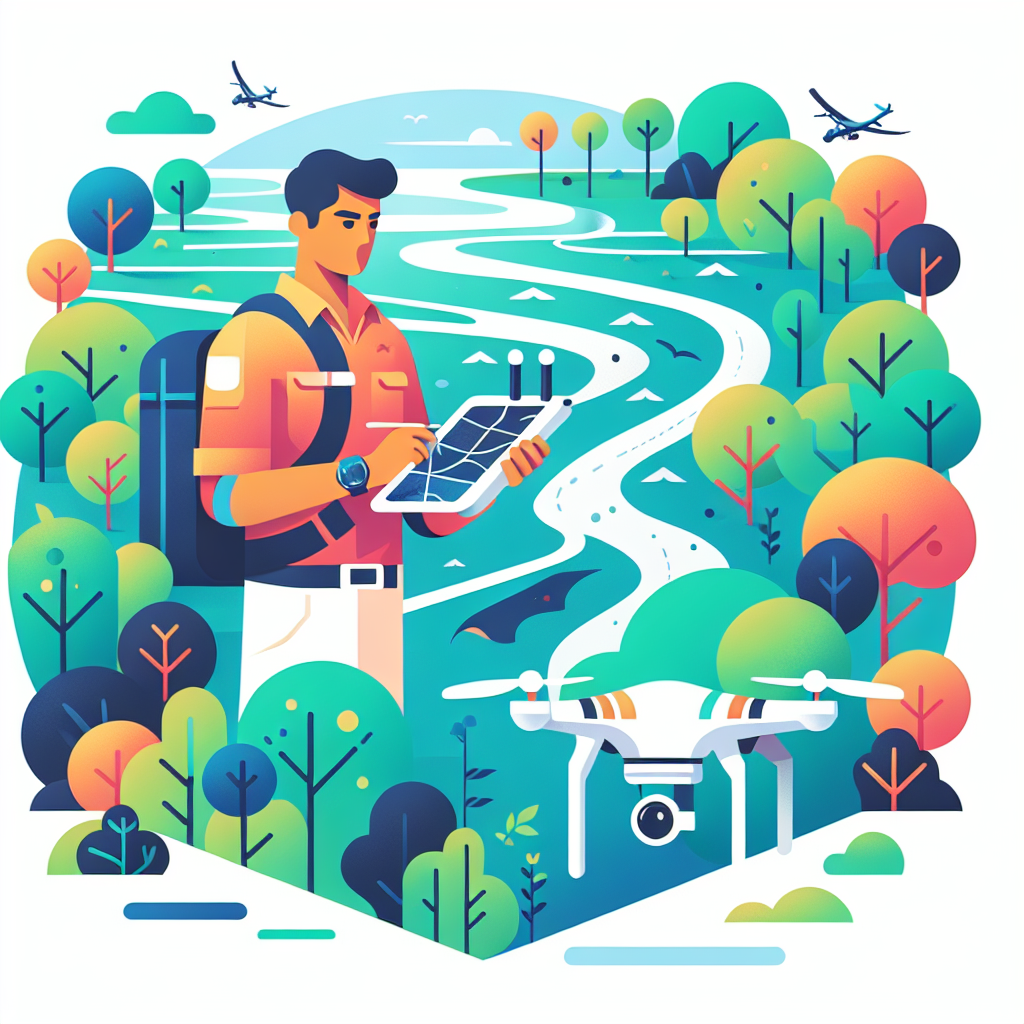
Vishal Jaiswal loves drones and uses them for his job. He maps the Sundarbans, a big forest in India and Bangladesh. This forest is hard to map because it is very thick and has lots of wild animals. Vishal and his team mapped a large area in just three days.
The Sundarbans are not in danger, but they face problems. Some areas are losing trees because of farming and building. The forest is home to dangerous animals like crocodiles and tigers. Scientists use drones to study the forest safely.
Besides drones, scientists use special tools to watch the forest. These tools help them see changes in the land. This helps protect the forest and the people who depend on it, like fishermen. Saving the forest is important for everyone.
Original news source: Tigers and crocs make mangrove preservation tough work (BBC)
🎧 Listen:
📖 Vocabulary:
Group or Classroom Activities
Warm-up Activities:
– Charades
Instructions: Write down some key words from the article on separate cards (e.g., drones, Sundarbans, forest, animals, scientists). Have students pick a card and act out the word without speaking while their classmates guess what it is.
– News Summary
Instructions: Divide the class into pairs. Have one student summarize the article about Vishal Jaiswal and the Sundarbans to their partner in their own words. Encourage the listener to ask questions for clarification.
– Vocabulary Pictionary
Instructions: Write down some vocabulary words from the article on the board (e.g., map, thick, dangerous, tools, protect). Have students take turns coming to the board to draw a quick sketch to help their classmates guess the word.
– Opinion Poll
Instructions: Divide the class into small groups and have them discuss their opinions on the importance of using drones to map and study the Sundarbans. After the discussion, each group can present their main points to the class.
– Keyword Hangman
Instructions: Choose keywords from the article (e.g., drones, forest, scientists) and play a round of hangman with the class. Have students guess letters to uncover the keyword related to the article.
🤔 Comprehension Questions:
Vishal Jaiswal loves drones and uses them for his job.
It is difficult to map the Sundarbans forest because it is very thick and has lots of wild animals.
Some problems facing the Sundarbans forest include losing trees due to farming and building.
Scientists use drones to study the Sundarbans forest safely because it is home to dangerous animals like crocodiles and tigers.
Besides drones, scientists use special tools to watch the forest that help them see changes in the land.
According to the article, people like fishermen depend on the Sundarbans forest.
Saving the Sundarbans forest is important for everyone because it helps protect the forest and the people who depend on it.
🎧✍️ Listen and Fill in the Gaps:
Vishal Jaiswal drones and uses them for his job. He maps the Sundarbans, a big forest in and Bangladesh. This forest is hard to map because it is very and has lots of wild animals. and his team mapped a area in just three days. The Sundarbans are not in danger, but they face . Some areas are losing trees because of farming and building. The is home to dangerous animals like crocodiles and tigers. Scientists use drones to study the forest safely. Besides drones, use tools to watch the forest. These tools them see changes in the land. This helps the forest and the people who depend on it, like fishermen. Saving the forest is for everyone.
💬 Discussion Questions:
1. What do you think about drones?
2. How would you feel if you had to map a big, thick forest like the Sundarbans?
3. Do you like forests? Why or why not?
4. What is a scientist?
5. Do you think it's important to protect forests? Why?
6. How do you think drones can help scientists study dangerous animals?
7. What tools do you think scientists use to watch the forest?
8. How important do you think it is to save forests for fishermen and other people?
9. What animals do you know that live in forests?
10. Have you ever seen a drone before?
11. Why do you think some areas of the Sundarbans are losing trees?
12. How do you think drones can help protect forests?
Individual Activities
📖💭 Vocabulary Meanings:
Click a dot next to a word, then click the dot next to its meaning to draw a line connecting them.
Words
Meanings
🔡 Multiple Choice Questions:
🕵️ True or False Questions:
📝 Write a Summary:
Write a summary of this news article in two sentences.
Check your writing now with the best free AI for English writing!