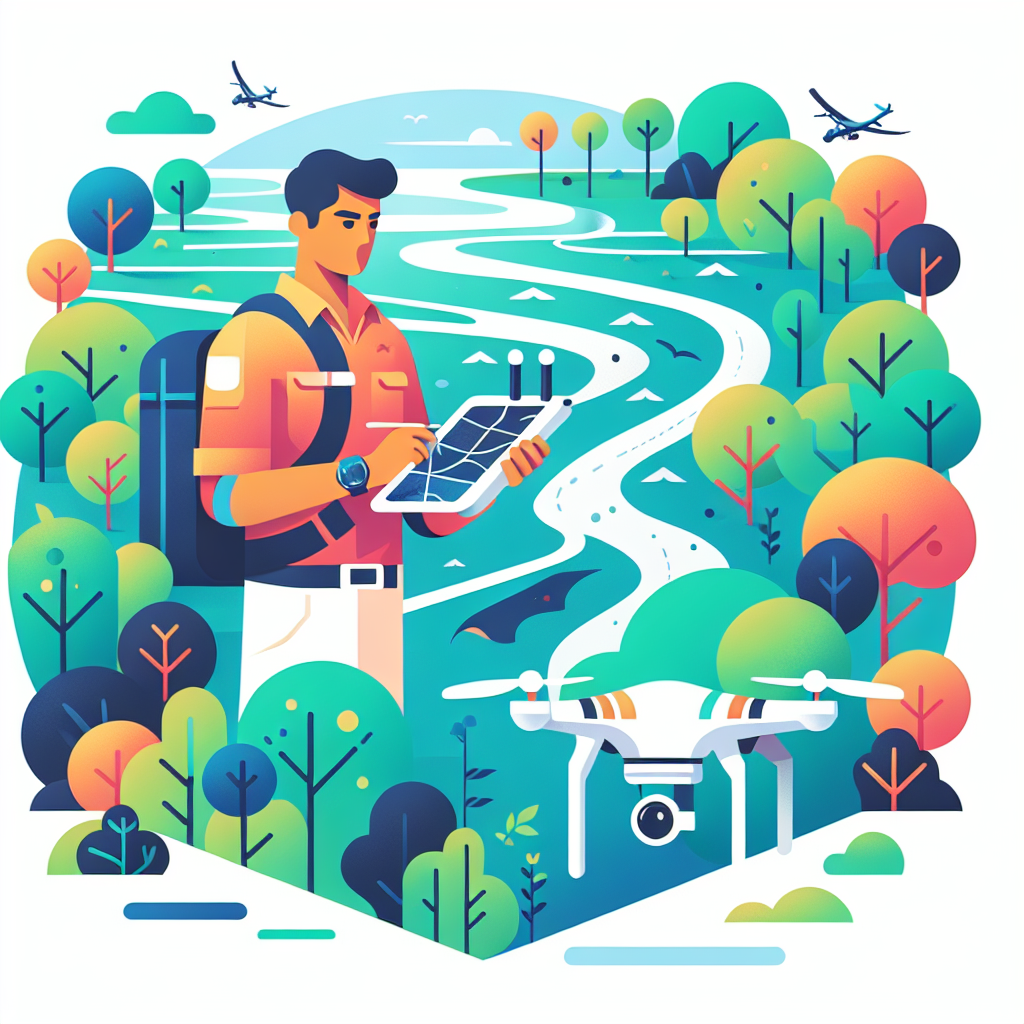
Preserving mangrove forests, like the Sundarbans, is tough because of their thick vegetation and the presence of wild animals. Vishal Jaiswal, a drone pilot, used drones to map part of the Sundarbans to help with conservation. Mangroves around the world are in danger due to deforestation, pollution, and climate change, with more than half of them at risk of disappearing by 2050.
Even though some Indian mangroves, such as the Sundarbans, are not considered endangered, there are signs of stress from human actions and natural events. Dr. Sahadev Sharma points out problems like deforestation and erosion in the Sundarbans, made worse by activities like shrimp farming and development. The rough terrain and the presence of saltwater crocodiles and Bengal tigers make it hard for scientists to do field research.
To keep an eye on the health of mangrove forests, scientists are using technology like drones and rSETs (rod surface elevation tables). These tools help measure things like mangrove height compared to sea level, which is crucial for understanding how rising sea levels affect the ecosystem. Even though these methods cost more, they are more accurate and efficient than traditional ways.
People living in coastal areas who depend on mangroves are realizing how important it is to protect these ecosystems. Fishermen like Laxman Anna in Andhra Pradesh have noticed better catches after working to restore mangroves. By planting young trees and teaming up with NGOs and forest departments, communities are seeing positive changes in their fishing jobs. Preserving mangrove forests is crucial for biodiversity and the lives of coastal communities. By using technology and working together, we can hope to protect these important ecosystems for the future.
Original news source: Tigers and crocs make mangrove preservation tough work (BBC)
🎧 Listen:
📖 Vocabulary:
Group or Classroom Activities
Warm-up Activities:
– News Summary
Instructions: Divide the students into small groups and ask them to summarize the key points of the article about preserving mangrove forests. Each group will have to present a short news summary to the class, focusing on the main ideas and important details.
– Opinion Poll
Instructions: Have the students walk around the classroom and ask their classmates about their opinions on the importance of preserving mangrove forests. Encourage them to ask open-ended questions and engage in discussions to gather different viewpoints. Afterward, they can share some of the opinions they collected with the class.
– Vocabulary Pictionary
Instructions: Write down key vocabulary words from the article about mangrove forests on separate pieces of paper. Divide the class into two teams and have a student from each team come to the board. Show them a vocabulary word, and they have to draw it while their team tries to guess the word. This activity helps reinforce the meaning of the words in a fun way.
– Future Predictions
Instructions: Ask the students to work in pairs and discuss what they think the future holds for mangrove forests based on the information provided in the article. They should make predictions about the challenges these ecosystems might face and possible solutions to protect them. Afterward, some pairs can share their predictions with the class.
– Headline Creation
Instructions: Divide the class into small groups and ask each group to come up with a catchy headline related to the article about preserving mangrove forests. Encourage them to be creative and use the main ideas from the text. Afterward, each group can share their headline with the class and explain why they chose it.
🤔 Comprehension Questions:
Preserving mangrove forests like the Sundarbans is tough because of their thick vegetation, wild animals like saltwater crocodiles and Bengal tigers, and human activities like deforestation and erosion.
Vishal Jaiswal, a drone pilot, used drones to map part of the Sundarbans, helping with conservation efforts by providing valuable data for scientists.
Some threats to mangrove forests around the world include deforestation, pollution, and climate change, with more than half of them at risk of disappearing by 2050.
Activities like shrimp farming and development are harmful to the Sundarbans because they contribute to deforestation, erosion, and stress on the ecosystem, impacting the health of the mangrove forests.
Drones and rSETs help scientists monitor the health of mangrove forests by measuring things like mangrove height compared to sea level, providing crucial data on how rising sea levels affect the ecosystem.
Fishermen like Laxman Anna in Andhra Pradesh have noticed better catches after working to restore mangroves, showing the positive impact of mangrove conservation on their fishing jobs.
Protecting mangrove forests is important for biodiversity and the lives of coastal communities because these ecosystems support a wide variety of plant and animal species, and provide resources and protection for people living in coastal areas.
Technology like drones and collaboration between communities, NGOs, and forest departments can help in the preservation of mangrove ecosystems by providing accurate data, raising awareness, and working together towards conservation goals.
🎧✍️ Listen and Fill in the Gaps:
Preserving mangrove , like the , is tough because of their thick and the presence of wild animals. Vishal Jaiswal, a drone pilot, used drones to map part of the Sundarbans to help with conservation. Mangroves around the world are in danger due to deforestation, pollution, and change, with more than half of them at risk of disappearing by 2050. Even though some Indian mangroves, such as the Sundarbans, are not considered endangered, there are signs of stress from human actions and events. Dr. Sahadev Sharma points out problems like deforestation and in the Sundarbans, made worse by activities like shrimp farming and development. The terrain and the of saltwater crocodiles and Bengal tigers make it hard for scientists to do field research. To keep an eye on the health of mangrove forests, scientists are using technology like drones and rSETs (rod elevation tables). These tools help measure things like mangrove compared to sea level, which is crucial for how rising sea levels affect the ecosystem. Even though these methods cost more, they are more accurate and efficient than traditional ways. People in coastal areas who depend on mangroves are realizing how important it is to protect these ecosystems. Fishermen like Anna in Andhra Pradesh have noticed better after to restore mangroves. By planting young trees and teaming up with NGOs and forest departments, communities are seeing positive changes in their fishing jobs. Preserving mangrove forests is for biodiversity and the lives of coastal communities. By using technology and working together, we can hope to protect these important ecosystems for the future.
💬 Discussion Questions:
1. What are mangrove forests and why are they important?
2. How would you feel if you lived near a mangrove forest and saw it being destroyed?
3. Do you think using drones to map mangrove forests is a good idea? Why or why not?
4. Why do you think mangroves are at risk of disappearing by 2050?
5. What is deforestation and how does it affect mangrove forests?
6. Do you like the idea of using technology like drones to protect the environment? Why or why not?
7. How do you think rising sea levels affect mangrove ecosystems?
8. Why do you think it's important for coastal communities to protect mangrove forests?
9. What do you think fishermen can do to help restore mangrove forests?
10. How important do you think biodiversity is for the environment?
11. Do you think it's worth the extra cost to use technology to protect mangroves? Why or why not?
12. Why do you think some people prioritize activities like shrimp farming over preserving mangrove forests?
13. How do you think planting young trees can help restore mangrove forests?
14. What can individuals do to help protect mangrove ecosystems in their own communities?
15. Why do you think it's important for different groups, like NGOs and forest departments, to work together to preserve mangrove forests?
Individual Activities
📖💭 Vocabulary Meanings:
Click a dot next to a word, then click the dot next to its meaning to draw a line connecting them.
Words
Meanings
🔡 Multiple Choice Questions:
🕵️ True or False Questions:
📝 Write a Summary:
Write a summary of this news article in two sentences.
Check your writing now with the best free AI for English writing!