


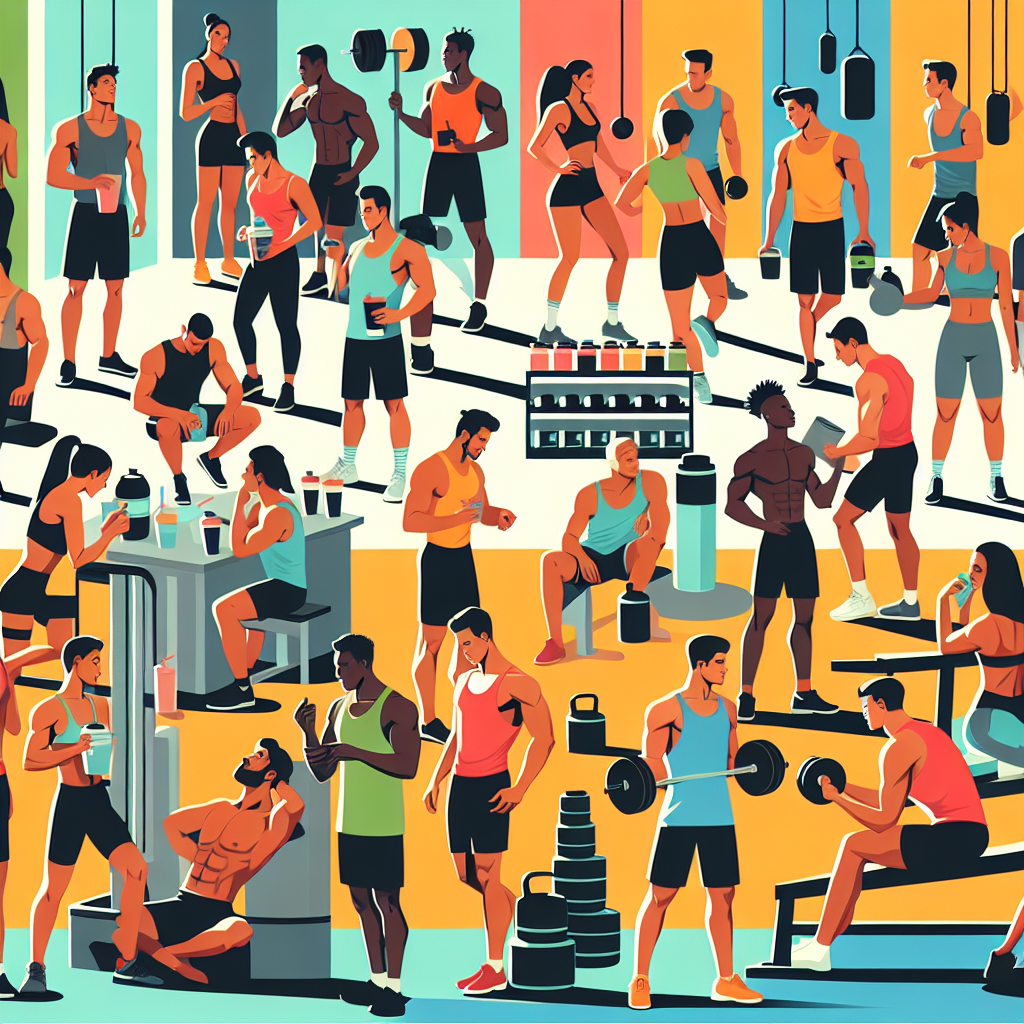
A new study found that young people using protein shakes and other supplements might develop a problem called muscle dysmorphia. This problem makes people worry too much about not having enough muscles. Dr. Kyle Ganson from the University of Toronto led the study. They looked at 2,731 people aged 16 to 30 and saw that using more supplements made the problem worse.
Muscle dysmorphia makes people think their bodies are not muscular enough, even if they are. This can make them feel very upset and avoid social activities. Dr. Gail Saltz said that even if they get the muscles they want, they still feel unhappy. The study shows that people need to know about the risks of using these supplements because they might not be as safe as they think.
The study also worries about how easy it is to buy these supplements, which might not be safe. Dr. Jason Nagata mentioned that while not many young men use steroids, many use protein powders. These supplements might lead to using steroids and risky habits like "dry scooping." To help people with muscle dysmorphia, we need to change how society views body image and use therapy to help them think differently about their bodies.
Original news source: Muscle-building supplements may put teens at risk for a body image disorder, study finds (CNN)
🎧 Listen:
📖 Vocabulary:
Group or Classroom Activities
Warm-up Activities:
– CHARADES
Instructions: Students will take turns acting out words or phrases related to the article, such as "protein shake," "muscle," "exercise," or "body image." The rest of the class will guess what they are acting out. This activity helps with vocabulary retention and encourages speaking.
– OPINION POLL
Instructions: Create a list of statements related to body image and supplements, such as "Using protein shakes is good for health" or "People should not worry about their muscles." Students will walk around the room and ask their classmates if they agree or disagree with each statement, tallying results. This will promote speaking and listening skills.
– MIND MAP
Instructions: On a large sheet of paper, students will create a mind map about muscle dysmorphia and supplements. They will include terms from the article, such as "risk," "therapy," "body image," and "social activities." This visual activity helps with organizing thoughts and vocabulary.
– VOCABULARY PICTIONARY
Instructions: Divide the class into small groups. One student from each group will draw terms related to the article (like "muscle," "supplement," or "therapy") on the board while their teammates guess the word. This activity enhances vocabulary understanding and teamwork.
– TWO TRUTHS AND A LIE
Instructions: Each student will come up with two true statements and one false statement about muscle dysmorphia or supplements based on the article. They will share their statements with the class, and others will guess which one is the lie. This encourages critical thinking and speaking practice.
🤔 Comprehension Questions:
Muscle dysmorphia is a problem where people worry too much about not having enough muscles, even if they are muscular.
Dr. Kyle Ganson from the University of Toronto led the study.
The study looked at 2,731 people aged 16 to 30.
People with muscle dysmorphia feel upset about their bodies and may avoid social activities because they think they are not muscular enough.
Some young people use protein shakes and other supplements to try to get bigger muscles.
It is important to know about the risks of supplements because they might not be safe, and using them can lead to other problems.
Changing how society views body image and using therapy can help people with muscle dysmorphia feel better about their bodies.
🎧✍️ Listen and Fill in the Gaps:
A new found that young using protein shakes and other might develop a problem called muscle dysmorphia. This problem makes people worry too much about not having enough muscles. Dr. Kyle Ganson from the University of Toronto led the study. They looked at 2,731 people aged 16 to 30 and saw that using supplements made the problem worse. Muscle dysmorphia people think their bodies are not muscular enough, even if they are. This can make them feel very upset and avoid social activities. Dr. Gail Saltz that even if they get the muscles they want, they still unhappy. The study shows that people need to know about the risks of using these supplements because they might not be as safe as they think. The study also worries about how it is to buy these supplements, which might not be safe. Dr. Jason mentioned that while not many young men use steroids, many use protein powders. These supplements might lead to using steroids and risky habits like "dry scooping." To people with dysmorphia, we need to change how society views body image and use therapy to help them differently about their bodies.
💬 Discussion Questions:
1. What is a protein shake? Have you ever tried one?
2. How would you feel if you thought you were not strong enough?
3. Do you think it is important to have strong muscles? Why or why not?
4. Have you ever felt unhappy about your body? What happened?
5. What is a supplement? Do you think they are good for you?
6. How would you feel if you saw a friend using protein supplements?
7. Do you like exercising to get stronger? Why or why not?
8. What do you think about how people see their bodies? Is it important?
9. Do you think it is easy to buy protein shakes and supplements? Why?
10. How would you feel if someone told you to change your body?
11. Do you think talking to someone can help with feeling unhappy about your body? Why?
12. What is a healthy way to feel good about your body?
Individual Activities
📖💭 Vocabulary Meanings:
Click a dot next to a word, then click the dot next to its meaning to draw a line connecting them.
Words
Meanings
🔡 Multiple Choice Questions:
🕵️ True or False Questions:
📝 Write a Summary:
Write a summary of this news article in two sentences.
Check your writing now with the best free AI for English writing!