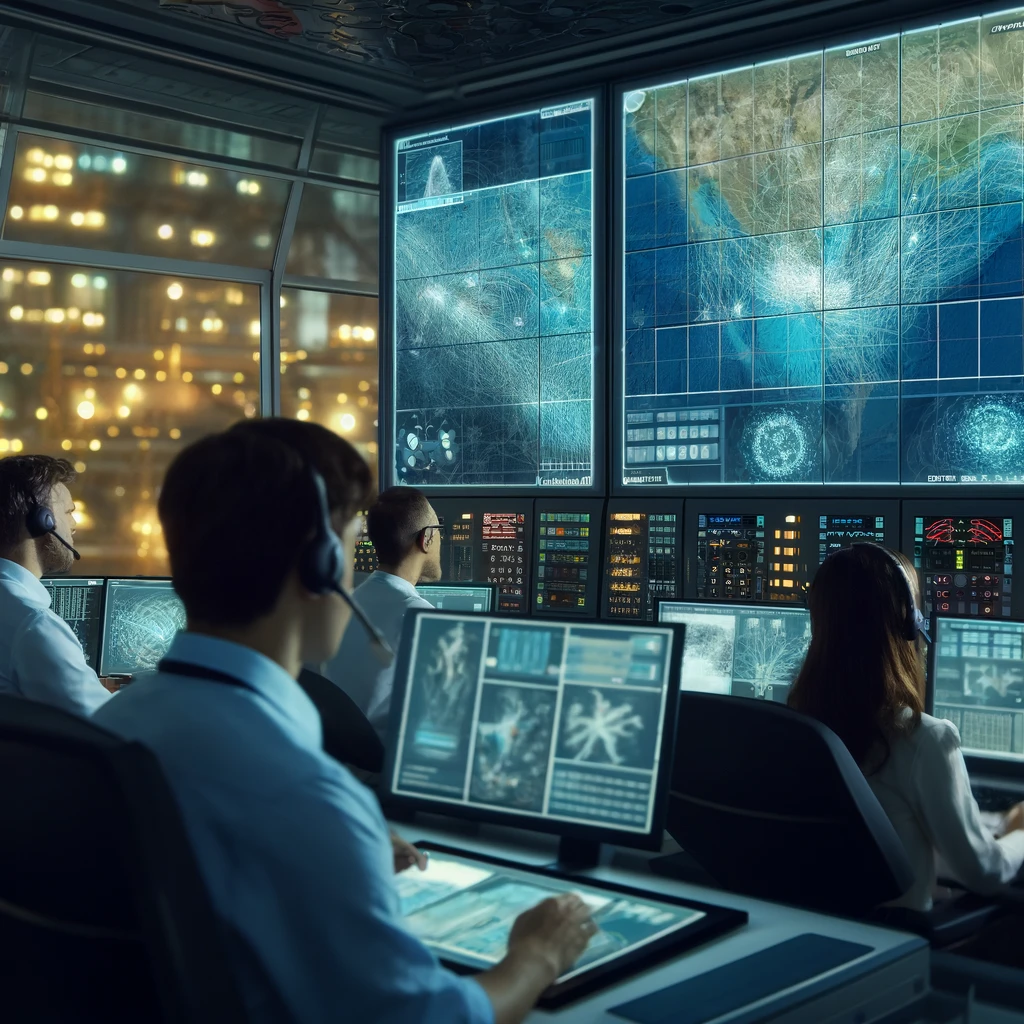


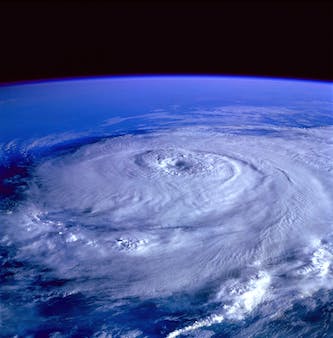
Traditional weather forecasting involves collecting real-time data from around the world and using supercomputers to simulate weather changes. This method works, but it takes a long time and needs a lot of computing power. AI works differently by using machine learning to analyze historical data and predict weather patterns. GraphCast is accurate because it learns from decades of data and can make forecasts quickly with less computing power. While it may not give as much detail as traditional models, it's really good at predicting severe events and tracking major storms.
But just because AI is successful doesn't mean traditional methods will go away. AI models actually work together with traditional approaches because they use data generated by those approaches. GraphCast is open source, so anyone can use it, and many companies and weather organizations are developing their own AI weather prediction tools. The UK's Met Office is even working with the Turing Institute to explore AI in weather forecasting. However, climate change might make it harder for AI to predict new extremes because it's based on past weather conditions.
In conclusion, AI has the potential to revolutionize hurricane forecasting by giving us more accurate and timely predictions. GraphCast, made by Google DeepMind, is better than traditional models at predicting severe weather events. But AI models should be used together with traditional methods because they rely on data from those methods. While AI is getting better, climate change might make it harder to predict new extremes. Still, AI in weather forecasting is a big step forward in helping us prepare for and respond to extreme weather events.
Original news source: AI could predict hurricane landfall sooner – report (BBC)
📖 Vocabulary:
Group or Classroom Activities
Warm-up Activities:
– News Reporter Role-play
Instructions: Students will work in pairs to role-play a news reporter and an AI specialist discussing the new development in AI weather forecasting. One student will ask questions about the benefits, challenges, and future implications of AI like GraphCast, while the other explains, based on the information from the article.
– Opinion Spectrum
Instructions: Create a line in the classroom representing a spectrum of opinions from "strongly agree" to "strongly disagree." Read out statements about the use of AI in weather forecasting, such as "AI will completely replace traditional weather forecasting methods in the future." Students position themselves along the spectrum according to their opinion and discuss their reasoning with the person next to them.
– Vocabulary Pictionary
Instructions: Write down the key vocabulary from the article on cards (e.g., Artificial Intelligence, predict, hurricane, traditional methods, supercomputers, machine learning, severe events). Split the class into two teams. A student from one team picks a card and draws the word for their team to guess. No letters or numbers allowed in the drawings. The team has a time limit to guess the word correctly before the other team gets a chance.
– Synonym Challenge
Instructions: List out key terms from the article (e.g., predict, analyze, accurate, revolutionize, extremes). Students work in small groups to come up with as many synonyms as possible for each term within a set time limit. Afterward, discuss which synonyms are the most accurate and if any have slightly different connotations.
– Future Predictions
Instructions: Ask students to write a short paragraph predicting the future of weather forecasting, using the information from the article. They should consider the role of AI and traditional methods, as well as potential challenges that climate change might pose. After writing, students can share their predictions with the class or a partner and discuss the likelihood and implications of their scenarios.
🤔 Comprehension Questions:
The main benefit is that AI can predict hurricanes more accurately and sooner than traditional methods.
GraphCast predicted the landfall three days in advance.
AI is a game-changer because it's fast and can analyze past events to make quick and accurate forecasts using less computing power.
Traditional methods take a long time and require a lot of computing power to simulate weather changes.
GraphCast uses machine learning to analyze historical data, allowing it to learn from decades of weather patterns and make quick forecasts with less computing power.
AI models and traditional methods work together, with AI using data generated by traditional approaches.
Climate change might make it harder for AI to predict new extremes because AI is based on past weather conditions.
The article suggests that AI models should be used in conjunction with traditional methods because they rely on data from those methods and can enhance the overall accuracy and timeliness of weather predictions.
🎧✍️ Listen and Fill in the Gaps:
Artificial Intelligence (AI) has the potential to save lives by predicting hurricanes more accurately and sooner than traditional methods, say researchers. Google DeepMind's new AI tool, called GraphCast, successfully the of Hurricane Lee in Canada three days in advance. Traditional have gotten better over time, but AI is a game-changer because it's fast and can analyze past events. GraphCast is better than the European Medium Range Weather Forecasting model on more than 90% of factors, and it can make forecasts in less than a minute less computing power. Traditional weather forecasting involves collecting real-time data from around the world and using supercomputers to simulate weather changes. This method works, but it takes a long time and needs a lot of computing power. AI works differently by using machine learning to historical data and weather . GraphCast is accurate because it learns from decades of data and can make forecasts quickly with less computing power. While it may not give as much detail as traditional models, it's really good at predicting severe events and tracking major . But just because AI is doesn't mean traditional methods will go away. AI models actually work together with traditional approaches because they use data generated by those approaches. GraphCast is open source, so anyone can use it, and many companies and weather organizations are developing their own AI weather prediction tools. The UK's Met Office is even with the Turing Institute to explore AI in weather forecasting. However, change might make it harder for AI to predict new extremes because it's based on past weather conditions. In conclusion, AI has the potential to revolutionize hurricane forecasting by giving us more accurate and timely predictions. GraphCast, made by Google DeepMind, is better than traditional models at severe weather . But AI models should be used together with traditional methods because they rely on data from those methods. While AI is getting better, climate change might make it harder to predict new s. Still, AI in weather forecasting is a big step forward in helping us prepare for and to extreme weather events.
💬 Discussion Questions:
1. What is your opinion on using AI to predict the weather?
2. How would you feel if a hurricane was predicted to hit your area?
3. Do you think it's important to have accurate weather forecasts? Why or why not?
4. What do you know about how traditional weather forecasts are made?
5. Have you ever experienced a severe weather event? What was it like?
6. Why do you think AI might be better at predicting weather than traditional methods?
7. Do you like the idea of AI and human forecasters working together? Why or why not?
8. How do you think AI could help us prepare for extreme weather events?
9. What concerns might you have about relying on AI for weather predictions?
10. Do you think climate change will make it harder for AI to predict weather? Why or why not?
11. How do you think weather forecasting has changed over the years?
12. What is one thing you think could be improved in the way we forecast weather?
13. If you could design your own weather predicting tool, what features would it have?
14. Do you think every country should have access to the best weather prediction technology? Why or why not?
15. How do you usually find out about the weather forecast, and do you trust it?
Individual Activities
📖💭 Vocabulary Meanings:
Click a dot next to a word, then click the dot next to its meaning to draw a line connecting them.
Words
Meanings
🔡 Multiple Choice Questions:
🕵️ True or False Questions:
📝 Write a Summary:
Write a summary of this news article in two sentences.
Check your writing now with the best free AI for English writing!