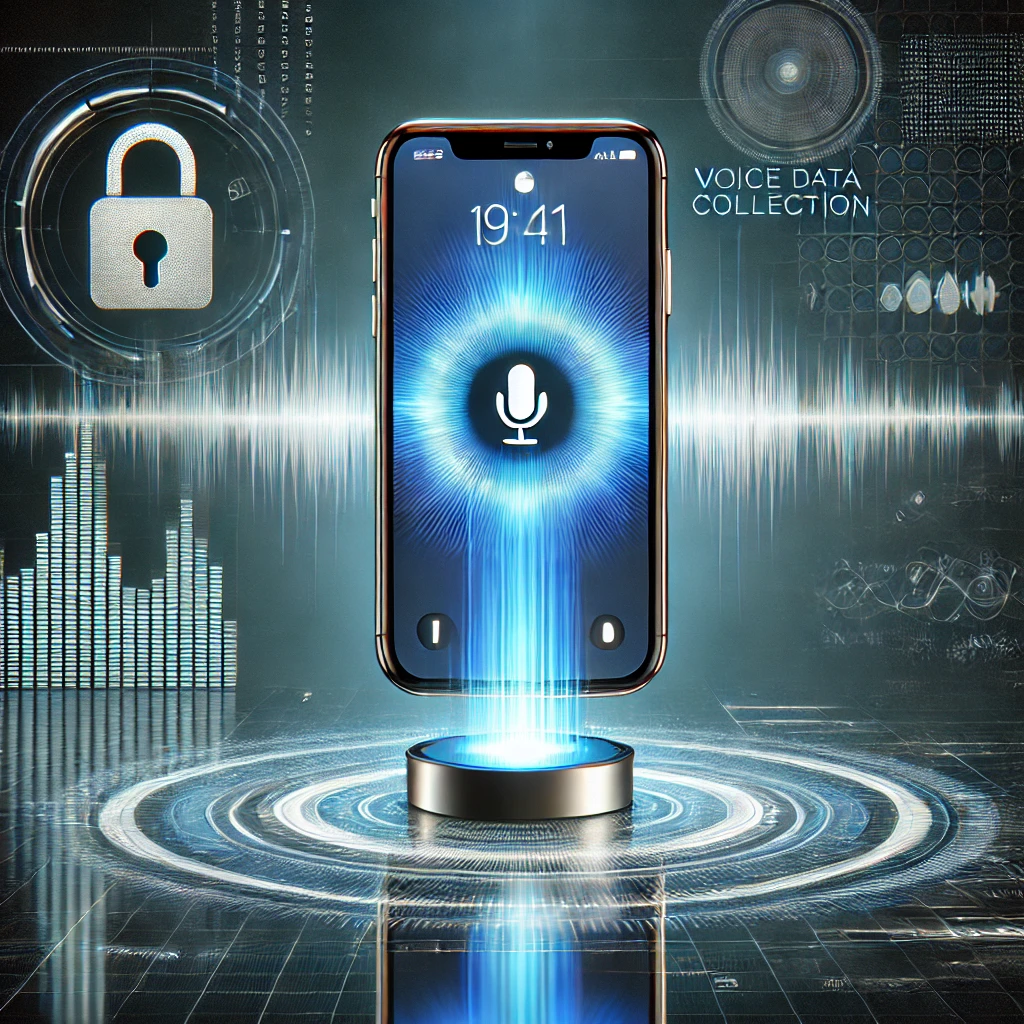
Apple has agreed to pay $95 million to settle a lawsuit that claimed the company listened to users without their permission through Siri, its virtual assistant. The lawsuit accused Apple of eavesdropping on customers and sharing their voice recordings with advertisers. Even though Apple hasn’t admitted to doing anything wrong, this settlement helps them avoid a long court fight that could have cost them even more money.
The lawsuit was started by a woman named Fumiko Lopez, who said that she and her daughter were recorded without knowing it while using Siri. They noticed that they started getting ads for things they had talked about, like Air Jordans. The plaintiffs argued that Siri sometimes turned on by itself, capturing conversations without the users saying "Hey, Siri" to start it.
In the settlement, Apple denied the claims, saying they did not record or share conversations without permission. They also mentioned that they deleted all individual Siri audio recordings made before October 2019. Despite this, the plaintiffs still believe that the recordings were used to target ads, which raises concerns about privacy and whether users really gave their consent.
This class-action lawsuit allows a small group of people to represent many others who were affected. If the settlement is approved, each person in the U.S. could get up to $20 for each Siri-enabled device they owned between 2014 and 2019. The lawyers involved in the case could receive nearly $30 million in legal fees, which is about 30% of the total settlement plus other costs. Apple has faced other lawsuits recently, including one for slowing down iPhones and another for overcharging on its iCloud service, showing that privacy issues are a big concern in the tech world.
Original news source: Apple to pay $95m to settle Siri 'listening' lawsuit (BBC)
🎧 Listen:
📖 Vocabulary:
Group or Classroom Activities
Warm-up Activities:
– CHARADES
Instructions: Students will act out the key terms from the article (e.g., "Siri," "lawsuit," "settlement") without speaking, while their classmates guess the word or phrase being acted out. This will help reinforce vocabulary related to the article.
– OPINION POLL
Instructions: Students will discuss in small groups whether they believe companies like Apple should be allowed to use voice recordings for advertising purposes. After a few minutes, each group will present their conclusions to the class, encouraging critical thinking and spoken expression.
– MIND MAP
Instructions: In pairs, students will create a mind map that visually represents the key points of the article, including the lawsuit, the plaintiffs, Apple’s response, and the implications for privacy. They will then share their maps with another pair to compare and discuss.
– HEADLINE CREATION
Instructions: Students will work in groups to come up with catchy headlines for the article. Each group will then present their headline to the class, explaining why they chose it and how it reflects the main ideas of the article.
– TWO TRUTHS AND A LIE
Instructions: Each student will come up with two true statements and one false statement related to the article's content (for example, about the lawsuit or Apple’s actions). They will then share these with a partner, who will guess which statement is the lie. This activity will encourage comprehension and critical thinking about the details of the article.
🤔 Comprehension Questions:
The main reason behind the lawsuit was the claim that Apple listened to users without their permission through Siri and shared their voice recordings with advertisers.
The lawsuit was initiated by Fumiko Lopez, who shared that she and her daughter were recorded without knowing it while using Siri, and they started receiving ads for things they had talked about.
The plaintiffs claimed that Siri sometimes turned on by itself, capturing conversations without the users saying "Hey, Siri" to activate it.
Apple denied the accusations, stating that they did not record or share conversations without permission and mentioned that they deleted all individual Siri audio recordings made before October 2019.
Each affected person in the U.S. could receive up to $20 for each Siri-enabled device they owned between 2014 and 2019 if the settlement is approved.
The lawyers involved in the case could potentially earn nearly $30 million in legal fees, which is about 30% of the total settlement plus other costs.
According to the article, Apple has faced other lawsuits for slowing down iPhones and for overcharging on its iCloud service.
Privacy concerns are significant in the technology industry because users want to feel safe and secure about their personal information and how it is being used by companies.
🎧✍️ Listen and Fill in the Gaps:
Apple has agreed to pay $95 million to settle a lawsuit that claimed the company listened to users without their permission through Siri, its assistant. The lawsuit accused Apple of on customers and sharing their voice recordings with advertisers. Even though Apple hasn’t admitted to doing anything , this settlement helps them a long court fight that could have cost them even more money. The lawsuit was started by a named Lopez, who said that she and her daughter were recorded without knowing it while using Siri. They that they started getting ads for things they had talked about, like Air Jordans. The plaintiffs argued that Siri sometimes turned on by itself, capturing conversations without the users saying "Hey, Siri" to start it. In the settlement, denied the claims, saying they did not record or share conversations without permission. They also mentioned that they all individual Siri audio made before October 2019. Despite this, the plaintiffs still believe that the recordings were used to target ads, which raises concerns about privacy and whether users really gave their consent. This class-action lawsuit allows a group of people to represent many others who were affected. If the is approved, each person in the U.S. could get up to $20 for each Siri-enabled they between 2014 and 2019. The lawyers involved in the case could receive nearly $30 million in legal fees, which is about 30% of the total settlement plus other costs. Apple has faced other lawsuits recently, including one for slowing down iPhones and another for overcharging on its iCloud service, showing that privacy are a big in the tech world.
💬 Discussion Questions:
1. What is your opinion on companies listening to users without their permission?
2. How would you feel if you discovered your conversations were being recorded without your knowledge?
3. Do you think it’s fair for Apple to settle the lawsuit without admitting any wrongdoing? Why or why not?
4. Have you ever noticed receiving ads for things you talked about? How did that make you feel?
5. What is a virtual assistant, and do you think they are helpful or invasive? Why?
6. How would you react if your voice recordings were shared with advertisers?
7. Do you think people should be more aware of their privacy when using technology? Why?
8. Have you ever experienced a situation where you felt your privacy was violated? What happened?
9. What is your opinion on class-action lawsuits? Do you think they are effective in helping people?
10. How would you feel if you received money from a lawsuit settlement like this one?
11. Do you think technology companies should be more transparent about how they use user data? Why or why not?
12. What is a privacy concern you have about technology today?
13. How do you feel about the idea of artificial intelligence listening to people’s conversations?
14. Do you think people should be more cautious about using smart devices like Siri? Why?
15. What do you think could be done to improve user privacy in technology?
Individual Activities
📖💭 Vocabulary Meanings:
Click a dot next to a word, then click the dot next to its meaning to draw a line connecting them.
Words
Meanings
🔡 Multiple Choice Questions:
🕵️ True or False Questions:
📝 Write a Summary:
Write a summary of this news article in two sentences.
Check your writing now with the best free AI for English writing!