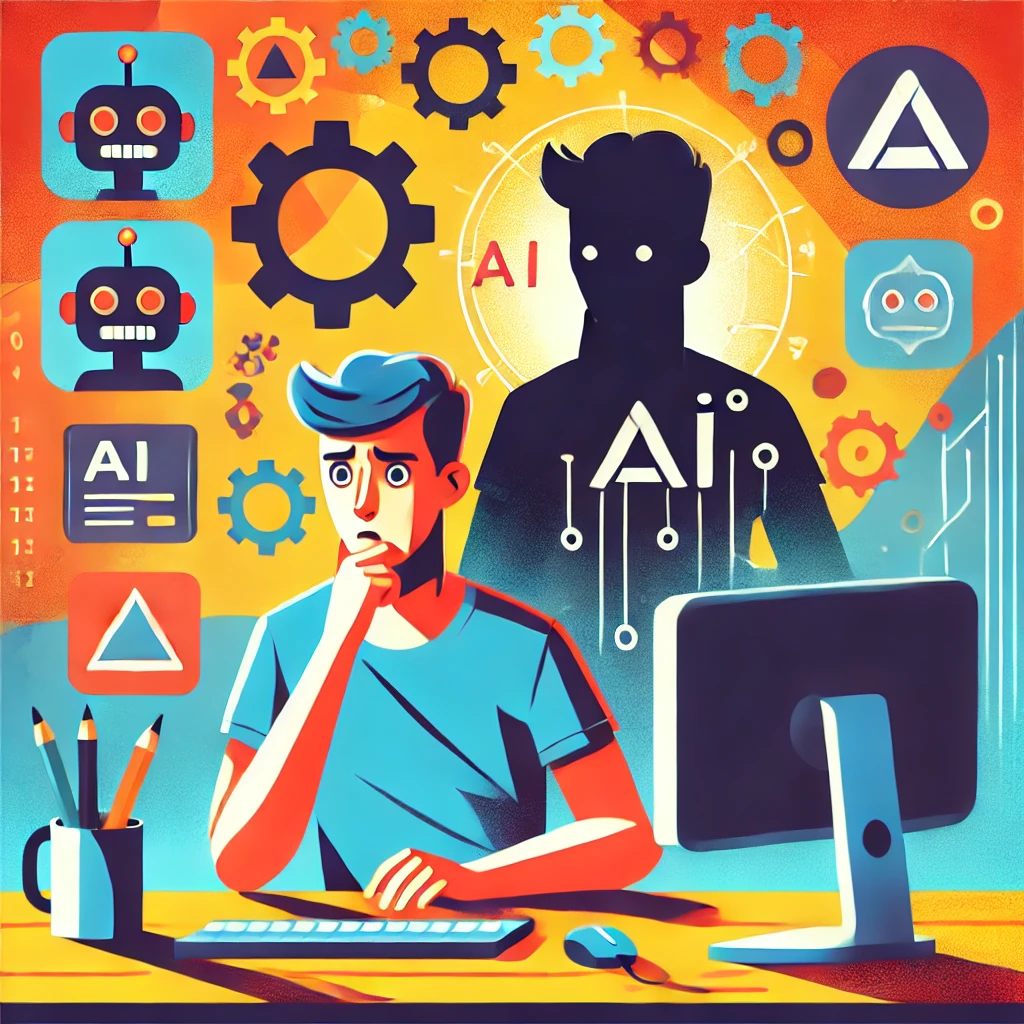
The growth of artificial intelligence (AI) in the gaming world is making many game developers feel uneasy. Jess Hyland, a video game artist with almost 15 years of experience, shares her worries about the current state of the industry. Even though there were more players and profits during the pandemic, many people lost their jobs, and several successful game studios shut down. As the industry faces these tough times, there is a rising fear of more layoffs and studio closures, which adds to the stress for game developers.
Some leaders in the gaming industry are excited about how generative AI could boost creativity and make development easier. Companies like Nvidia are showing off AI tools that claim to save time and improve player experiences. However, Jess believes that the excitement for AI mostly comes from people who don’t work in creative roles. This leads to worries that employers might see AI as a way to cut costs by reducing the number of workers. Reports of job losses, especially in entry-level positions like concept art, only add to these concerns.
The worries about AI also touch on what creative work really means. Jess mentions that instead of artists making original content, they might end up just tweaking what AI creates. This change raises important questions about the value of human creativity in a field that relies on teamwork among artists. There’s a fear that AI could lessen the importance of artists, musicians, and writers, turning their work into simple fixes for AI mistakes.
Another big issue is copyright infringement related to AI in gaming. Generative AI tools often learn from a lot of data found online, which can lead to accusations of stealing ideas. While some studios are trying to create ethical AI systems that use their own data, there’s still concern that the push for more content will put extra pressure on workers. Jess highlights that the demand for more games could overshadow the artistic quality of the games being made. Despite these challenges, some people in the industry, like composer Borislav Slavov, see AI as a way to improve the creative process in music, although he knows that AI can’t replace the unique human touch in art.
Original news source: How AI is fuelling uncertainty for game developers (BBC)
🎧 Listen:
📖 Vocabulary:
Group or Classroom Activities
Warm-up Activities:
– CHARADES
Instructions: Divide the class into small groups. Each group will take turns acting out words or phrases related to the article (e.g., "artificial intelligence," "game developer," "creativity," "job loss"). The other groups will try to guess what they are acting out. This will help students familiarize themselves with the vocabulary in a fun way.
– OPINION POLL
Instructions: Prepare statements related to the article (e.g., "AI will improve the gaming industry," "AI threatens job security for artists"). Students will walk around the room and ask their classmates to agree or disagree with each statement. Afterward, discuss the results as a class, allowing students to share their thoughts and reasoning.
– MIND MAP
Instructions: In small groups, students will create a mind map on a large piece of paper that relates to the key themes of the article (e.g., AI in gaming, creativity, job loss, copyright issues). They should connect ideas and add keywords related to each theme. After 10 minutes, groups will present their mind maps to the class.
– FUTURE PREDICTIONS
Instructions: Ask students to write down their predictions about the future of AI in the gaming industry based on the article. They should consider both positive and negative outcomes. After writing, students will share their predictions in pairs, discussing what they think might happen in the next 5-10 years.
– HEADLINE CREATION
Instructions: Students will work in pairs to create catchy headlines for the article that reflect its main ideas and themes. After they come up with their headlines, each pair will share their headline with the class, and the class can vote on the most interesting or creative one.
🤔 Comprehension Questions:
Jess Hyland is worried that AI might lead to job cuts and less importance for creative roles like artists, musicians, and writers. She fears that instead of creating original content, artists may only be making small changes to what AI produces.
During the pandemic, there were more players and higher profits in the gaming world, but many people still lost their jobs, and some successful game studios shut down.
Some leaders believe that generative AI can boost creativity and make game development easier, potentially saving time and improving player experiences.
Jess believes that the excitement for AI mainly comes from people who don’t work in creative roles, which makes her worry that employers might use AI to cut costs by reducing their workforce.
According to Jess, the use of AI might change artists' roles from creating original content to just tweaking or fixing what AI has generated, which could reduce the importance of their creative contributions.
Jess raises concerns that generative AI tools often learn from data found online, which can lead to accusations of stealing ideas and copyright infringement.
Some studios are trying to create ethical AI systems by using their own data instead of relying on data from the internet to avoid copyright issues.
Borislav Slavov sees AI as a way to improve the creative process in music, but he acknowledges that AI cannot replace the unique human touch that artists bring to their work.
🎧✍️ Listen and Fill in the Gaps:
The growth of artificial (AI) in the gaming world is making many game feel uneasy. Jess Hyland, a video game artist with almost 15 of experience, shares her worries about the current state of the industry. Even though there were more and profits during the pandemic, many people lost their jobs, and several successful game studios shut down. As the industry faces these tough times, there is a rising fear of more layoffs and studio closures, which adds to the stress for game developers. Some leaders in the gaming industry are excited about how generative AI could boost creativity and make development easier. like Nvidia are off AI tools that claim to save time and improve player experiences. However, Jess believes that the for AI mostly comes from people who don’t work in creative roles. This leads to worries that might see AI as a way to cut costs by reducing the number of workers. Reports of job losses, especially in entry-level positions like concept art, only add to these concerns. The worries about AI also touch on what work really means. Jess mentions that instead of artists making content, they might end up just tweaking what AI creates. This change raises important questions about the of human creativity in a field that relies on teamwork among artists. There’s a fear that AI could lessen the importance of artists, musicians, and writers, turning their work into simple fixes for AI . Another big issue is copyright infringement related to AI in gaming. Generative AI tools often learn from a lot of data found online, which can lead to of stealing ideas. While some studios are trying to create AI systems that use their own data, there’s still concern that the push for more will put extra pressure on workers. Jess highlights that the for more games could overshadow the artistic quality of the games being made. Despite these challenges, some people in the industry, like composer Borislav Slavov, see AI as a way to improve the creative process in music, although he knows that AI can’t replace the unique human touch in art.
💬 Discussion Questions:
1. What is your opinion on the rise of artificial intelligence in creative industries like gaming?
2. How would you feel if AI took over jobs that people currently do in the gaming industry?
3. Do you think AI can truly replace human creativity in art and music? Why or why not?
4. What is a job that you believe is safe from being replaced by AI?
5. Have you ever played a video game that you thought was created with AI? What did you think of it?
6. How would you feel if you had to rely on AI to create your own art or music?
7. Do you like the idea of using AI to help make video games? Why or why not?
8. What is a creative project you would want to work on without the help of AI?
9. Do you think the benefits of AI in gaming outweigh the risks? Why or why not?
10. How would you react if a game you loved was made mostly by AI instead of human developers?
11. What is your experience with video games that have a strong artistic style? How do you think AI affects that?
12. Do you think it’s fair for artists to worry about AI taking their jobs? Why or why not?
13. How would you feel if your favorite game studio closed down because they couldn't compete with AI?
14. What is a way you think AI could positively impact the gaming industry?
15. Do you think there should be rules about how AI can be used in gaming? Why or why not?
Individual Activities
📖💭 Vocabulary Meanings:
Click a dot next to a word, then click the dot next to its meaning to draw a line connecting them.
Words
Meanings
🔡 Multiple Choice Questions:
🕵️ True or False Questions:
📝 Write a Summary:
Write a summary of this news article in two sentences.
Check your writing now with the best free AI for English writing!