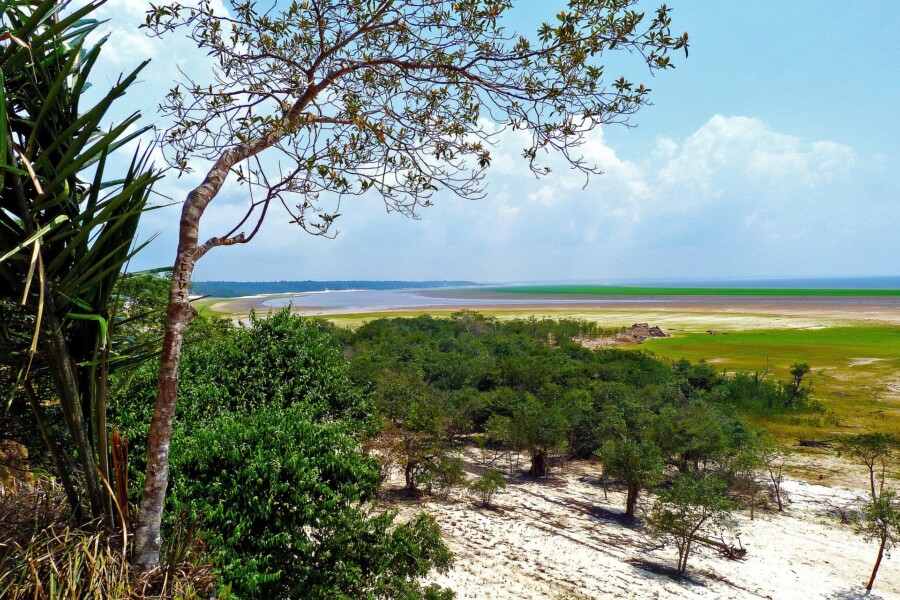

The government of England has said that they will be adding more places where people can swim in rivers and be monitored. They have chosen 27 new spots, mostly on rivers, where they will test the water for pollution during the summer. But it's important to know that just because a place is officially designated as a swimming spot, it doesn't mean that the water is clean. Right now, two of the river spots on the list are rated as "Poor". Even so, people who like to swim in rivers, like Alison Biddulph from Shropshire, are hopeful that the designations will make local communities take action to clean up the water.
The Water Minister, Robbie Moore, has said that he is committed to making sure that the water in the sea, rivers, and lakes is clean for everyone to use and for the environment. Last year, out of the 423 swimming spots they tested in England, 405 met at least the minimum standard. But the number of spots rated as "Excellent" went down, and the number rated as "Poor" was the highest it's been since 2015. The designated spots are tested by the Environment Agency during the swimming season, and the results are put on their website for everyone to see.
The testing process involves looking at samples of the water to see if there are any bacteria, like e. coli and intestinal enterococci, which could mean that there's poop in the water. If a swimming spot has too much bacteria, it gets a "Poor" rating and a sign is put up to tell people not to swim there. The Wolvercote Mill Stream in Oxford is an example of a river spot that has had a hard time. Even though it was designated as a swimming spot two years ago, the water quality has always been rated as "Poor". But because it was designated, more people have been paying attention and trying to make the water better.
It's important to know that if a swimming spot is rated as "Poor" for five years in a row, it loses its designation and they stop testing it. So it's really important to fix the water pollution problem and make sure that the swimming spots meet the right standards.
Original news source: 27 new wild swimming sites for England – but are they clean? (BBC)
🎧 Listen:
📖 Vocabulary:
Group or Classroom Activities
Warm-up Activities:
– News Summary
Instructions: In pairs or small groups, students will read the article and then create a brief summary of the main points. They should focus on the government's plan to add more swimming spots, the issue of water pollution, and the impact on local communities. Afterward, groups can share their summaries with the class.
– Opinion Poll
Instructions: Students will be divided into groups and given a set of questions related to the article. They will take turns asking and answering the questions, recording their group members' opinions. The questions can include: Do you think it's important to have designated swimming spots? Should the government do more to clean up water pollution? What actions can local communities take to improve water quality? After the discussion, each group will share their findings with the class.
– Vocabulary Pictionary
Instructions: Students will work in pairs or small groups. Each group will be given a list of vocabulary words from the article related to water and pollution. One student from each group will choose a word and draw a picture representing it, while the rest of the group tries to guess the word. They can use English definitions, synonyms, or descriptions to guide their guesses. The group that correctly guesses the most words wins.
– Headline Creation
Instructions: Students will work individually or in pairs to create catchy headlines related to the article. The headlines should capture the main idea and attract readers' attention. Once they have brainstormed their headlines, they can share their ideas with the class and discuss why they chose certain words or phrases.
– Pros and Cons
Instructions: Students will work in pairs or small groups to discuss the pros and cons of designating swimming spots and testing water quality. They should consider the benefits and drawbacks for both individuals and the environment. After the discussion, each group will present their arguments to the class and engage in a debate, taking turns defending their positions.
🤔 Comprehension Questions:
The government of England is planning to add more places where people can swim in rivers and monitor the water for pollution.
No, the designation of a swimming spot does not guarantee that the water is clean.
Some people are hopeful because they believe the new designations will encourage local communities to take action and clean up the water.
The Water Minister's goal is to ensure that the water in the sea, rivers, and lakes is clean for everyone to use and for the environment.
Last year, 405 out of 423 swimming spots tested in England met at least the minimum standard.
The results of the water testing are made available to the public on the website of the Environment Agency.
The testing process involves taking samples of the water and checking for bacteria, such as e. coli and intestinal enterococci, which could indicate the presence of feces in the water.
If a swimming spot is rated as "Poor" for five years in a row, it loses its designation and the testing is stopped.
🎧✍️ Listen and Fill in the Gaps:
The government of England has said that they will be more where can swim in rivers and be monitored. They have chosen 27 new spots, mostly on rivers, where they will test the water for pollution during the summer. But it's important to know that just because a place is officially designated as a spot, it doesn't mean that the water is clean. Right now, two of the river spots on the list are rated as "Poor". Even so, people who like to swim in rivers, like Alison Biddulph from Shropshire, are hopeful that the designations will make local communities take action to clean up the . The Water Minister, Robbie Moore, has said that he is to making sure that the water in the sea, rivers, and lakes is clean for everyone to use and for the . Last year, out of the 423 swimming spots they tested in , 405 met at least the minimum standard. But the number of spots rated as "Excellent" went down, and the number rated as "Poor" was the highest it's been since 2015. The designated spots are tested by the Environment Agency during the swimming season, and the results are put on their website for everyone to see. The testing process involves looking at samples of the water to see if there are any , like e. coli and intestinal enterococci, which could mean that there's poop in the water. If a swimming spot has too much bacteria, it gets a "Poor" rating and a sign is put up to tell people not to swim there. The Mill in Oxford is an example of a spot that has had a hard time. Even though it was as a swimming spot two ago, the water quality has always been rated as "Poor". But because it was designated, more people have been paying attention and trying to make the water better. It's important to know that if a swimming spot is rated as "Poor" for five years in a row, it loses its designation and they stop testing it. So it's really important to fix the water problem and make sure that the swimming meet the right standards.
💬 Discussion Questions:
1. What do you think about the idea of adding more places to swim in rivers?
2. How would you feel if you found out that a designated swimming spot had poor water quality?
3. Do you like swimming in rivers? Why or why not?
4. Do you think it's important for local communities to take action to clean up the water in swimming spots? Why or why not?
5. What do you think the government should do if a swimming spot is rated as "Poor" for five years in a row?
6. How do you think the environment can be affected by polluted water in swimming spots?
7. Have you ever swum in a river? How was your experience?
8. Do you think the government is doing enough to ensure clean water in swimming spots? Why or why not?
9. What actions can individuals take to help improve the water quality in rivers and lakes?
10. How do you think the designation of swimming spots can raise awareness about water pollution?
11. What do you think are the consequences of swimming in polluted water?
12. How would you feel if a swimming spot you often visit was no longer designated due to poor water quality?
13. Do you think it's important for the government to regularly test and monitor swimming spots? Why or why not?
14. What measures do you think can be taken to prevent water pollution in rivers and lakes?
15. How do you think the testing and monitoring of swimming spots can impact tourism and local economies?
Individual Activities
📖💭 Vocabulary Meanings:
Click a dot next to a word, then click the dot next to its meaning to draw a line connecting them.
Words
Meanings
🔡 Multiple Choice Questions:
🕵️ True or False Questions:
📝 Write a Summary:
Write a summary of this news article in two sentences.
Check your writing now with the best free AI for English writing!