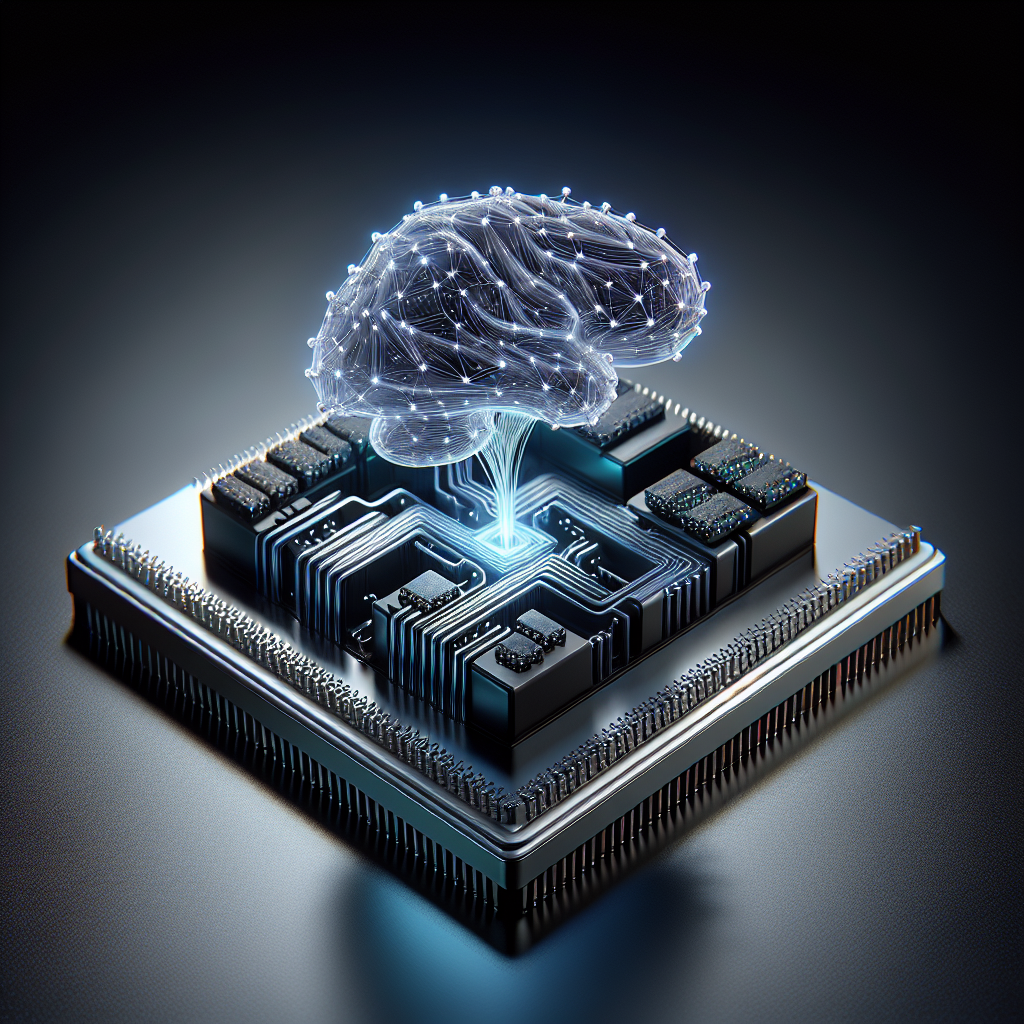
Computers need a lot of electricity, especially for things like data centers, artificial intelligence (AI), and cryptocurrency. It's predicted that by 2026, the amount of electricity these things use could double compared to 2022. So, some companies are trying to make computers that use less energy. One idea is called neuromorphic computing, where computers copy how our brains work. This technology has been around since the 1980s, but now it's becoming more important because AI needs a lot of energy.
Neuromorphic computers are more energy efficient and faster than regular computers. They don't have separate memory and processing units, which saves energy and time. They can also only turn on when there's something to do, which saves power. Some neuromorphic computers use digital technology, while others use analog technology. Analog technology is good for analyzing data from the outside world because it uses continuous signals.
There are two main ways neuromorphic computing can be used. The first is for AI applications like image and video analysis, speech recognition, and chatbots. The second is for "edge computing," which means processing data in real-time on devices like robots, cell phones, and wearable technology. These devices have limited power, so using neuromorphic computing can help them work better.
But there are still challenges to overcome. Making the software for neuromorphic chips is hard, and making the chips themselves is expensive. Companies like Intel and IBM are working on this, but it will probably take at least ten years before we see all the benefits of neuromorphic computing. In the future, different types of computers, like regular ones, neuromorphic ones, and quantum ones, will all work together to do different jobs.
Original news source: Could brain-like computers be a 'competition killer'? (BBC)
🎧 Listen:
📖 Vocabulary:
Group or Classroom Activities
Warm-up Activities:
– News Summary
Instructions:
1. Divide the students into pairs or small groups.
2. Give each group a copy of the article.
3. Instruct the groups to read the article and summarize the main points in a paragraph or two.
4. After a designated amount of time, have each group share their summary with the class.
5. Discuss any differences or similarities in the summaries and have a class discussion about the topic.
– Opinion Poll
Instructions:
1. Divide the students into pairs or small groups.
2. Give each group a copy of the article.
3. Instruct the groups to read the article and come up with a question related to the topic.
4. Each group will then create an opinion poll question based on their question.
5. Have the groups share their poll questions with the class.
6. Conduct a class poll, with each student voting and explaining their choice.
7. Discuss the results and have a class discussion about the topic.
– Sketch It
Instructions:
1. Divide the students into pairs or small groups.
2. Give each group a copy of the article.
3. Instruct the groups to read the article and choose a key concept or idea.
4. Each group will then sketch a visual representation of their chosen concept or idea.
5. After a designated amount of time, have each group share their sketch with the class.
6. Have the class guess the concept or idea based on the sketch, and then discuss it as a class.
– Vocabulary Pictionary
Instructions:
1. Divide the students into pairs or small groups.
2. Give each group a copy of the article.
3. Instruct the groups to read the article and identify important vocabulary words or phrases.
4. Each group will then take turns selecting a word or phrase and drawing a visual representation of it.
5. The other group members must guess the word or phrase based on the drawing.
6. After a designated amount of time, have each group share their drawings and discuss the meanings of the words or phrases.
– Keyword Taboo
Instructions:
1. Divide the students into pairs or small groups.
2. Give each group a copy of the article.
3. Instruct the groups to read the article and choose key words or phrases.
4. Each group will then take turns describing the chosen word or phrase without using the actual word or any of its derivatives.
5. The other group members must guess the word or phrase based on the description.
6. After a designated amount of time, have each group share their descriptions and discuss the meanings of the words or phrases.
🤔 Comprehension Questions:
Data centers, artificial intelligence (AI), and cryptocurrency.
It is predicted to double compared to 2022.
One idea is called neuromorphic computing, where computers copy how our brains work.
Neuromorphic computers don't have separate memory and processing units, saving energy and time. They can also only turn on when there's something to do, saving power.
Analog technology uses continuous signals, which is good for analyzing data from the outside world.
The first is for AI applications like image and video analysis, speech recognition, and chatbots. The second is for "edge computing," which means processing data in real-time on devices like robots, cell phones, and wearable technology.
Edge computing is processing data in real-time on devices like robots, cell phones, and wearable technology. Neuromorphic computing is helpful for edge computing because it can make these devices work better by using less power.
Making the software for neuromorphic chips is hard, and making the chips themselves is expensive.
🎧✍️ Listen and Fill in the Gaps:
Computers need a lot of electricity, especially for things like data , intelligence (AI), and cryptocurrency. It's predicted that by 2026, the amount of electricity these things use could double compared to 2022. So, some are trying to make computers that use less energy. One idea is called neuromorphic , where computers copy how our brains work. This technology has been around since the 1980s, but now it's becoming more important because AI needs a lot of energy. computers are more energy efficient and faster than regular computers. They don't have memory and processing units, which saves energy and time. They can also only turn on when there's something to do, which saves power. Some computers use digital , while others use analog technology. Analog technology is good for analyzing data from the outside world because it uses continuous signals. There are two main ways neuromorphic computing can be used. The is for AI applications like and video analysis, speech , and chatbots. The second is for "edge computing," which means processing data in real-time on devices like robots, cell , and wearable technology. These devices have limited power, so using neuromorphic computing can help them work better. But there are still to . Making the software for neuromorphic chips is hard, and the chips themselves is expensive. Companies like Intel and IBM are working on this, but it will probably take at least ten years before we see all the benefits of neuromorphic computing. In the future, different types of computers, like ones, neuromorphic ones, and quantum ones, will all work together to do different jobs.
💬 Discussion Questions:
1. What is neuromorphic computing and how is it different from regular computing?
2. How do neuromorphic computers save energy and time compared to regular computers?
3. Do you think it's important for computers to use less energy? Why or why not?
4. How would you feel if all computers in the future were neuromorphic? Why?
5. Do you think AI applications like image and video analysis are useful? Why or why not?
6. What are some examples of edge computing devices that can benefit from neuromorphic computing?
7. Why do you think making the software for neuromorphic chips is hard?
8. Would you like to have a robot or wearable technology that uses neuromorphic computing? Why or why not?
9. What challenges do you think companies like Intel and IBM face in developing neuromorphic computing?
10. How do you think different types of computers, like regular, neuromorphic, and quantum ones, can work together in the future?
11. What other ways can you think of to make computers more energy efficient?
12. Do you think the benefits of neuromorphic computing are worth the cost of making the chips? Why or why not?
13. How do you think neuromorphic computing can improve our daily lives?
14. What do you think are the potential drawbacks of relying too much on AI and neuromorphic computing?
15. Would you like to learn more about neuromorphic computing? Why or why not?
Individual Activities
📖💭 Vocabulary Meanings:
Click a dot next to a word, then click the dot next to its meaning to draw a line connecting them.
Words
Meanings
🔡 Multiple Choice Questions:
🕵️ True or False Questions:
📝 Write a Summary:
Write a summary of this news article in two sentences.
Check your writing now with the best free AI for English writing!