

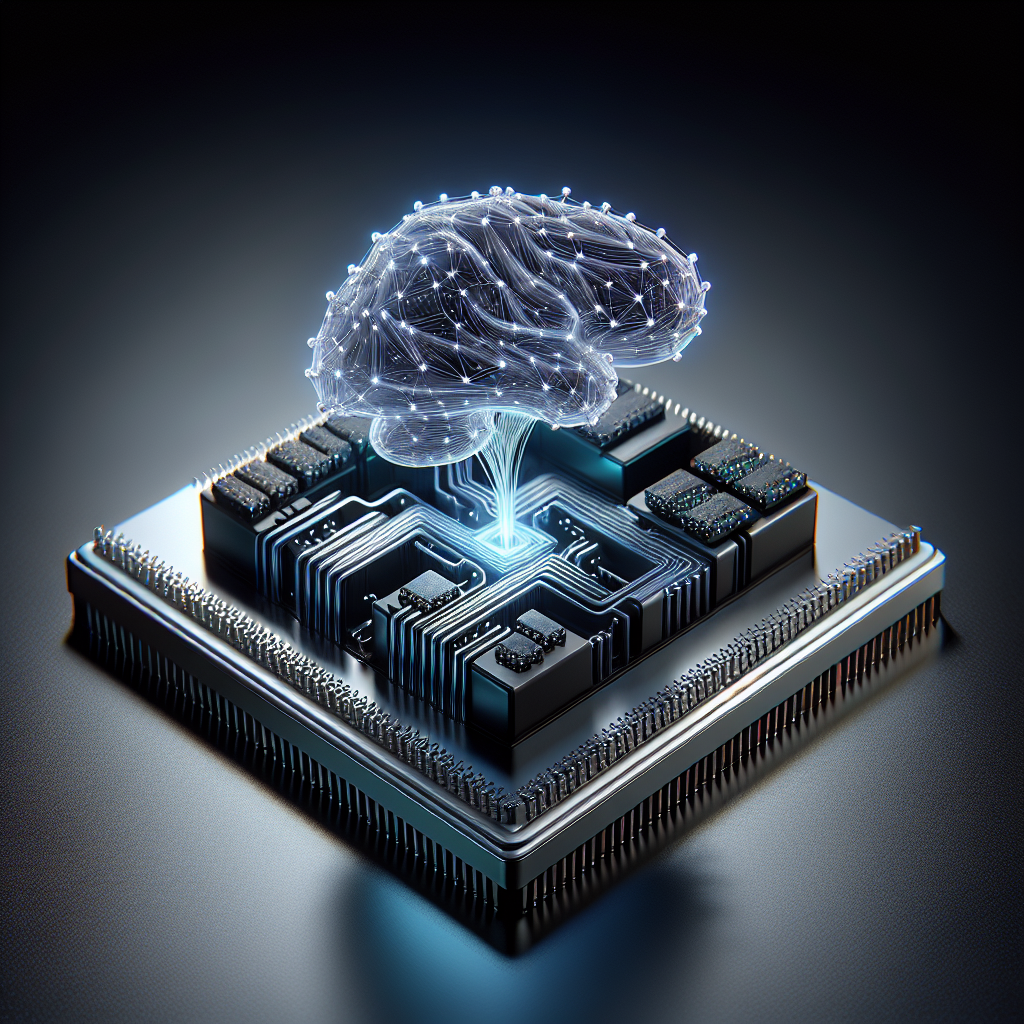
The demand for electricity in modern computing is increasing rapidly, with projections showing that by 2026, energy consumption by data centers, artificial intelligence (AI), and cryptocurrency could double compared to 2022 levels. To address this issue, some companies are exploring the development of computers with a different architecture that is more energy efficient. One approach is neuromorphic computing, where electronic devices imitate the structure and function of neurons and synapses in the brain. While this technology has been in development since the 1980s, the energy requirements of AI are pushing for its real-world implementation.
Neuromorphic computing offers potential gains in energy efficiency and performance. Unlike conventional computers, neuromorphic computers do not have separate memory and processing units, reducing energy consumption and processing time. Additionally, these computers can adopt an event-driven approach, where activation only occurs when there is something to process, saving power. While some neuromorphic efforts are digital, there is also the possibility of using analogue computing, which relies on continuous signals and can be useful for analyzing data from the outside world.
Commercial applications of neuromorphic computing fall into two main categories. The first is providing a more energy efficient and high-performance platform for AI applications such as image and video analysis, speech recognition, and chatbots. The second is in "edge computing" applications, where data is processed in real-time on connected devices with power constraints, benefiting autonomous vehicles, robots, cell phones, and wearable technology.
However, there are still challenges to overcome. Developing the software needed for neuromorphic chips to run is a major hurdle. Additionally, the cost of creating new chips, whether using silicon or other materials, is expensive. Despite these challenges, companies like Intel and IBM are making progress in developing neuromorphic chips and systems. It is predicted that it will take at least a decade, if not two, before the full benefits of neuromorphic computing are realized.
In conclusion, neuromorphic computing offers the potential for more energy efficient and high-performance computing. While there are technical and cost challenges to overcome, companies are making strides in developing this technology. In the future, different types of computing platforms, including conventional, neuromorphic, and quantum computing, are expected to work together to meet the diverse needs of advanced technology applications.
Original news source: Could brain-like computers be a 'competition killer'? (BBC)
🎧 Listen:
📖 Vocabulary:
Group or Classroom Activities
Warm-up Activities:
– News Summary
Instructions: Ask students to read the article and write a summary of the main points in their own words. They should aim to capture the key ideas and information from the article in a concise manner. Afterward, have students share their summaries with a partner or in small groups and discuss any similarities or differences they noticed.
– Vocabulary Pictionary
Instructions: Select a list of vocabulary words from the article and write them on separate small pieces of paper. Divide the class into teams and have each team take turns selecting a word. One student from the team must then draw a picture representing the word while their teammates try to guess what it is. The team with the most correct guesses wins.
– Opinion Poll
Instructions: Divide the class into pairs or small groups. Each group should discuss their opinions on neuromorphic computing and its potential benefits and challenges. Afterward, have each group present their opinions to the class and facilitate a class discussion, allowing students to share their thoughts and opinions on the topic.
– Pros and Cons
Instructions: Divide the class into two groups: one group represents the pros of neuromorphic computing and the other represents the cons. Each group should brainstorm and prepare arguments to support their side. Once prepared, have a debate where each group presents their arguments and counters the arguments of the other group. Encourage students to use evidence from the article or their own knowledge to support their arguments.
– Future Predictions
Instructions: Have students work individually or in pairs to make predictions about the future of neuromorphic computing. They should consider the potential advancements, challenges, and impacts that this technology could have. Afterward, have students share their predictions with the class and engage in a discussion about the different possibilities. Encourage students to support their predictions with evidence or reasoning.
🤔 Comprehension Questions:
🎧✍️ Listen and Fill in the Gaps:
The demand for electricity in modern computing is increasing rapidly, with projections showing that by 2026, energy consumption by data centers, artificial intelligence (AI), and cryptocurrency could double compared to 2022 levels. To address this issue, some companies are exploring the development of computers with a different architecture that is more energy . One approach is neuromorphic computing, where electronic imitate the structure and function of neurons and synapses in the . While this has been in development since the 1980s, the energy requirements of AI are pushing for its real-world implementation. Neuromorphic computing offers potential gains in energy efficiency and performance. Unlike conventional computers, neuromorphic computers do not have separate memory and , reducing energy and processing time. Additionally, these computers can an event-driven approach, where activation only occurs when there is something to process, saving power. While some neuromorphic efforts are digital, there is also the possibility of using analogue computing, which relies on continuous signals and can be useful for analyzing data from the outside world. Commercial applications of neuromorphic computing fall into two main categories. The first is providing a more energy efficient and high-performance platform for AI applications such as image and video analysis, speech recognition, and chatbots. The is in "edge computing" applications, where data is processed in real-time on devices with power constraints, benefiting autonomous vehicles, robots, cell phones, and wearable technology. However, there are still challenges to overcome. Developing the software needed for chips to run is a major hurdle. Additionally, the cost of creating new chips, whether using or other materials, is expensive. Despite these challenges, companies like Intel and IBM are making progress in developing neuromorphic chips and systems. It is predicted that it will take at least a decade, if not two, before the full benefits of neuromorphic computing are realized. In conclusion, neuromorphic computing offers the potential for more efficient and high-performance computing. While there are technical and cost challenges to overcome, are making strides in developing this technology. In the future, different of computing platforms, including conventional, neuromorphic, and quantum computing, are expected to work together to meet the needs of advanced technology applications.
💬 Discussion Questions:
1. What is neuromorphic computing and how does it differ from conventional computing?
2. How do you feel about the increasing demand for electricity in modern computing? Why?
3. Do you think the development of computers with a different architecture is necessary to address the energy consumption issue? Why or why not?
4. How would you feel if computers in the future were able to imitate the structure and function of neurons and synapses in the brain? Why?
5. Do you think the potential gains in energy efficiency and performance offered by neuromorphic computing are worth the challenges it presents? Why or why not?
6. What are some potential commercial applications of neuromorphic computing that you find interesting? Why?
7. How do you think neuromorphic computing could benefit autonomous vehicles, robots, cell phones, and wearable technology? Why?
8. What are some potential drawbacks or limitations of neuromorphic computing that you can think of? Why?
9. Do you think the development of the software needed for neuromorphic chips to run is a major hurdle? Why or why not?
10. How do you think the cost of creating new chips for neuromorphic computing compares to the benefits it offers? Why?
11. How do you feel about the prediction that it will take at least a decade, if not two, before the full benefits of neuromorphic computing are realized? Why?
12. What are your thoughts on the idea of different types of computing platforms, including conventional, neuromorphic, and quantum computing, working together in the future? Why?
13. How do you think the development of neuromorphic computing could impact society as a whole? Why?
14. Do you think the potential energy savings from neuromorphic computing are worth the investment in research and development? Why or why not?
15. How would you feel if neuromorphic computing became the dominant form of computing in the future? Why?
Individual Activities
📖💭 Vocabulary Meanings:
Click a dot next to a word, then click the dot next to its meaning to draw a line connecting them.
Words
Meanings
🔡 Multiple Choice Questions:
🕵️ True or False Questions:
📝 Write a Summary:
Write a summary of this news article in two sentences.
Check your writing now with the best free AI for English writing!