


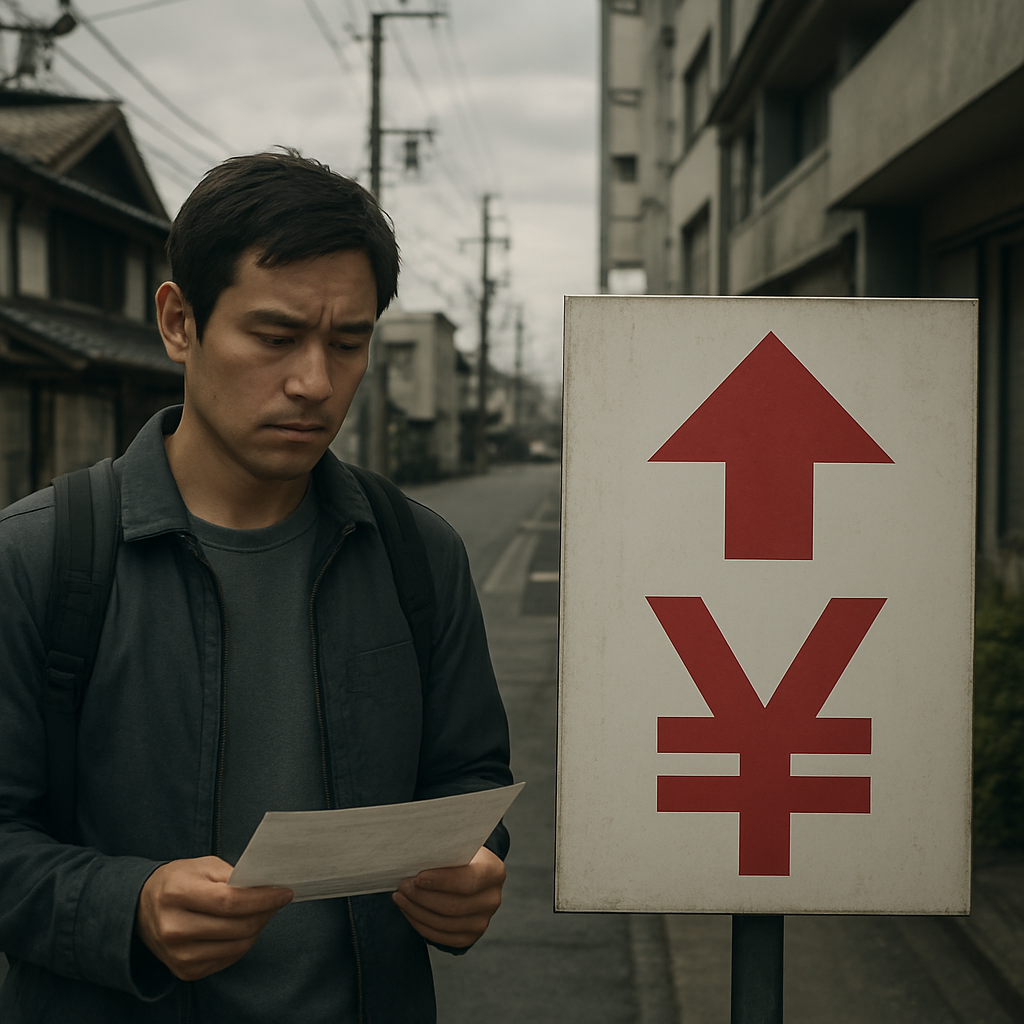
Japan has introduced a dramatic increase in fees for foreign nationals wishing to obtain permanent residency. The cost of these permits has increased to 200,000 yen, a change that has led to long queues at immigration offices as many rushed to submit applications before the new prices took effect. These new financial requirements come alongside income, pension, and Japanese-language proficiency standards that all applicants must meet.
Under Prime Minister Sanae Takaichi, these changes are part of broader immigration policy reforms designed to manage the rapidly growing foreign resident population. In July, a separate policy increased visa fees by five times, the first such rise in fifty years. These measures aim to address the economic and demographic challenges posed by an aging Japanese population increasingly dependent on foreign workers.
The foreign resident population exceeded 4.12 million in 2025, marking a significant increase. Authorities have noted public concerns regarding these changes and emphasize efforts to balance the needs of Japanese citizens and foreign residents. However, the tougher requirements have sparked debate, with some viewing them as potential barriers to skilled immigration.
Alongside language and income necessities, from April next year, permanent residency candidates will need pension benefits on par with long-term contributors to Japan's employee pension system. These moves have increased enrollments at Japanese language schools and raised questions about the long-term strategy for integrating foreign residents into Japanese society. While some expats are frustrated, the government insists these steps are crucial for maintaining order and security.
Original news source: Japan raises permanent residency fees for foreign nationals by twenty-fold – BBC News (BBC)
🎧 Listen:
📖 Vocabulary:
Group or Classroom Activities
Warm-up Activities:
1. Have you ever visited a foreign country? Share your experience.
2. What do you think are the benefits of living in another country?
3. Discuss how immigration policy can affect a country's population.
4. How important do you think learning a local language is when moving abroad?
5. What challenges do you think people face when moving to a new country?
🤔 Comprehension Questions:
The fees have increased to 200,000 yen.
Prime Minister Sanae Takaichi introduced these changes.
Visa fees were increased by five times.
To manage the growing foreign resident population and address economic challenges from an aging population.
The foreign resident population was 4.12 million.
They will need to have pension benefits on par with long-term contributors.
There has been an increase in enrollments at Japanese language schools.
🎧✍️ Listen and Fill in the Gaps:
Japan has introduced a dramatic increase in fees for nationals wishing to obtain permanent residency. The cost of these has increased to 200,000 yen, a change that has led to long queues at immigration as many rushed to submit before the new prices took effect. These new financial requirements come alongside income, pension, and Japanese-language proficiency standards that all applicants must meet. Prime Sanae , these changes are part of broader immigration reforms designed to manage the rapidly growing foreign resident population. In July, a separate policy increased visa fees by five times, the first such rise in fifty years. These measures aim to address the economic and demographic challenges posed by an aging population increasingly dependent on foreign . The foreign resident population exceeded 4.12 million in 2025, marking a significant increase. Authorities have noted public concerns regarding these changes and emphasize efforts to balance the needs of Japanese citizens and foreign residents. However, the tougher requirements have sparked debate, with some viewing them as potential to skilled immigration. Alongside and income necessities, from April next year, permanent residency will need pension benefits on par with long-term contributors to Japan's employee pension system. These moves have increased enrollments at Japanese language schools and raised about the long-term strategy for integrating foreign residents into Japanese society. While some are frustrated, the government insists these steps are crucial for maintaining and security.
💬 Discussion Questions:
1. How do you think an increase in fees can impact foreign residents?
2. What are your thoughts on the necessity of language proficiency for permanent residency?
3. Do you believe it's fair to raise fees without advance notice? Why or why not?
4. How would a country's aging population influence its immigration policies?
5. Should financial stability be a factor in granting permanent residency? Explain your reasoning.
6. How can countries ensure a balance between their citizens' needs and those of foreign residents?
7. Are there benefits to stricter immigration policies?
8. In what ways can immigrants contribute positively to a country’s economy?
9. How do you think tougher policies might affect skilled immigration?
10. Should cultural integration programs be mandatory for immigrants?
11. How can governments address public concerns about immigration?
12. What strategies do you think could help in integrating immigrants effectively?
Individual Activities
📖💭 Vocabulary Meanings:
Click a dot next to a word, then click the dot next to its meaning to draw a line connecting them.