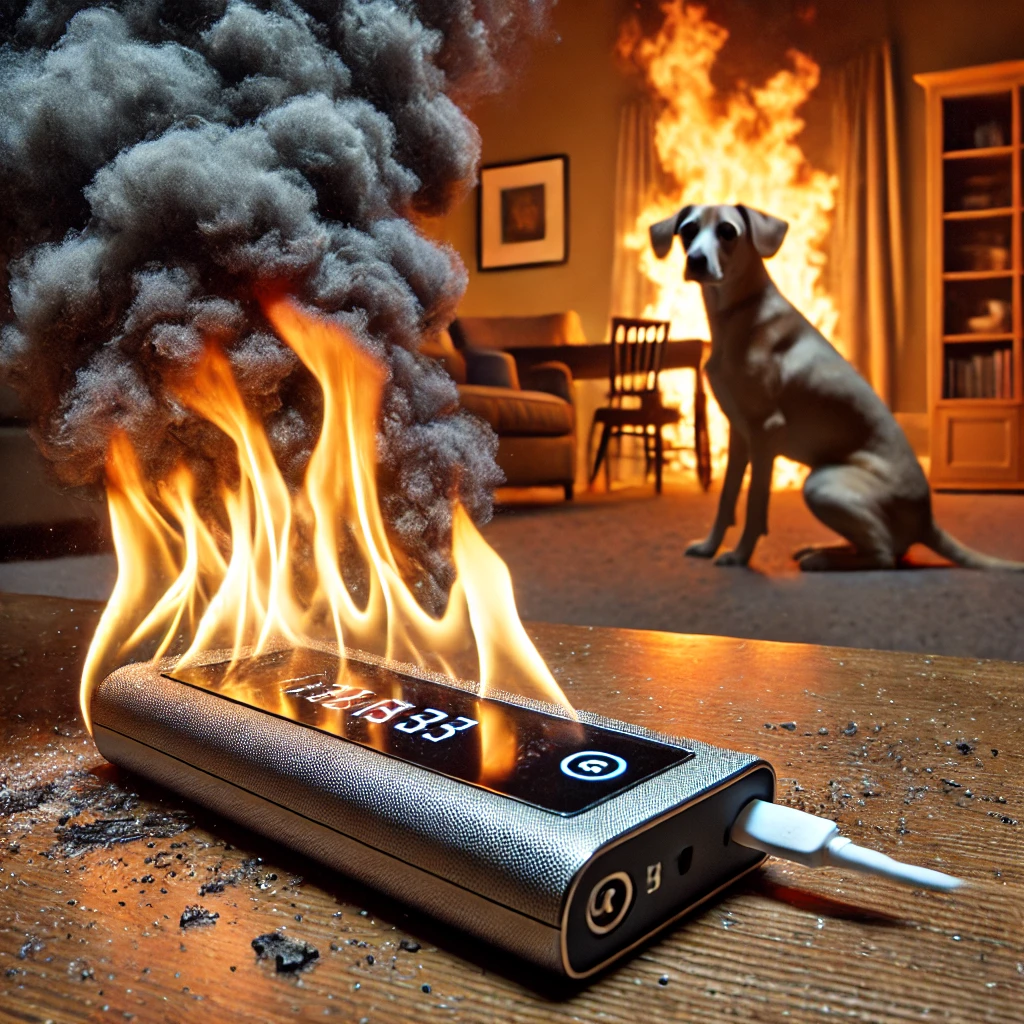
The Royal Mint, which makes coins for the UK, has started a new project to recycle electronic waste (e-waste) and get gold from it. This is part of a bigger plan to tackle the problem of old electronic devices being thrown away. In 2022, the United Nations reported that there were 62 million tonnes of e-waste, and this number could rise by about one-third by 2030. To help with this, the Royal Mint has built a big facility in Llantrisant, Wales, where they will recover precious metals from old circuit boards. At first, the gold they collect will be used to make jewelry, but they also plan to create special coins in the future.
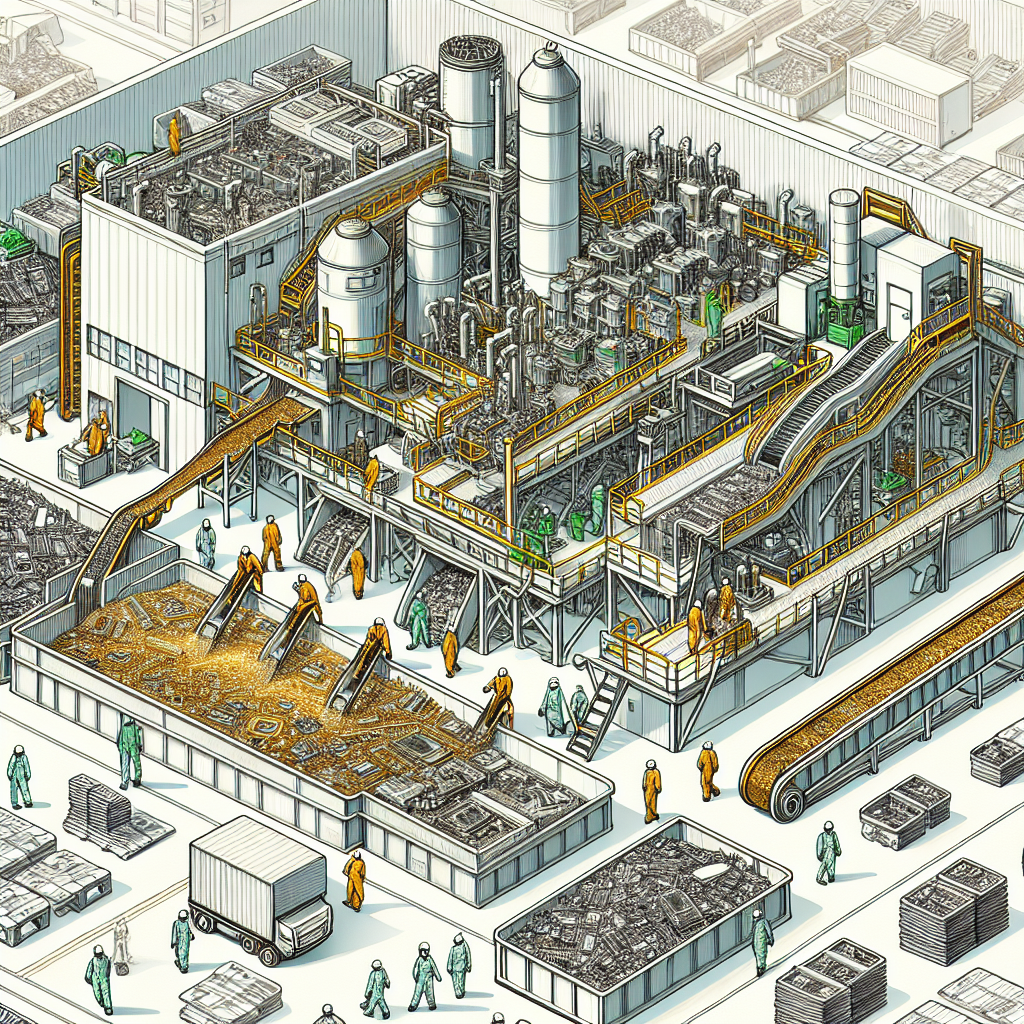
At the new plant, the process of getting gold from e-waste starts by heating circuit boards to break them down into different parts. These materials then move along a conveyor belt where they are carefully sorted and processed. This includes steps like sieving, slicing, and dicing. Inga Doak, who is in charge of sustainability, calls this process "urban mining." She highlights how important it is to see the value in the waste we create as a society. The main goal is to recover gold from these discarded items, reminding us that gold is a limited resource.
Once they find the parts that contain gold, they send them to a chemical plant on-site. Here, a special solution is used to extract the gold from the materials. This method is great because it uses less energy and works at room temperature, making it better for the environment than traditional methods that often use harmful chemicals and require a lot of energy. The end result is a powder that has pure gold, which can be turned into a shiny nugget by heating it in a furnace.
The Royal Mint plans to recycle over 4,000 tonnes of e-waste each year, which should give them about 450 kilograms of gold worth around £27 million based on current prices. This new focus on processing e-waste is a big change for the Royal Mint, which has been making coins for over a thousand years. As cash use declines, the company is looking for new ways to stay financially stable and keep jobs for its workers. Besides recovering gold, the Royal Mint is also thinking about how to reuse other materials like aluminum, copper, tin, and steel from the circuit boards. They are even exploring if ground-up circuit boards can be used in construction. This approach not only helps with the e-waste problem but also supports sustainable practices by making the most of available resources.
Original news source: Royal Mint starts turning e-waste into gold (BBC)
🎧 Listen:
📖 Vocabulary:
Group or Classroom Activities
Warm-up Activities:
– CHARADES
Instructions: Divide the class into two teams. Each team takes turns sending a member to act out a word or phrase related to the article (e.g., "recycle," "gold," "e-waste"). The other team must guess what it is within a time limit.
– OPINION POLL
Instructions: Provide students with statements derived from the article (e.g., "Recycling e-waste is more important than recycling plastic"). Students should walk around the classroom, asking their classmates whether they agree or disagree and why.
– MIND MAP
Instructions: On the board, write the central theme "E-Waste and Recycling." In small groups, students brainstorm and add related ideas, terms, and concepts mentioned in the article, creating a visual representation of their thoughts.
– HEADLINE CREATION
Instructions: Ask students to come up with a catchy headline for the article. They should focus on summarizing the main point creatively. Once they have their headlines, they can share with the class and discuss which ones they found most effective and why.
– PAS THE STORY
Instructions: In small groups, students will take turns adding to a story that starts with the sentence, "The Royal Mint decided to take a bold step towards sustainability…" Each student adds one sentence at a time, building on the previous contributions while incorporating elements from the article.
🤔 Comprehension Questions:
The main goal is to recycle electronic waste to recover gold and other precious metals, while also addressing the growing problem of e-waste.
In 2022, the United Nations reported 62 million tonnes of e-waste, and this number is expected to increase by about one-third by 2030.
The process starts by heating circuit boards to break them down. Then, the materials are sorted and processed through steps like sieving, slicing, and dicing.
Inga Doak means that we should see the value in the waste we create and recognize that we can extract valuable resources, like gold, from discarded electronic items.
This method is better because it uses less energy, works at room temperature, and avoids harmful chemicals that are often used in traditional gold extraction processes.
The Royal Mint plans to recycle over 4,000 tonnes of e-waste each year, expecting to recover about 450 kilograms of gold.
The Royal Mint is facing challenges in staying financially stable and keeping jobs for workers. They are addressing these by finding new ways to utilize resources, like recycling e-waste.
The Royal Mint is also interested in recovering aluminum, copper, tin, and steel from circuit boards. They are exploring the possibility of using ground-up circuit boards in construction.
🎧✍️ Listen and Fill in the Gaps:
The Royal Mint, which makes for the UK, has a new project to recycle electronic waste (e-waste) and get gold from it. This is part of a bigger plan to tackle the problem of old electronic devices being thrown away. In 2022, the Nations reported that there were 62 million tonnes of e-waste, and this could rise by about one-third by 2030. To help with this, the Royal Mint has built a big facility in Llantrisant, Wales, where they will recover precious metals from old circuit boards. At first, the gold they collect will be used to make jewelry, but they also plan to create special coins in the future. At the new plant, the process of getting gold from e-waste starts by circuit boards to break them down into different parts. These then move along a conveyor belt where they are carefully sorted and processed. This steps like sieving, slicing, and dicing. Inga Doak, who is in charge of sustainability, calls this process "urban mining." She highlights how important it is to see the value in the waste we create as a society. The main goal is to gold from these discarded items, reminding us that gold is a limited resource. Once they find the parts that contain gold, they send them to a chemical plant on-site. Here, a special is used to extract the gold from the materials. This method is great because it uses less energy and works at room temperature, making it better for the environment than traditional methods that often use harmful chemicals and require a lot of energy. The end result is a powder that has pure gold, which can be turned into a shiny nugget by heating it in a furnace. The Royal Mint plans to recycle over 4,000 of e-waste each year, which should give them about 450 kilograms of gold worth around £27 million on prices. This new focus on processing e-waste is a big change for the Royal Mint, which has been making coins for over a thousand years. As cash use declines, the company is looking for new ways to stay financially and keep jobs for its workers. Besides recovering gold, the Royal Mint is also thinking about how to reuse other materials like aluminum, copper, tin, and from the circuit . They are even exploring if ground-up circuit boards can be used in construction. This approach not only helps with the e-waste problem but also supports practices by making the most of available resources.
💬 Discussion Questions:
1. What is your opinion on recycling e-waste? Do you think it's important? Why or why not?
2. How would you feel if you found out that your old electronics could be turned into gold?
3. Do you think people are aware of the amount of e-waste they create? Why or why not?
4. What is a creative way you can think of to reuse old electronic devices?
5. How do you feel about the idea of "urban mining"? Does it sound like a good solution to you?
6. Do you like the idea of using recycled materials to make jewelry or coins? Why or why not?
7. What do you think are the biggest challenges in recycling e-waste?
8. How would you feel if you had to give up using certain electronic devices to help the environment?
9. Do you think schools should teach more about the importance of recycling? Why or why not?
10. What is a sustainable practice you follow in your daily life?
11. How do you think the decline of cash use affects companies like the Royal Mint?
12. Do you think it's possible to completely eliminate e-waste in the future? Why or why not?
13. What is a benefit of using less energy in recycling processes, like the one described in the article?
14. How would you feel if your community started a program to recycle e-waste?
15. Do you think people should be more responsible for disposing of their electronic devices? Why or why not?
Individual Activities
📖💭 Vocabulary Meanings:
Click a dot next to a word, then click the dot next to its meaning to draw a line connecting them.
Words
Meanings
🔡 Multiple Choice Questions:
🕵️ True or False Questions:
📝 Write a Summary:
Write a summary of this news article in two sentences.
Check your writing now with the best free AI for English writing!