A recent important report has found two new things that can increase the risk of dementia: poor eyesight and high cholesterol. The Lancet Commission says that if we tackle these health problems, we could possibly prevent almost half of all dementia cases around the world. The report points out that middle-aged people and those living in poorer countries would benefit the most from reducing these risks. As more people age, the number of individuals with dementia is expected to rise significantly, possibly reaching over 153 million by 2050.
Dementia often shows up as confusion and memory loss, and it is mainly caused by diseases like Alzheimer's that harm brain cells. While genetics can increase a person's risk for dementia, experts believe that about 45% of this risk can be changed. Professor Gill Livingston from University College London, who led the study, stresses that it's never too early or too late to take steps to prevent dementia. She encourages governments to work on health inequalities and help everyone live healthier lives.
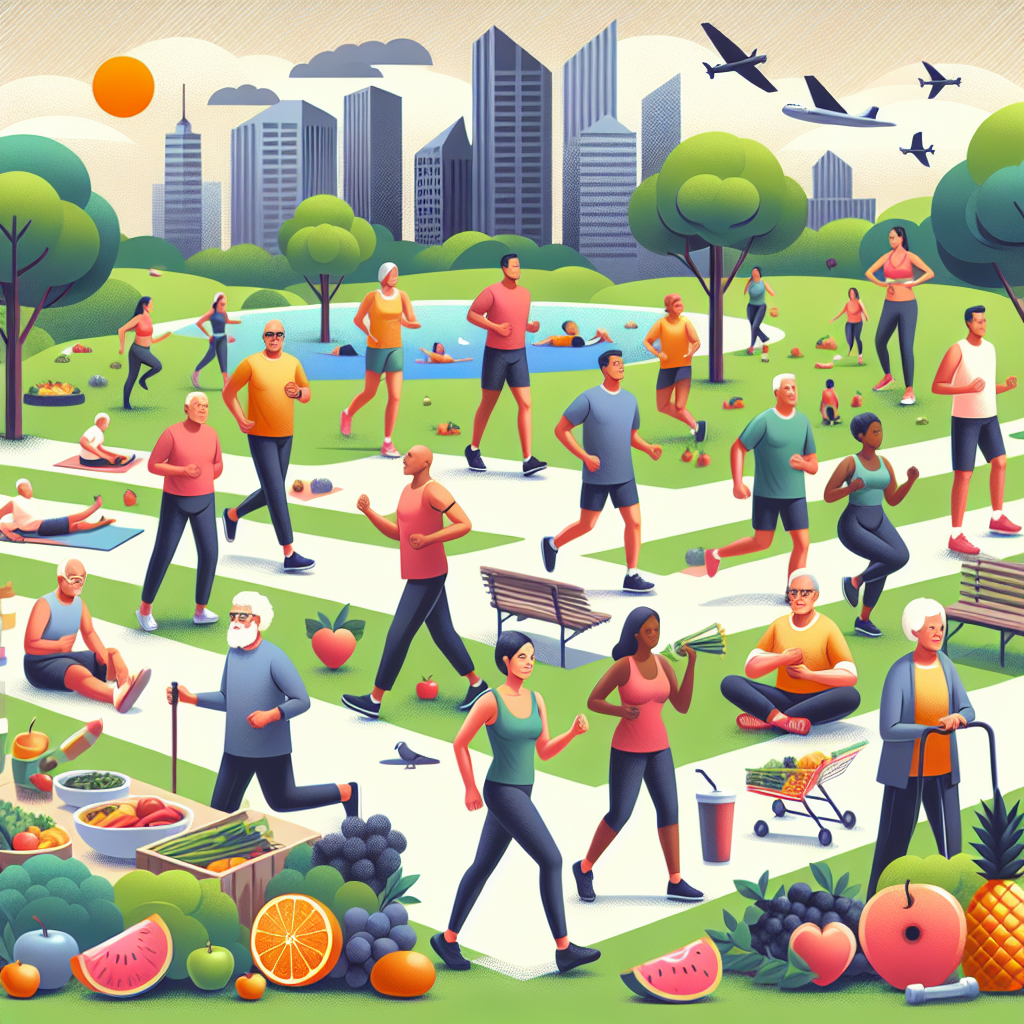
The researchers have suggested a detailed list of actions that countries can take. These include making hearing aids more available for people with hearing loss, ensuring everyone gets a good education, helping people quit smoking, promoting physical activity, and managing high blood pressure and cholesterol from middle age. Other ideas include addressing obesity early, cutting down on alcohol, fighting social isolation, checking for vision problems, and reducing exposure to air pollution.
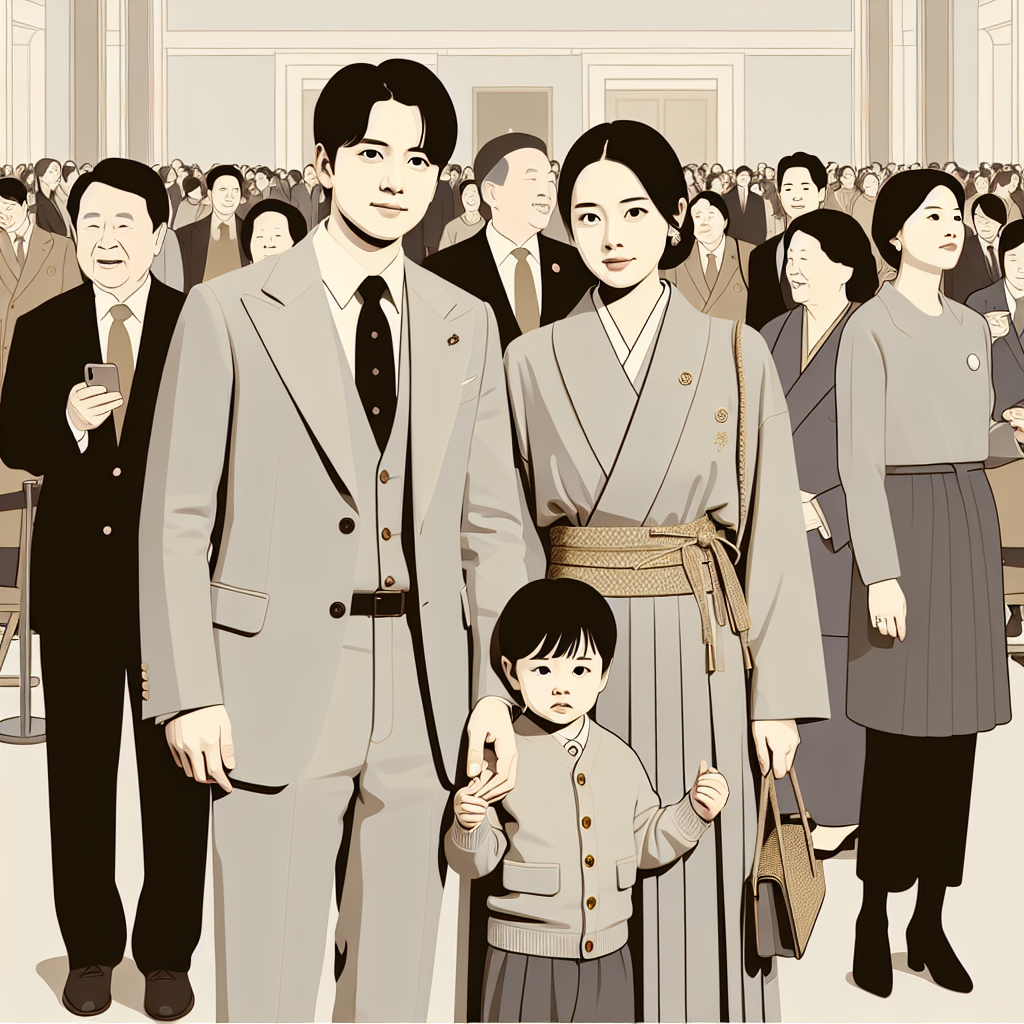
Personal stories, like that of Andy Watts, show the emotional impact of dementia. After seeing his father suffer from Alzheimer's, Watts is inspired to live a healthier life to lower his own risk. He understands the importance of diet and exercise, especially since his family has a history of dementia and high cholesterol. This personal commitment aligns with the report's findings that certain lifestyle changes can help reduce the chances of developing dementia. However, some experts remind us to be careful about how we link lifestyle choices to dementia, as many risk factors are not in our control.
Original news source: Two new dementia risks identified by major report (BBC)
🎧 Listen:
📖 Vocabulary:
Group or Classroom Activities
Warm-up Activities:
– OPINION POLL
Instructions: Write two statements related to the article (e.g., "Poor eyesight can lead to dementia" and "Lifestyle changes can prevent dementia"). Students will walk around the class and ask their classmates to choose which statement they agree with more. Afterward, students will share their findings in small groups.
– CHARADES
Instructions: Create a list of vocabulary words or phrases from the article (e.g., dementia, cholesterol, healthy lifestyle). Students will take turns acting out the words without speaking while the rest of the class guesses the word.
– HEADLINE CREATION
Instructions: Students will work in pairs to read the article and come up with a catchy headline that summarizes the main points. After they create their headlines, they will share them with the class and explain their choices.
– MIND MAP
Instructions: In small groups, students will create a mind map based on the article. They will write "Dementia Risk Factors" in the center and branch out with different risk factors mentioned in the article (like poor eyesight, high cholesterol) and potential solutions.
– FUTURE PREDICTIONS
Instructions: Students will discuss in pairs what they think the world will look like in 2050 in terms of dementia cases, based on the article's information. After their discussions, they will share their predictions with the class, explaining the reasoning behind their ideas.
🤔 Comprehension Questions:
Poor eyesight and high cholesterol.
It could possibly prevent almost half of all dementia cases around the world.
Middle-aged people and those living in poorer countries.
Dementia often shows up as confusion and memory loss, and it is mainly caused by diseases like Alzheimer's that harm brain cells.
She believes it's never too early or too late to take steps to prevent dementia.
Making hearing aids more available, ensuring everyone gets a good education, and promoting physical activity.
After seeing his father suffer from Alzheimer's, he is inspired to live a healthier life to lower his own risk.
Some experts remind us to be careful about how we link lifestyle choices to dementia, as many risk factors are not in our control.
🎧✍️ Listen and Fill in the Gaps:
A recent has found two new that can increase the risk of dementia: poor and high cholesterol. The Lancet Commission says that if we tackle these health problems, we could possibly prevent almost half of all dementia cases around the world. The report points out that middle-aged people and those living in poorer countries would benefit the most from reducing these risks. As more people age, the number of individuals with dementia is expected to rise significantly, possibly reaching over 153 million by 2050. Dementia often shows up as confusion and memory loss, and it is mainly by diseases like Alzheimer's that harm cells. While genetics can a person's risk for dementia, experts believe that about 45% of this risk can be changed. Professor Gill Livingston from University College London, who led the study, stresses that it's never too early or too late to take steps to prevent dementia. She encourages governments to work on health inequalities and help everyone live healthier . The researchers have suggested a detailed list of actions that countries can take. These making hearing aids more available for people with hearing loss, everyone gets a good education, helping people quit smoking, promoting physical activity, and managing high blood pressure and cholesterol from middle age. Other ideas include addressing obesity early, down on alcohol, fighting social isolation, checking for vision problems, and reducing to air pollution. Personal stories, like that of Andy Watts, show the emotional impact of dementia. After seeing his father suffer from Alzheimer's, Watts is inspired to live a healthier life to his own risk. He understands the importance of diet and exercise, especially since his family has a of dementia and high cholesterol. This personal commitment aligns with the report's findings that certain lifestyle changes can help reduce the chances of developing dementia. However, some remind us to be careful about how we link lifestyle choices to dementia, as many risk are not in our control.
💬 Discussion Questions:
1. What is your opinion on the importance of eyesight and cholesterol in relation to health?
2. How would you feel if you or a loved one were diagnosed with dementia?
3. Do you think it is possible to prevent diseases like dementia? Why or why not?
4. What is a healthy lifestyle to you, and how do you think it can affect brain health?
5. Have you or someone you know made lifestyle changes to improve health? What were they?
6. How would you feel if the government took more action to promote healthy living?
7. Do you think schools should teach students about health risks like dementia? Why or why not?
8. What is your experience with hearing aids or vision tests? Do you think they should be more accessible?
9. How important do you think physical activity is for mental health? Why?
10. Do you like the idea of community programs that help people stay active and social? Why or why not?
11. What is your opinion on the role of diet in preventing diseases like dementia?
12. How would you feel if you had to give up something you enjoy, like junk food or alcohol, to stay healthy?
13. Do you think social isolation can seriously affect mental health? Why or why not?
14. What is a personal commitment you have made to improve your health?
15. How do you think personal stories, like Andy Watts', can inspire others to take care of their health?
Individual Activities
📖💭 Vocabulary Meanings:
Click a dot next to a word, then click the dot next to its meaning to draw a line connecting them.
Words
Meanings
🔡 Multiple Choice Questions:
🕵️ True or False Questions:
📝 Write a Summary:
Write a summary of this news article in two sentences.
Check your writing now with the best free AI for English writing!