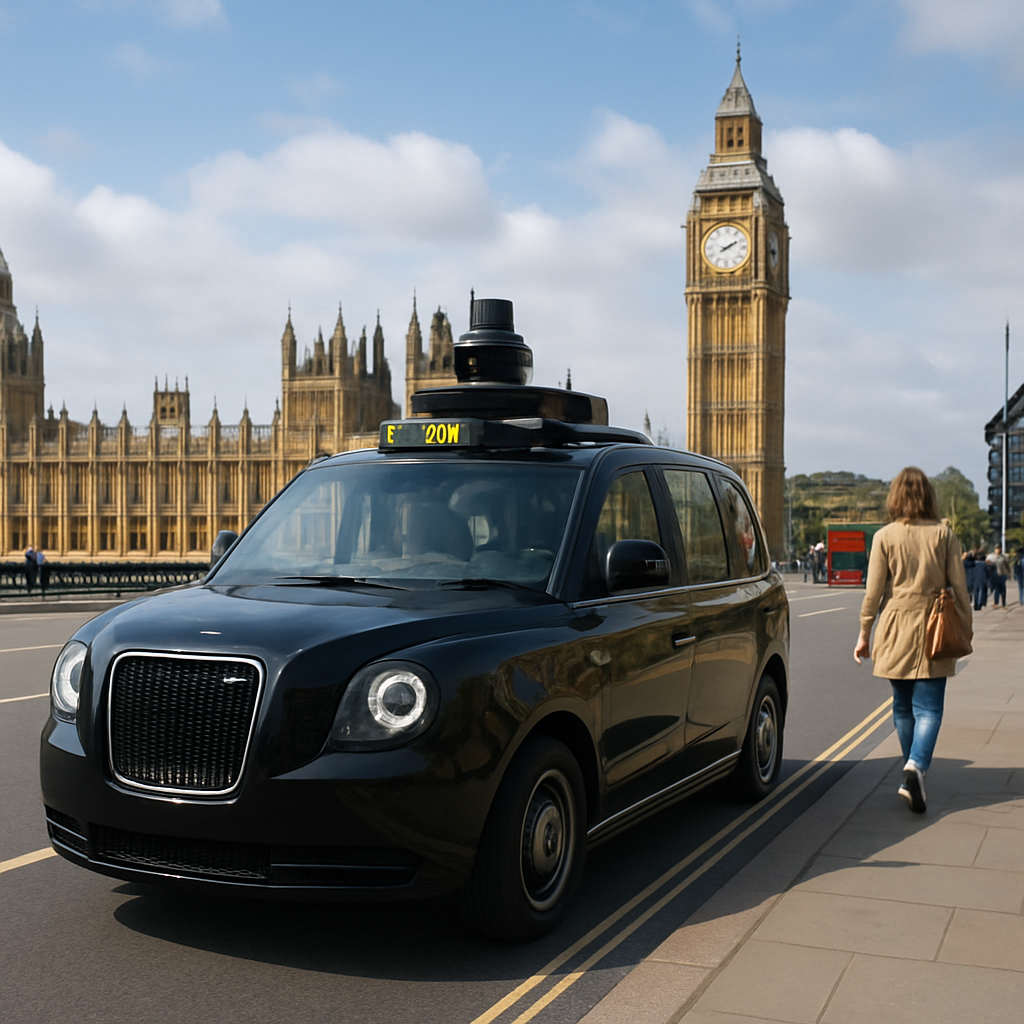
Uber has introduced self-driving taxis in London, marking the first of their kind in the UK. There are currently 15 autonomous vehicles operating in the city, and each one has a human safety driver on board. According to Uber, more than 100,000 London-based passengers showed interest in trying out these robotaxis through a survey.
The robotaxis are priced similarly to regular UberX, Uber Electric, or Uber Comfort rides, with prices clearly shown in advance in the app. A journalist's ride in one of these vehicles was mostly smooth, though the human driver had to intervene briefly when the car faced a complicated situation.
Uber plans to gradually increase the number of self-driving taxis over the coming years. The cars are equipped with technology developed by Wayve, a UK-based company, which allows them to handle real-time situations using artificial intelligence. Wayve's CEO described this technology as 'the space race of our generation', although he admits there are still challenges to overcome.
Safety is a critical concern, prompting the UK government to establish a plan for thorough testing and regulatory approval. Experts stress the importance of understanding the complexities of driving in bustling cities like London, which can present significant challenges for autonomous vehicles.
Original news source: What it's like to ride in Uber's new self-driving taxis in London – BBC News (BBC)
🎧 Listen:
📖 Vocabulary:
Group or Classroom Activities
Warm-up Activities:
1. Have you ever used a ride-sharing service like Uber? Describe your experience.
2. What do you think are the benefits of self-driving technology?
3. How do you feel about autonomous vehicles on the road?
4. Can you think of any potential drawbacks of using self-driving taxis?
5. Imagine what transportation might look like in 10 years. Share your predictions.
🤔 Comprehension Questions:
– Uber has introduced self-driving taxis in London.
– There are currently 15 self-driving taxis.
– The human safety driver is on board to ensure safety and take control if necessary.
– Prices are shown in advance in the app.
– The technology is developed by Wayve.
– Driving complexities and handling busy city environments are significant challenges.
– The UK government has planned thorough testing and regulatory approval processes.
🎧✍️ Listen and Fill in the Gaps:
Uber has introduced taxis in London, marking the first of their kind in the UK. There are 15 vehicles operating in the city, and each one has a human safety on board. According to Uber, more than 100,000 London-based passengers showed interest in trying out these robotaxis through a survey. The robotaxis are priced similarly to regular , Uber Electric, or Uber Comfort , with prices clearly shown in advance in the app. A ride in one of these vehicles was mostly smooth, the human driver had to intervene briefly when the car faced a complicated situation. Uber to gradually the of self-driving taxis over the coming years. The cars are equipped with technology developed by Wayve, a UK-based , which allows them to handle real-time situations using artificial intelligence. Wayve's CEO described this technology as 'the space race of our generation', he admits there are still challenges to overcome. Safety is a critical concern, prompting the UK government to establish a plan for thorough testing and regulatory approval. Experts the importance of understanding the complexities of in cities like London, which can present significant challenges for autonomous vehicles.
💬 Discussion Questions:
1. Do you trust technology enough to ride in a self-driving taxi? Why or why not?
2. What are the potential environmental impacts of autonomous vehicles?
3. How might self-driving cars change city planning and infrastructure?
4. Discuss the ethical considerations of autonomous vehicle technology.
5. How could self-driving taxis affect the job market for drivers?
6. Should governments implement strict regulations on self-driving cars? Why?
7. How do you think self-driving technology could improve road safety?
8. What technological advances do you predict for transportation in the next decade?
9. Will self-driving taxis become the new norm? Debate both sides.
10. How important is it for passengers to know how self-driving technology works?
11. What personal experiences have shaped your views on autonomous vehicles?
12. Would you use self-driving taxis regularly if they became widely available?
Individual Activities
📖💭 Vocabulary Meanings:
Click a dot next to a word, then click the dot next to its meaning to draw a line connecting them.