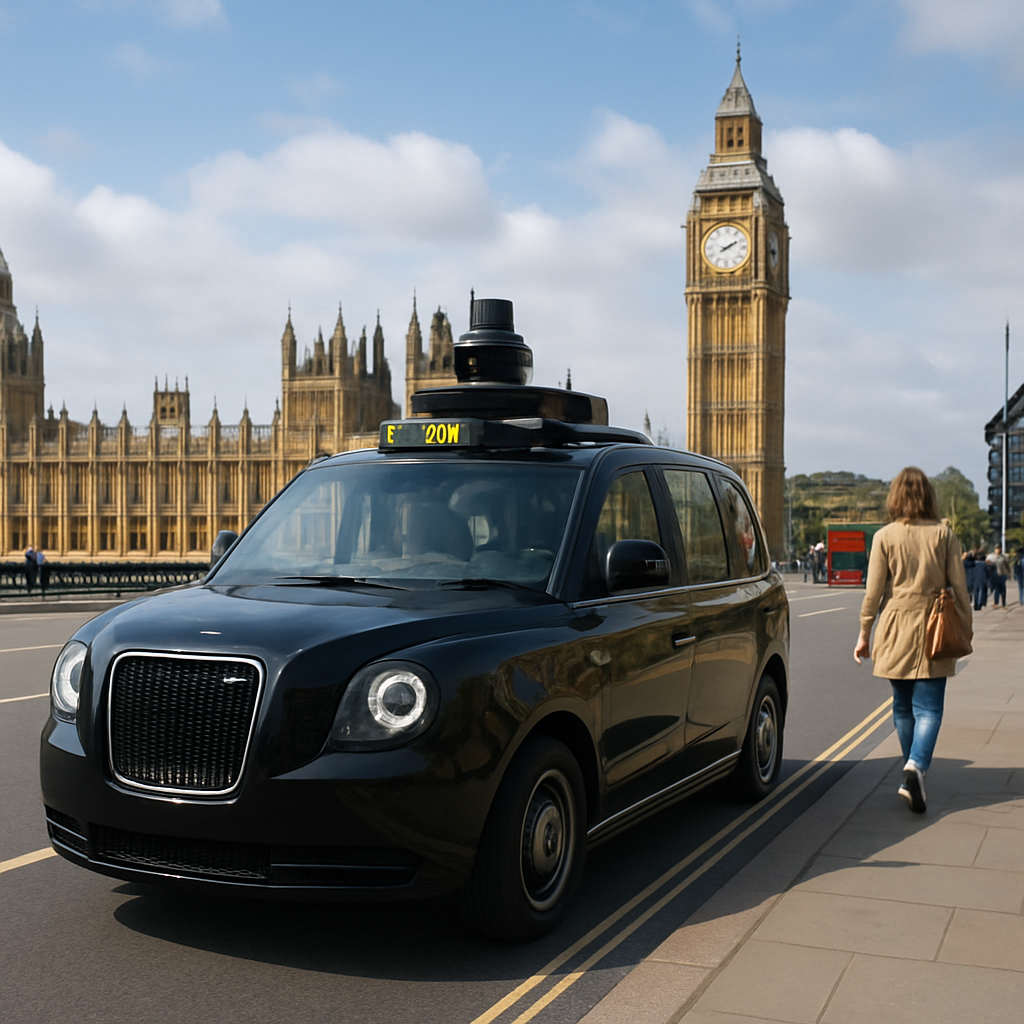
Uber has taken a pioneering step in London by introducing its first self-driving taxis, marking a milestone as the UK’s first operational robotaxis. With just 15 vehicles currently available, these autonomous cars come equipped with a human safety driver, ready to intervene if necessary. Uber revealed that a survey conducted through its app indicated over 100,000 Londoners are eager to try these self-driving services.
The fare for a ride in a robotaxi is comparable to the standard Uber options like UberX, Uber Electric, or Uber Comfort, and customers are shown upfront costs before booking. In a recent trial, a journalist reported that the ride was generally uneventful, but there was an instance where the safety driver had to assume control due to an unexpected obstacle.
The technology used in these vehicles is provided by Wayve, a cutting-edge UK tech firm that has developed AI systems to handle real-time road conditions. Describing their work as 'the space race for our generation,' Wayve's CEO emphasized the innovative nature of their approach to autonomous driving. However, the complexities of navigating a city as bustling and unpredictable as London present ongoing challenges.
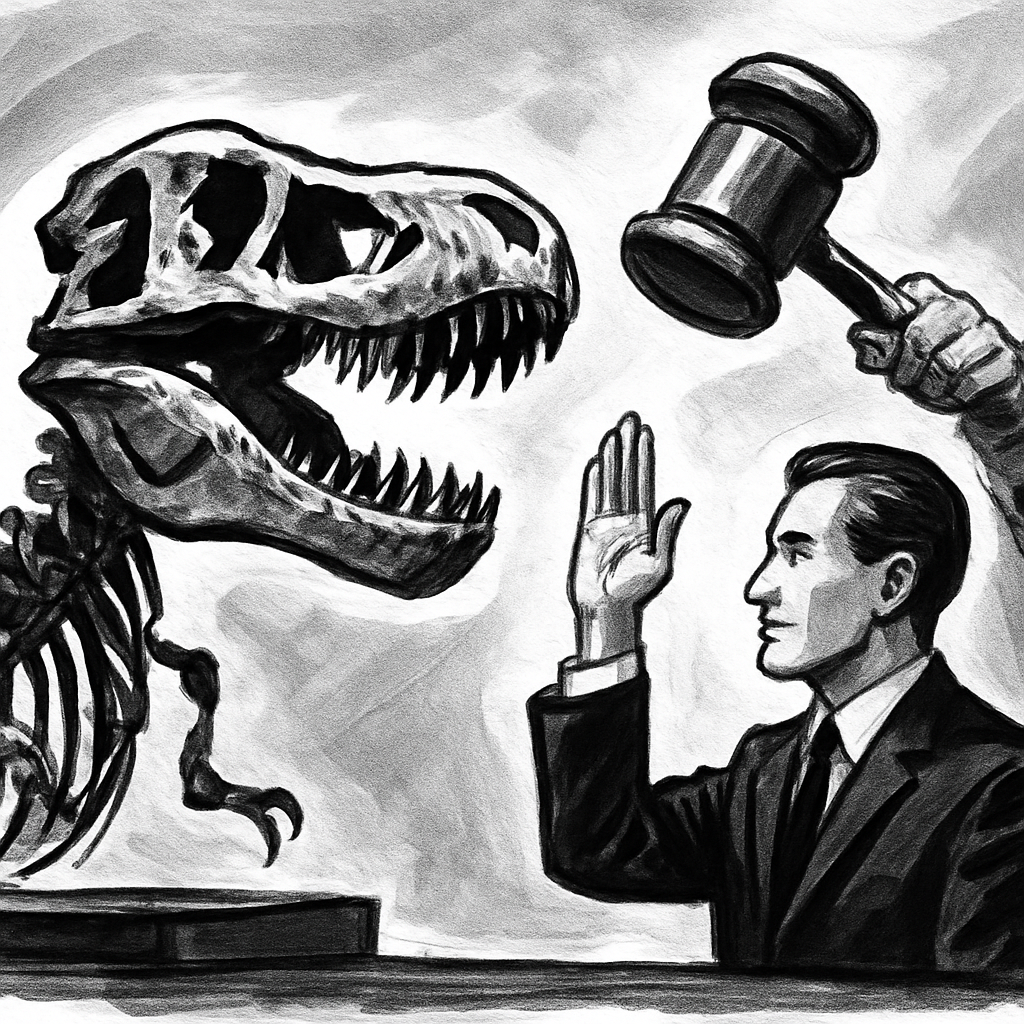
Regulatory bodies like the UK's Department for Transport and Transport for London are involved in meticulous oversight, ensuring these new vehicles meet safety standards before widespread deployment. While autonomous driving technology continues to advance, experts are cautious about potential implications for urban environments and jobs in the transport sector.
The introduction of self-driving taxis represents a significant advancement in mobility technology, with Uber aiming for a gradual increase in use and acceptance. With rivals like Google's Waymo also eyeing UK expansion, the race to perfect autonomous driving services continues, amid discussions on safety, regulation, and the future of urban transport.
Original news source: What it's like to ride in Uber's new self-driving taxis in London – BBC News (BBC)
🎧 Listen:
📖 Vocabulary:
Group or Classroom Activities
Warm-up Activities:
1. Discuss recent technological advancements you are excited about.
2. Share your experience with ride-hailing services like Uber.
3. Debate the pros and cons of self-driving technology.
4. Predict how self-driving cars will change urban transport.
5. Imagine a day in the future where all taxis are autonomous.
🤔 Comprehension Questions:
Uber has introduced its first self-driving taxis, marking a milestone as the UK's first operational robotaxis.
Uber currently operates 15 self-driving vehicles in London.
A human safety driver accompanies each autonomous car to ensure safety.
Over 100,000 Londoners expressed their eagerness to try these services.
A journalist noted that the test ride was uneventful, although the safety driver had to take control due to an unexpected obstacle.
The cars face challenges in navigating London's bustling and unpredictable environment.
The technology is provided by Wayve, a UK-based tech firm.
🎧✍️ Listen and Fill in the Gaps:
Uber has taken a pioneering step in by introducing its self-driving taxis, marking a milestone as the UK’s first operational robotaxis. With just 15 vehicles currently available, these autonomous cars come equipped with a human safety driver, ready to intervene if necessary. Uber revealed that a survey through its app indicated over 100,000 Londoners are eager to try these self-driving services. The fare for a ride in a is comparable to the standard Uber options like UberX, Uber Electric, or Uber Comfort, and customers are shown costs before booking. In a recent , a journalist reported that the ride was generally uneventful, but there was an instance where the safety driver had to assume control due to an unexpected obstacle. The technology used in these is provided by , a cutting-edge UK tech firm that has developed AI systems to handle real-time road conditions. Describing their work as 'the space race for our generation,' Wayve's CEO emphasized the innovative nature of their approach to autonomous driving. However, the complexities of navigating a city as bustling and unpredictable as London present . bodies like the UK's Department for Transport and Transport for London are involved in meticulous , ensuring these new vehicles meet safety standards before widespread deployment. While autonomous driving continues to advance, experts are cautious about potential implications for urban environments and jobs in the transport sector. The introduction of taxis represents a significant in mobility technology, with Uber aiming for a gradual increase in use and acceptance. With rivals like Google's Waymo also UK expansion, the race to perfect autonomous driving services continues, amid discussions on safety, regulation, and the future of urban transport.
💬 Discussion Questions:
1. What are your thoughts on self-driving technology?
2. Would you feel comfortable riding in an autonomous vehicle?
3. How do you think self-driving taxis will impact traditional taxi drivers?
4. What are the safety concerns you have regarding robotaxis?
5. How do you feel about the cost of self-driving taxis being similar to regular options?
6. Do you trust AI to manage real-time road conditions effectively?
7. How important is regulatory oversight in new technologies?
8. In what ways could self-driving cars benefit urban environments?
9. How would you feel about having your data collected by a self-driving car service?
10. What ethical considerations arise with the adoption of autonomous vehicles?
11. Can self-driving technology truly become as reliable as human drivers?
12. How might this technology affect future job markets?
Individual Activities
📖💭 Vocabulary Meanings:
Click a dot next to a word, then click the dot next to its meaning to draw a line connecting them.