


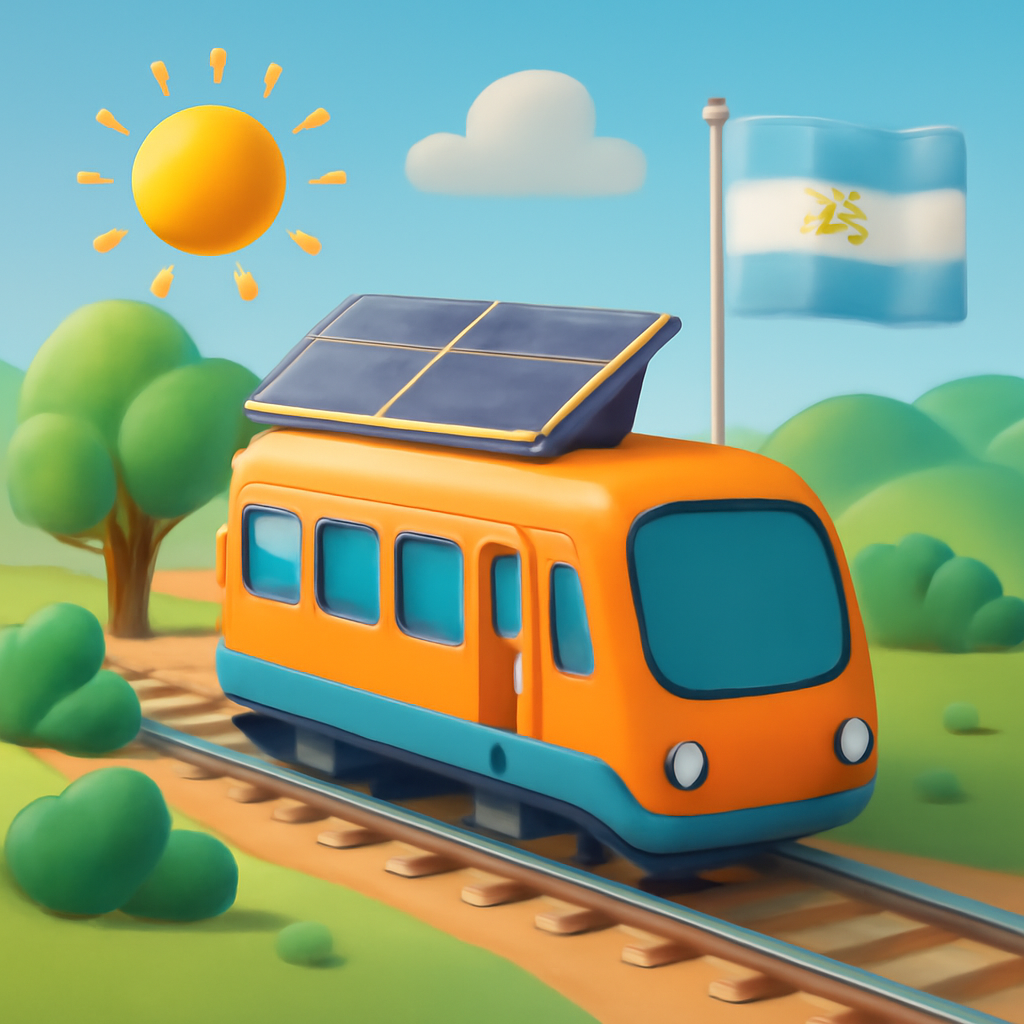
Argentina's first solar-powered train offers an immersive exploration of ancient history and stunning landscapes. Operating through the picturesque Quebrada de Humahuaca, this eco-friendly journey captivates travelers with panoramic views of towering, colorful peaks. The train runs 42 kilometers, stopping at five villages renowned for their rich cultural heritage, rooted in pre-Inca and Inca histories.
Launched in June 2024, the Quebrada Solar Train gives visitors a chance to understand and appreciate local customs and traditions. Each village stop, like Volcán and Tilcara, showcases centuries-old craftsmanship, ranging from hand-spun llama wool goods to traditional cuisine featuring quinoa and goat cheese.
The initiative is more than a scenic ride; it serves a dual purpose by encouraging sustainable tourism and supporting local economies. The train's zero-emission operation aligns with principles of environmental stewardship, while also creating job opportunities and preventing the migration of young residents to larger cities for work.
Tour guides provide fascinating insights into indigenous practices and the history of the region, tracing human activity back over 10,000 years. This initiative underscores the significant role of preserving both natural and cultural heritage, offering travelers a rare opportunity to witness living history amidst breathtaking scenery.
Original news source: Ride Argentina's first solar train through 10,000 years of Indigenous history (BBC)
🎧 Listen:
📖 Vocabulary:
Group or Classroom Activities
Warm-up Activities:
1. What comes to mind when you hear about solar-powered transport?
2. Can you think of ways in which eco-friendly transportation can impact local communities?
3. Have you ever been on a scenic train journey? If so, where?
4. How important is preserving cultural heritage in modern tourism?
5. What unique cultural traditions or crafts have you experienced or learned about?
🤔 Comprehension Questions:
It offers an immersive exploration of ancient history and stunning landscapes.
It operates through the picturesque Quebrada de Humahuaca.
The train runs 42 kilometers.
Tourists can experience craftsmanship, like hand-spun llama wool goods.
The train supports sustainable tourism and local economies.
It was launched in June
Tour guides provide insights into indigenous practices and history.
🎧✍️ Listen and Fill in the Gaps:
Argentina's first solar-powered an immersive exploration of ancient history and stunning landscapes. Operating through the picturesque Quebrada de Humahuaca, this eco-friendly travelers with panoramic views of towering, colorful peaks. The train runs 42 kilometers, stopping at five villages renowned for their rich cultural heritage, rooted in pre-Inca and Inca histories. in June 2024, the Quebrada Solar Train gives visitors a chance to and local customs and traditions. Each village stop, like Volcán and Tilcara, showcases centuries-old craftsmanship, ranging from hand-spun llama wool goods to traditional cuisine quinoa and goat cheese. The initiative is more than a scenic ride; it a dual purpose by encouraging sustainable tourism and supporting economies. The train's zero-emission aligns with principles of environmental , while also creating job opportunities and preventing the migration of young residents to larger cities for work. Tour guides provide fascinating into indigenous practices and the history of the region, tracing human activity back over 10,000 years. This underscores the significant role of preserving both natural and heritage, offering a rare opportunity to witness living history amidst breathtaking scenery.
💬 Discussion Questions:
1. What are the benefits of using renewable energy in public transportation?
2. How do you think technology can help in preserving cultural heritage?
3. Are there any local traditions in your area that you think should be preserved?
4. Why do you think people are moving towards sustainable tourism?
5. How can tourism impact local economies positively and negatively?
6. Would you like to visit a place known for its rich history and culture? Why?
7. What are some challenges of running a zero-emission transportation service?
8. How do you feel about the migration of young individuals from rural to urban areas?
9. What role do guided tours play in enhancing a tourist's experience?
10. In your opinion, what makes a landscape breathtaking?
11. Do you think adopting eco-friendly practices is viable for all industries?
12. How can young people contribute to preserving their cultural heritage?
Individual Activities
📖💭 Vocabulary Meanings:
Click a dot next to a word, then click the dot next to its meaning to draw a line connecting them.