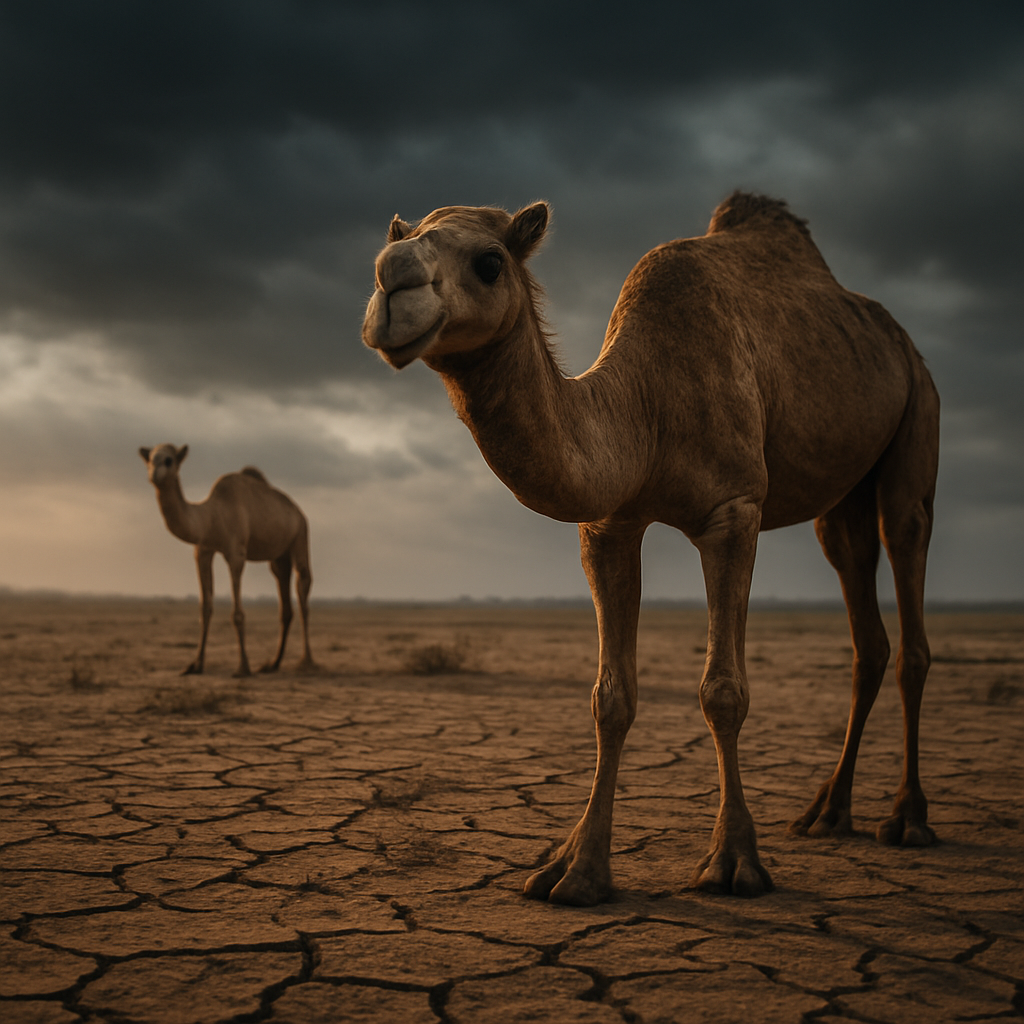
Africa's camel population, revered for its durability in arid conditions, is currently battling a new adversary: rapidly increasing temperatures attributed to climate change. In north-eastern Ethiopia's Afar region, where temperatures often exceed unbearable levels, camel herder Ali Umer recounts the adverse effects of extreme heat on his 500-strong camel herd. Blisters, watery eyes, and skin issues are becoming alarmingly common among these animals.
Furthermore, the environmental changes have depleted essential resources such as water and vegetation, exacerbating the challenges faced by these camels. A 2025 study focusing on Ethiopian camel herders documented dramatic declines in camel health and productivity attributed to weather variability. Ali reports the loss of eight calves in a short span due to the intensified heat, a concern echoed by scientists and animal health experts.
In Somalia, where similar conditions persist, research indicates that nearly 46% of camel-owning households have witnessed rising camel mortalities linked to extended droughts and heatwaves. The mortality crisis is particularly severe in northern districts. The World Meteorological Organization confirms increasing heatwave frequency in North Africa, with some areas surpassing 50°C.
The adverse conditions not only threaten camel health by increasing disease prevalence and reducing milk yields, but they also pressure pastoralists to migrate in search of better conditions. Regions such as northern Kenya report spikes in camel deaths and associated health issues, underscoring a wider regional trend.
As heat stress influences camels' essential biological functions like metabolism and reproduction, immediate interventions are required. Recommendations include strategic water provisioning, supplemental feeding during peak seasons, and enhanced veterinary care to mitigate the severe effects of climate change and support both camels and their human dependents in these vulnerable regions.
Original news source: Africa's camels are dying from extreme heat as temperatures soar – BBC News (BBC)
🎧 Listen:
📖 Vocabulary:
Group or Classroom Activities
Warm-up Activities:
1. Discuss recent experiences with extreme weather in your own country.
2. Share personal stories about encounters with wildlife in different climates.
3. Debate the impact of climate change on animals in your region.
4. Pose a question about how local agriculture adapts to environmental changes.
5. Brainstorm solutions to help animals affected by climate change.
🤔 Comprehension Questions:
The primary challenge is rapidly increasing temperatures.
Environmental changes have depleted essential resources like water and vegetation.
The study documented dramatic declines in camel health and productivity due to weather variability.
They have witnessed rising camel mortalities linked to extended droughts and heatwaves.
Heat stress impacts metabolism and reproduction in camels.
Recommended interventions include strategic water provisioning, supplemental feeding, and enhanced veterinary care.
Northern Kenya reports spikes in camel deaths and associated health issues.
🎧✍️ Listen and Fill in the Gaps:
Africa's camel , revered for its durability in arid conditions, is currently battling a new adversary: rapidly increasing temperatures attributed to change. In north-eastern Ethiopia's Afar region, where temperatures often exceed unbearable levels, camel Ali Umer recounts the adverse of extreme heat on his 500-strong camel herd. Blisters, watery eyes, and skin issues are becoming alarmingly common among these animals. Furthermore, the environmental changes have essential resources such as water and vegetation, exacerbating the faced by these camels. A 2025 study focusing on Ethiopian camel documented dramatic declines in camel health and productivity attributed to variability. Ali reports the loss of eight calves in a short span due to the intensified heat, a concern echoed by scientists and animal health experts. In Somalia, where similar conditions persist, research indicates that 46% of camel-owning households have witnessed rising camel mortalities linked to extended droughts and heatwaves. The mortality crisis is particularly severe in northern districts. The World Meteorological Organization confirms increasing heatwave frequency in North Africa, with some areas surpassing 50°C. The adverse not only camel health by increasing prevalence and reducing milk yields, but they also pressure pastoralists to migrate in search of better conditions. such as northern Kenya report spikes in camel deaths and associated health , underscoring a wider regional trend. As heat stress influences camels' essential biological functions like metabolism and reproduction, immediate interventions are required. include water provisioning, supplemental feeding during peak seasons, and enhanced veterinary care to mitigate the severe effects of climate change and support both camels and their human dependents in these vulnerable regions.
💬 Discussion Questions:
1. How does climate change affect different parts of the world?
2. What measures can be taken globally to reduce the impact of climate change on animals?
3. Have you noticed any changes in animal populations or health in your region?
4. How do traditional agricultural practices need to adapt to changing environments?
5. What is the role of technology in protecting wildlife from climate change?
6. How important is it to preserve the natural habitats of animals?
7. What can individuals do to combat climate change in their daily lives?
8. In what ways do you think government policies influence climate change adaptation?
9. How does climate change impact human communities compared to wildlife?
10. Are there any local initiatives promoting sustainable living in your area?
11. What are the ethical considerations in prioritizing animal welfare in climate policy?
12. Should there be more international cooperation to address climate-related animal issues?
Individual Activities
📖💭 Vocabulary Meanings:
Click a dot next to a word, then click the dot next to its meaning to draw a line connecting them.