


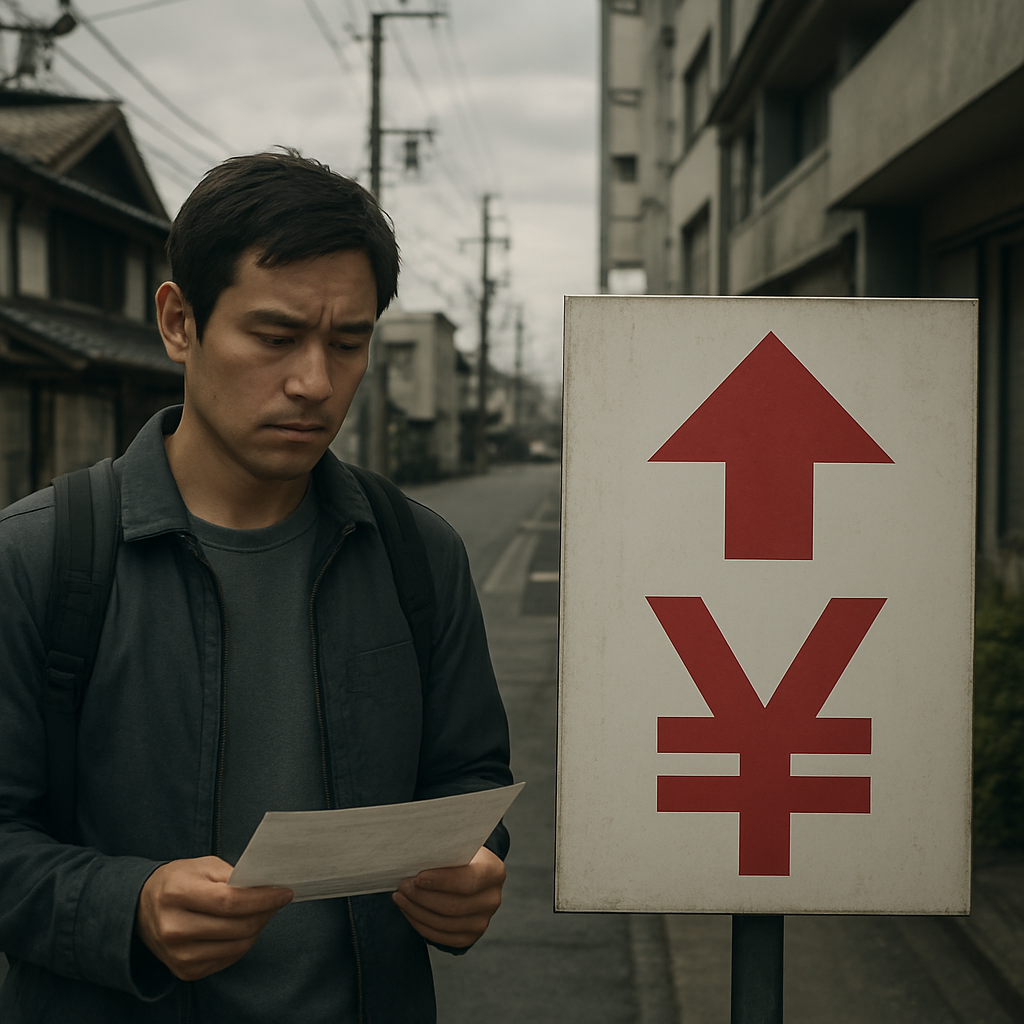
Significant changes to Japan's immigration policy now include a steep twenty-fold increase in fees for foreign nationals seeking permanent residency. The cost has jumped to 200,000 yen, creating urgency and long waits at immigration offices as applicants rushed to secure permits before the new rates took effect. This financial hurdle is compounded by new requirements that mandate stable income, pension contributions, and proficiency in the Japanese language for residency hopefuls.
These sweeping reforms fall under the broader immigration policy overhaul pursued by Prime Minister Sanae Takaichi, aimed at controlling Japan's burgeoning foreign population. Earlier in July, visa fees had already seen a fivefold increase, which the government justified as essential for reflecting current economic conditions. The foreign population in Japan hit a record high of 4.12 million in 2025, spurring policy shifts to manage the inevitable social changes this demographic shift brings.
As Japan grapples with an aging populace, the nation becomes increasingly reliant on foreigners to fill gaps in the labor market, thereby making immigration a politically sensitive yet necessary issue. Public anxiety has mounted over the cultural impact of a growing non-native populace, prompting governmental assurances that the new policies will foster safety and harmony in Japanese society. Nonetheless, the stiffened criteria for residency have drawn criticism as potential deterrents for attracting a talented global workforce.
From April next year, residency applicants will also need to demonstrate pension benefits comparable to those who have contributed to the Japanese employee pension system for three decades, intensifying the pathway to permanent residency. This has already led to increased enrollments at language schools and a rush to pass proficiency tests, as these standards become prerequisites. Despite skepticism from expatriates who see these changes as exclusionary, the government contends they are imperative for ensuring a structured and peaceful integration of foreigners.
The debate continues on the feasibility and fairness of these inflexible requirements. Prime Minister Takaichi recognizes public skepticism, emphasizing that a delicate balance must be struck to make immigrants feel welcome while allaying domestic apprehensions. As the policies solidify, Japan’s strategies towards foreign residents will be pivotal in shaping the country's socio-economic landscape for the coming decades.
Original news source: Japan raises permanent residency fees for foreign nationals by twenty-fold – BBC News (BBC)
🎧 Listen:
📖 Vocabulary:
Group or Classroom Activities
Warm-up Activities:
1. Discuss recent changes in immigration policies in your country.
2. How might increasing fees impact someone's decision to immigrate?
3. List possible benefits and drawbacks of immigrating to a new country.
4. Share any experiences you've had learning a new language as an adult.
5. What factors are most important to you when considering where to live abroad?
🤔 Comprehension Questions:
Japan has increased its fees for foreign nationals seeking permanent residency considerably.
They need to show stable income, pension contributions, and Japanese language proficiency.
Prime Minister Sanae Takaichi is responsible for these reforms.
It reached a record high of 4.12 million in
Japan is dealing with an aging populace which increases the need for foreign workers.
They will need to demonstrate pension benefits comparable to those with long-term contributions.
There is skepticism and criticism among expatriates who see these changes as exclusionary.
🎧✍️ Listen and Fill in the Gaps:
changes to Japan's immigration policy now include a steep twenty-fold increase in fees for foreign nationals seeking permanent residency. The cost has jumped to 200,000 yen, creating urgency and long waits at immigration offices as applicants to secure permits before the new rates took effect. This hurdle is compounded by new requirements that mandate stable income, pension contributions, and proficiency in the Japanese for residency hopefuls. These sweeping reforms fall under the broader immigration policy overhaul pursued by Prime Minister Sanae Takaichi, aimed at controlling Japan's burgeoning foreign population. Earlier in July, visa fees had already seen a fivefold increase, which the government justified as essential for reflecting current economic conditions. The foreign population in Japan hit a high of 4.12 million in 2025, spurring policy shifts to manage the inevitable social changes this demographic shift brings. As Japan grapples with an aging , the becomes increasingly reliant on foreigners to fill gaps in the labor market, thereby making immigration a politically sensitive yet necessary issue. Public has mounted over the cultural impact of a growing non-native populace, governmental assurances that the new policies will foster safety and harmony in society. Nonetheless, the stiffened criteria for residency have drawn criticism as potential deterrents for attracting a talented global workforce. From next year, residency will also need to demonstrate pension benefits comparable to those who have contributed to the Japanese employee pension system for three decades, intensifying the pathway to permanent residency. This has already led to increased enrollments at language schools and a rush to pass proficiency tests, as these standards become prerequisites. skepticism from expatriates who see these changes as exclusionary, the government contends they are imperative for ensuring a structured and peaceful integration of foreigners. The debate continues on the feasibility and fairness of these inflexible . Prime Minister Takaichi recognizes public skepticism, emphasizing that a delicate balance must be struck to make immigrants feel welcome while allaying domestic apprehensions. As the policies solidify, Japan’s towards foreign residents will be pivotal in shaping the country's socio-economic landscape for the coming .
💬 Discussion Questions:
1. How do changes in immigration policy reflect a country's economic and social needs?
2. What are the potential benefits of a multicultural society?
3. In what ways can governments balance national interests with welcoming immigrants?
4. How might increased costs affect the demographics of a country's immigrant population?
5. What role do language and cultural assimilation play in successful immigration?
6. Why might higher residency criteria be seen as exclusionary?
7. How does aging populations influence immigration policy?
8. What measures could mitigate public anxiety over a rising foreign population?
9. Do you think permanent residency should be more accessible for skilled workers?
10. How significant is the cultural impact of a growing immigrant population?
11. Should countries prioritize economic contributions in their immigration policies?
12. How important are pension benefits for immigrants' long-term integration?
Individual Activities
📖💭 Vocabulary Meanings:
Click a dot next to a word, then click the dot next to its meaning to draw a line connecting them.