

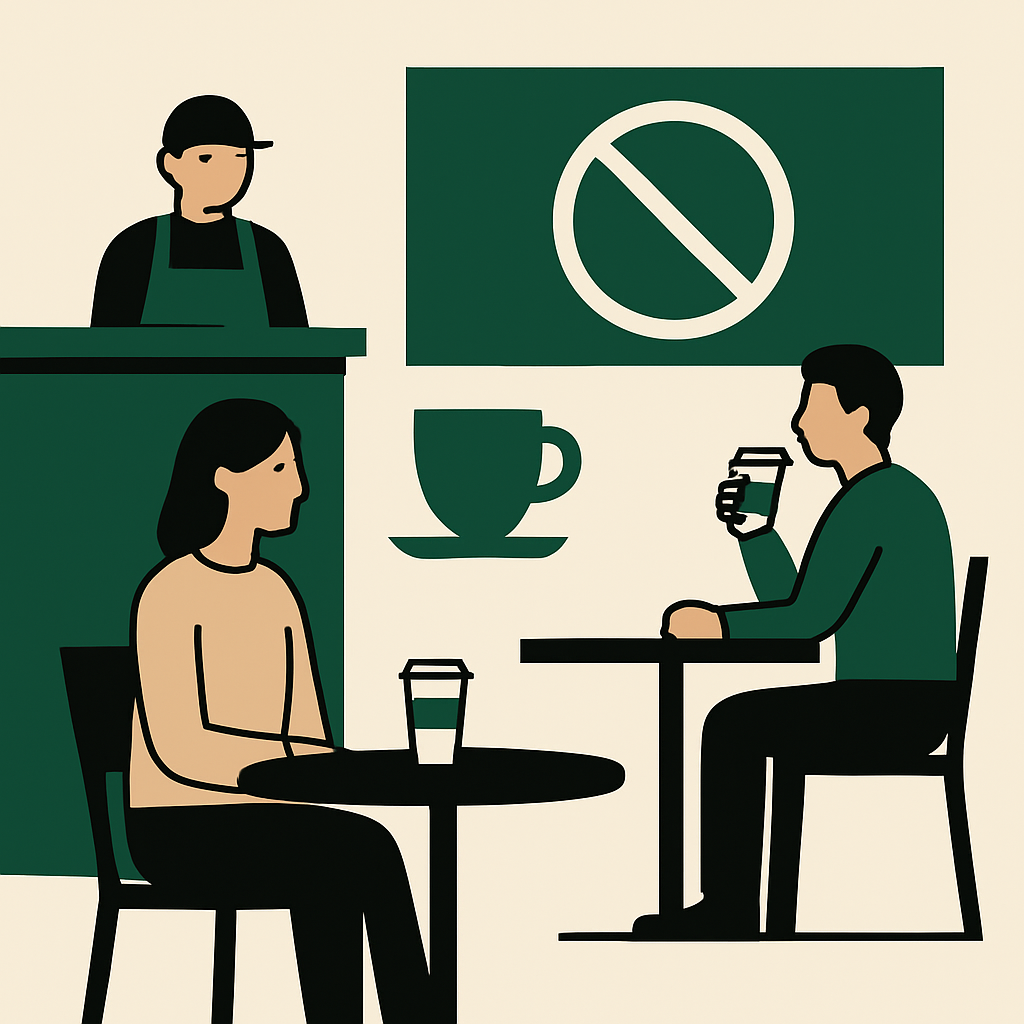
Starbucks in China has rolled out a policy mandating that customers must purchase an item to access seating in their stores. Set to take effect on Thursday, this measure impacts all 8,000 Starbucks locations nationwide. Aimed at enhancing the in-store experience, the policy seeks to ensure that paying customers have adequate access to seating within their cafes.
This new measure comes amidst growing competition from local coffee chains like Luckin Coffee, which overshadow Starbucks with lower prices and efficient app-based services. As Starbucks contends with non-paying individuals occupying space, similar policy shifts have been seen in other regions, like North America and South Korea. Social media reactions in China largely support the change, lauding it as a step towards a more enjoyable coffeehouse atmosphere.
Historically, Starbucks has advocated an open-seating policy, but this has sometimes led to overcrowding by non-customers, thereby deteriorating the experience for paying customers. The company has observed similar issues in various global markets, leading to a gradual shift in strategy over recent years. The decision to implement this change in China reflects efforts to preserve their brand's reputation of offering a comfortable setting for customers who purchase their products.
In addition to the seating policy, Starbucks China plans to make significant investments to offset the impacts of peak-hour rushes, including augmenting staff levels and upgrading digital systems in their stores. This multifaceted approach also aligns with their objective to maintain swift and warm service, countering the rising competition while fostering brand loyalty.
By reinforcing these changes, Starbucks aims to safeguard the in-store atmosphere that is integral to its identity, ensuring it remains conducive to enjoyment and productivity for customers who patronize their cafes. As Starbucks continues to navigate challenges in the competitive coffee market, such strategic policy adjustments play a crucial role in maintaining their position as a leading coffee chain in China.
Original news source: No order, no seat: Starbucks China rolls out new store policy – BBC News (BBC)
🎧 Listen:
📖 Vocabulary:
Group or Classroom Activities
Warm-up Activities:
1. Discuss how competition can impact a company's policies.
2. Share your experiences with crowded cafes or restaurants.
3. Talk about the importance of customer feedback for businesses.
4. Explain how digital advancements can improve customer service.
5. Debate the effects of policy changes on brand loyalty.
🤔 Comprehension Questions:
Customers must purchase an item to access seating.
Due to growing competition from local coffee chains.
They largely support the change.
It sometimes led to overcrowding by non-customers.
Increasing staff levels and upgrading digital systems.
Safeguard the in-store atmosphere for customers.
To maintain their position as a leading coffee chain in China.
🎧✍️ Listen and Fill in the Gaps:
Starbucks in has rolled out a policy mandating that customers must purchase an item to access seating in their stores. Set to take effect on Thursday, this measure impacts all 8,000 Starbucks locations nationwide. Aimed at enhancing the , the policy seeks to ensure that paying customers have adequate access to seating within their . This new measure comes amidst growing competition from local coffee chains like Luckin Coffee, which overshadow Starbucks with lower prices and efficient services. As contends with non-paying individuals occupying space, similar policy shifts have been seen in other , like North America and South Korea. Social media reactions in China largely support the change, it as a step towards a more enjoyable coffeehouse atmosphere. Historically, Starbucks has advocated an open-seating policy, but this has sometimes led to overcrowding by non-customers, thereby deteriorating the experience for paying customers. The company has observed similar issues in global markets, leading to a gradual shift in strategy over recent years. The decision to this change in China reflects efforts to preserve their brand's reputation of offering a comfortable setting for customers who purchase their products. In addition to the seating policy, Starbucks China plans to make significant investments to offset the impacts of peak-hour rushes, including augmenting staff levels and systems in their stores. This multifaceted approach also aligns with their objective to maintain swift and warm service, countering the rising competition while fostering loyalty. By reinforcing these changes, Starbucks aims to safeguard the in-store atmosphere that is integral to its identity, ensuring it remains to enjoyment and productivity for customers who patronize their cafes. As Starbucks continues to navigate challenges in the coffee market, such policy adjustments play a crucial role in maintaining their position as a leading coffee chain in China.
💬 Discussion Questions:
1. What do you think about the idea of mandatory purchases for seating?
2. How do you feel when a public space is overcrowded?
3. In your opinion, how important is customer experience for a brand?
4. Have you ever stopped going to a place due to overcrowding?
5. What strategies should companies use to maintain customer loyalty?
6. How can social media influence a company's business decisions?
7. What role does technology play in shaping customer service today?
8. Should companies always respond to their competition? Why or why not?
9. How would you react to similar policies in your favorite cafe?
10. What can businesses do to handle peak-hour rushes effectively?
11. Do you think the new policy will affect Starbucks' popularity? Why?
12. What factors can lead to deteriorating customer experiences?
Individual Activities
📖💭 Vocabulary Meanings:
Click a dot next to a word, then click the dot next to its meaning to draw a line connecting them.