

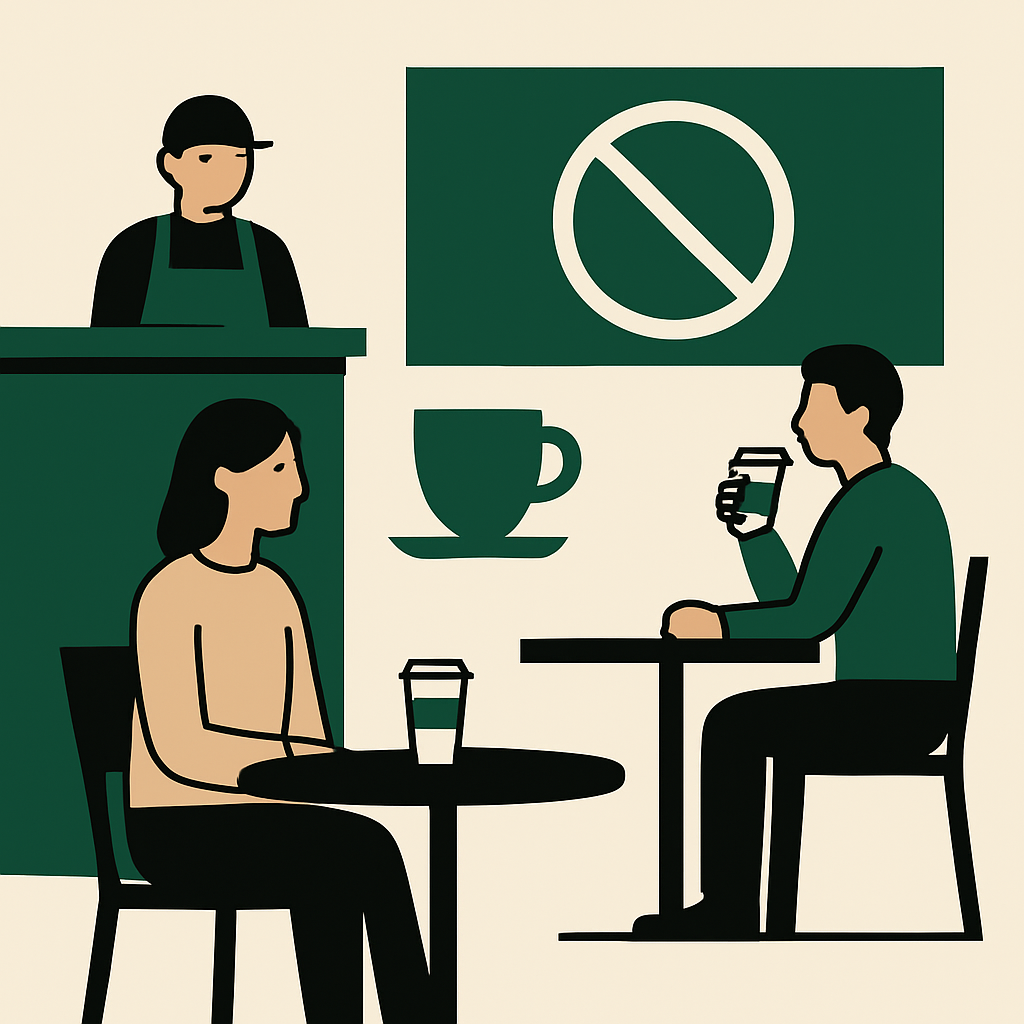
Starbucks China has introduced a new policy that requires customers to make a purchase before sitting in their cafes. This decision comes into effect Thursday and applies to all 8,000 of its store locations. The company's aim is to enhance the "in-store experience" for its paying customers by ensuring they have access to seating.
The move follows issues the company has encountered with non-purchasing individuals occupying seats, a problem not unique to China but prevalent worldwide. As competition heats up from local brands like Luckin Coffee, Starbucks is keen to maintain its model that promotes a relaxed, full cafe experience. Reactions on Chinese social media have been mostly supportive, welcoming the new rule.
Starbucks has previously made similar changes in markets such as North America and South Korea. In these regions, they have focused on encouraging patrons to make purchases to prioritize seating for those who support the business financially. These efforts will help Starbucks remain competitive while ensuring customers experience a more comfortable stay.
Additionally, to cope with peak times, Starbucks announced plans to increase staffing and improve their digital services within their stores. This strategy aims to maintain the quality of service and customer satisfaction even during busy periods, further supporting their commitment to enhancing the customer experience.
Original news source: No order, no seat: Starbucks China rolls out new store policy – BBC News (BBC)
🎧 Listen:
📖 Vocabulary:
Group or Classroom Activities
Warm-up Activities:
1. How often do you visit cafes, and what do you usually do there?
2. Have you ever had trouble finding a seat in a cafe?
3. What are your thoughts on cafes requiring customers to make a purchase?
4. How do you think such policies might affect people who like to work in cafes?
5. Can you name some popular cafe chains in your country?
🤔 Comprehension Questions:
Starbucks China requires customers to make a purchase before sitting in their cafes.
The policy aims to enhance the in-store experience for paying customers by ensuring access to seating.
The reaction on Chinese social media has been mostly supportive.
Similar changes were made in North America and South Korea.
The goal is to maintain quality service and customer satisfaction during busy periods.
Luckin Coffee is mentioned as competition.
Starbucks hopes customers will have a more comfortable and enhanced stay.
🎧✍️ Listen and Fill in the Gaps:
Starbucks China has introduced a new policy that requires customers to make a purchase before sitting in their cafes. This decision comes into Thursday and applies to all 8,000 of its store . The company's aim is to enhance the " experience" for its customers by ensuring they have access to seating. The move follows issues the company has encountered with non-purchasing individuals seats, a problem not unique to but worldwide. As competition heats up from local brands like Luckin Coffee, Starbucks is keen to maintain its model that promotes a relaxed, full cafe experience. Reactions on social media have been mostly , the new rule. has previously made similar changes in such as North America and South Korea. In these regions, they have focused on encouraging patrons to make purchases to prioritize seating for those who support the business financially. These efforts will help Starbucks remain competitive while customers experience a more comfortable stay. Additionally, to cope with peak , Starbucks announced plans to staffing and improve their digital services within their stores. This strategy aims to maintain the quality of service and customer satisfaction even during busy periods, supporting their commitment to enhancing the customer experience.
💬 Discussion Questions:
1. How important is the availability of seating when you choose a cafe?
2. Do you think the new Starbucks policy is fair? Why or why not?
3. How would you feel if a favorite local cafe adopted a similar policy?
4. Can you think of any other ways cafes can improve the customer experience?
5. What would you do if you were in a cafe without making a purchase, and they asked you to leave?
6. How do digital services enhance your experience in cafes?
7. What role do cafes play in social and community life where you live?
8. Has a busy cafe ever affected your mood or experience? How so?
9. How do you think competition affects large chains like Starbucks?
10. Would you prefer a quieter or busier atmosphere in cafes? Why?
11. When choosing a cafe, do you care more about the drinks, the atmosphere, or something else?
12. How does the availability of Wi-Fi impact your choice in cafes?
Individual Activities
📖💭 Vocabulary Meanings:
Click a dot next to a word, then click the dot next to its meaning to draw a line connecting them.