

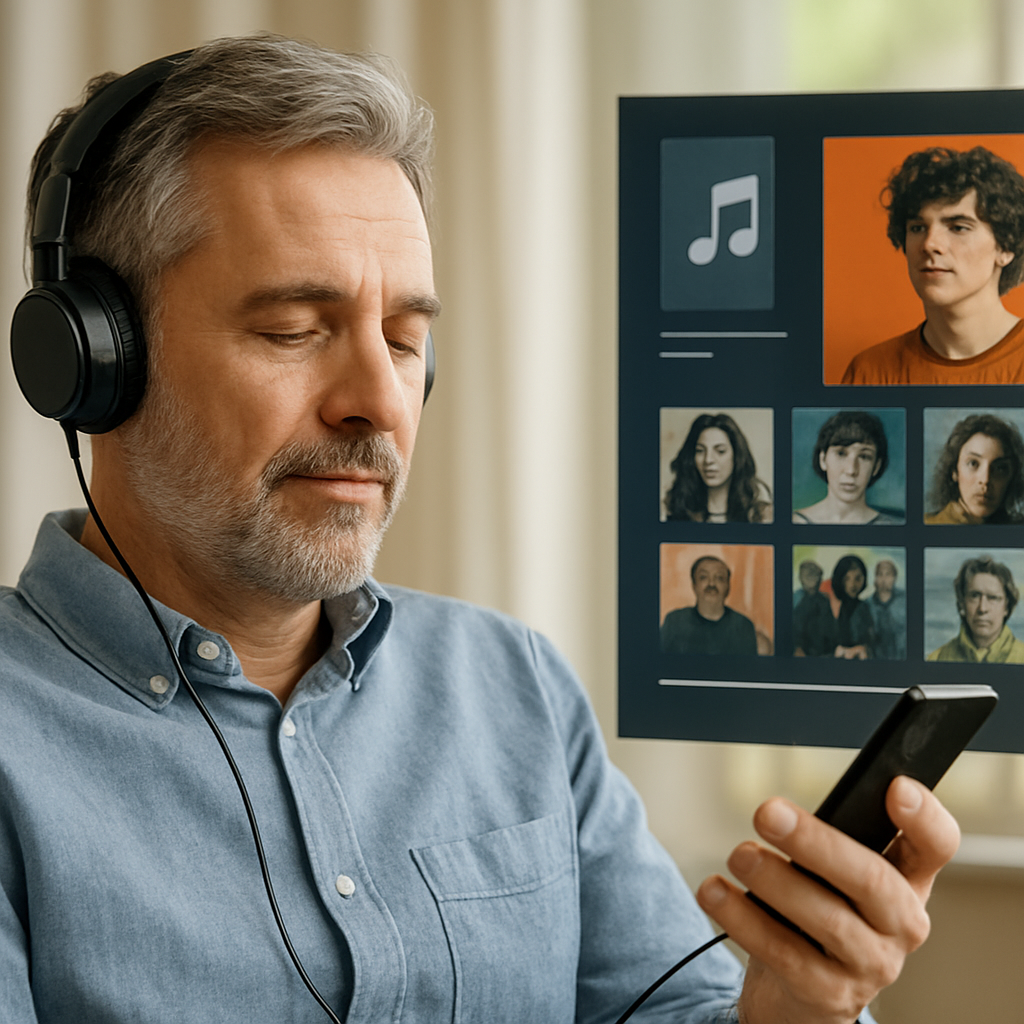
In recent years, there has been a noticeable shift in music streaming habits favoring older songs over newer ones. Research from music services such as Spotify and Deezer indicates that while a staggering number of new tracks—over 100,000 daily—are submitted, older hits from previous decades are dominating playlists and charts. This preference is partly attributed to listeners' inclination for nostalgia, seeking familiar tracks that evoke personal memories.
Statistics reveal startling figures: Nearly two-thirds of streamed music comes from songs released over five years ago. Industry authorities note a consistent pattern in which "deep catalogue" works, a term referring to music that's been available for a substantial period, outperform recent releases. The trend persists in major markets like the UK and US, where legendary tracks and timeless anthems overshadow potential contemporary classics.
Compounding this is the prolific use of automated playlisting via AI, potentially reinforcing existing listening biases by promoting similar sounding tracks. Experts caution that AI-driven tools might result in echo chambers, limiting exposure to diverse or avant-garde music. Advanced algorithms often prioritize tracks matching an individual's listening history, hindering the introduction of fresh and innovative music.
The music industry faces a dual challenge: sustaining the commercial allure of its hits while fostering ecosystems for burgeoning artists. For new talents, platforms like TikTok may offer ephemeral recognition but struggle to maintain enduring artist-fan connections, crucial as the music landscape evolves. Current efforts by prominent streaming services aim to mitigate this by promoting "tomorrow's artists," yet breakthroughs remain limited, positioning the sector at an introspective crossroads.
Major music entities, alongside initiatives like Sofar Sounds, are actively seeking solutions, encouraging real-world music engagement opposed to passive digital consumption. As the landscape adapts, the industry might need to recalibrate, ensuring that both timeless pieces and emerging talent find harmonized avenues for co-existence within the streaming era.
Original news source: Music streaming: Why we're listening to so many old songs – BBC News (BBC)
🎧 Listen:
📖 Vocabulary:
Group or Classroom Activities
Warm-up Activities:
1. Discuss the importance of nostalgia in people's music preferences.
2. Analyze the possible impacts of AI on the music industry.
3. Share your favorite song from more than five years ago and why you love it.
4. Debate the role of streaming services in shaping musical taste.
5. Reflect on how music consumption has changed since your childhood.
🤔 Comprehension Questions:
Listeners are gravitating towards older songs more than newer ones.
Over 100,000 new tracks are submitted each day.
The UK and US are experiencing this trend.
They promote similar sounding tracks and may create echo chambers by limiting diverse music exposure.
TikTok offers ephemeral recognition but struggles to maintain long-term fan connections.
They are encouraging real-world music engagement.
The industry faces the challenge of sustaining hit music's allure while supporting new artist ecosystems.
🎧✍️ Listen and Fill in the Gaps:
In recent years, there has been a noticeable shift in music streaming habits favoring songs over newer ones. from music services such as Spotify and Deezer indicates that while a staggering number of new tracks—over 100,000 daily—are submitted, older hits from previous decades are dominating playlists and charts. This preference is partly attributed to listeners' inclination for nostalgia, seeking familiar tracks that evoke personal memories. Statistics reveal startling figures: two-thirds of music comes from songs released over five ago. Industry authorities note a consistent pattern in which "deep " works, a term referring to music that's been available for a substantial period, outperform recent . The trend persists in markets like the UK and US, where legendary tracks and timeless anthems overshadow potential contemporary classics. Compounding this is the prolific use of automated playlisting via AI, potentially reinforcing existing listening biases by promoting similar sounding tracks. Experts caution that AI-driven tools might result in echo , limiting exposure to diverse or avant-garde music. Advanced algorithms often prioritize tracks an individual's listening history, hindering the introduction of fresh and innovative music. The music industry faces a dual challenge: sustaining the commercial allure of its hits while fostering for burgeoning artists. For new talents, platforms like TikTok may offer ephemeral recognition but struggle to maintain enduring artist-fan , crucial as the music landscape evolves. Current efforts by prominent streaming services aim to mitigate this by promoting "tomorrow's artists," yet breakthroughs remain limited, positioning the sector at an crossroads. Major music entities, alongside initiatives like Sofar Sounds, are actively , encouraging real-world music engagement opposed to digital consumption. As the landscape adapts, the industry might need to recalibrate, ensuring that both timeless pieces and emerging talent find harmonized avenues for co-existence within the streaming era.
💬 Discussion Questions:
1. Why do you think older music remains popular among listeners?
2. How does technology influence your music discovery and listening habits?
3. Is the rise of AI in the music industry a positive development? Why or why not?
4. What challenges do new artists face in the current music streaming era?
5. Can TikTok serve as a launching pad for long-term music careers?
6. How important is it for streaming services to promote new artists?
7. In what ways can the music industry support diverse musical styles?
8. Discuss the advantages of real-world music engagement over digital consumption.
9. How do you see the music industry evolving in the next decade?
10. Are there any genres of music that you think are underrepresented?
11. What measures could help mitigate the echo chamber effect in music streaming?
12. How do you personally discover new music, and how does it differ from the past?
Individual Activities
📖💭 Vocabulary Meanings:
Click a dot next to a word, then click the dot next to its meaning to draw a line connecting them.