

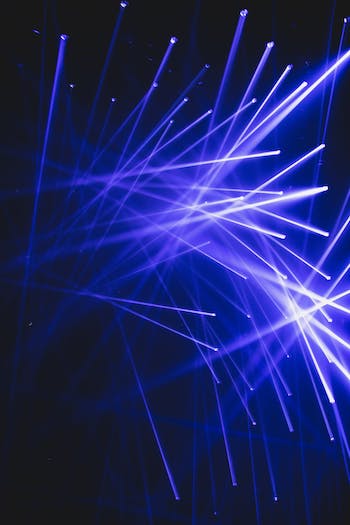
Making blue LEDs was really hard because it was difficult to make the special material they need, called gallium nitride, without any problems. But blue LEDs are important because they help make other colors on displays and they can also be used to make white lights. Scientists are always trying to make LED technology better. Some researchers at Stanford University are trying out LEDs made from perovskite crystals. These LEDs are cheap to make and can be changed to different colors. But they still need to figure out how to make them more stable.
In Japan, researchers made a blue LED that only needs one AA battery to work. Usually, blue LEDs need 4 volts to work, but this one only needs 1.47 volts. They were able to do this by finding a way to make the excited parts of the LED work together better to make more light. People are also looking into using LED technology for virtual reality and augmented reality devices. These devices need really bright LEDs to make clear pictures. Companies are trying to make micro LEDs that are even smaller than the ones we have now, so they can make devices that are even smaller and work better.
LED technology is always getting better, and scientists are always trying to do new things with it. There's still a lot of room to grow and improve in the world of LEDs, and they can be used in many different ways. From big stadiums to famous buildings to personal devices, LEDs have changed the way we see and enjoy light and visual entertainment.
Original news source: The incredible power of blue LEDs (BBC)
📖 Vocabulary:
Group or Classroom Activities
Warm-up Activities:
– News Summary
Instructions:
1. Divide the class into pairs or small groups.
2. Give each group a copy of the article.
3. Instruct the groups to read the article together and summarize the main points in a short news summary.
4. After they have finished, have each group share their news summary with the class.
– Word Association
Instructions:
1. Write the word "LED" on the board.
2. Instruct the students to brainstorm as many words or phrases associated with LED technology as they can in one minute.
3. After one minute, have the students share their words or phrases with the class.
4. As a class, discuss the different associations and connections made with LED technology.
– Opinion Poll
Instructions:
1. Write the question "Do you think LED technology has had a positive impact on society?" on the board.
2. Have the students individually think about their answer to the question.
3. Divide the class into small groups and instruct them to discuss their opinions and reasons for their answers.
4. After the group discussion, have each group share their opinions with the class.
5. Facilitate a class discussion where students can respond to and challenge each other's opinions.
– Vocabulary Pictionary
Instructions:
1. Write a list of vocabulary words from the article on individual slips of paper.
2. Divide the class into pairs.
3. Instruct one student from each pair to pick a slip of paper with a vocabulary word.
4. The student must draw a picture to represent the word without using any letters or numbers.
5. The other student in the pair must guess the vocabulary word based on the drawing.
6. After each pair has had a turn, have a class discussion to review the definitions and meanings of the vocabulary words.
– Future Predictions
Instructions:
1. Instruct the students to imagine and discuss how LED technology might continue to evolve and be used in the future.
2. Divide the class into small groups and give them time to brainstorm and discuss their ideas.
3. After the group discussion, have each group share their future predictions with the class.
4. Facilitate a class discussion where students can respond to and build upon each other's predictions.
🤔 Comprehension Questions:
Blue LEDs were invented in the 1990s.
Blue LEDs are used in stadiums, famous buildings, and even in visual entertainment like light shows.
Blue LEDs were difficult to make because it was hard to create the special material they needed, called gallium nitride, without any problems.
Blue LEDs made from perovskite crystals are cheaper to make and can be changed to different colors. However, they still need to figure out how to make them more stable.
Researchers in Japan made a blue LED that only needs one AA battery to work by finding a way to make the excited parts of the LED work together better to produce more light.
Virtual reality and augmented reality devices are devices that create a simulated or enhanced version of reality, allowing users to experience a different world or add virtual elements to the real world.
Companies are trying to make micro LEDs because they are even smaller than the ones we have now, which means they can make devices that are smaller and work better, especially for virtual reality and augmented reality devices.
LEDs have changed the way we see and enjoy light and visual entertainment by allowing for brighter and more vibrant displays in stadiums, famous buildings, and personal devices. They have also made it possible to create exciting light shows, enhancing the experience of watching events.
🎧✍️ Listen and Fill in the Gaps:
Blue LEDs have changed the way we use s and enjoy visual entertainment. They were invented in the 1990s and are now used in stadiums, famous buildings, and even the Las Sphere. These special , called LEDs, make it possible to create exciting light shows that make events even more fun. LED technology has improved a lot since it first started. Engineers have made LEDs that give off more light, so they can be used in big places like stadiums. Making blue LEDs was really hard because it was difficult to make the special material they need, called gallium nitride, without any problems. But blue LEDs are important because they help make other colors on displays and they can also be used to make lights. Scientists are always trying to make LED technology better. Some researchers at University are trying out LEDs made from perovskite crystals. These LEDs are cheap to make and can be to colors. But they still need to figure out how to make them more stable. In Japan, researchers made a blue LED that only needs one AA battery to work. Usually, blue LEDs need 4 volts to work, but this one only needs 1.47 volts. They were able to do this by a way to make the excited parts of the LED work together better to make more light. People are also into using LED technology for virtual reality and augmented reality . These devices need really bright LEDs to make clear . Companies are trying to make micro LEDs that are even smaller than the ones we have now, so they can make devices that are even smaller and work . LED is always getting better, and scientists are always trying to do new with it. There's still a lot of room to grow and in the world of LEDs, and they can be used in many different ways. From big stadiums to famous buildings to personal devices, LEDs have changed the way we see and enjoy light and visual entertainment.
💬 Discussion Questions:
1. What is a blue LED and how is it different from other lights?
2. How would you feel if you could watch a light show using blue LEDs?
3. Do you like the idea of using blue LEDs in stadiums and famous buildings? Why or why not?
4. Do you think it is important for scientists to continue improving LED technology? Why or why not?
5. What do you think about the idea of using LEDs made from perovskite crystals? Do you think they will be successful?
6. How would you feel if you could use a blue LED device with just one AA battery?
7. Do you think LED technology has improved our enjoyment of visual entertainment? Why or why not?
8. What do you think about the idea of using LED technology in virtual reality and augmented reality devices?
9. How would you feel if you could have a device with even smaller micro LEDs? Why or why not?
10. Do you think there are any downsides to using LED technology? Why or why not?
11. What other ways do you think LEDs could be used in the future?
12. How would you feel if you could have LED lights in your home that change colors?
13. Do you think LED technology will continue to improve in the future? Why or why not?
14. What do you think about the idea of using LED lights for personal devices?
15. How has LED technology changed the way we see and enjoy light and visual entertainment?
Individual Activities
📖💭 Vocabulary Meanings:
Click a dot next to a word, then click the dot next to its meaning to draw a line connecting them.
Words
Meanings
🔡 Multiple Choice Questions:
🕵️ True or False Questions:
📝 Write a Summary:
Write a summary of this news article in two sentences.
Check your writing now with the best free AI for English writing!