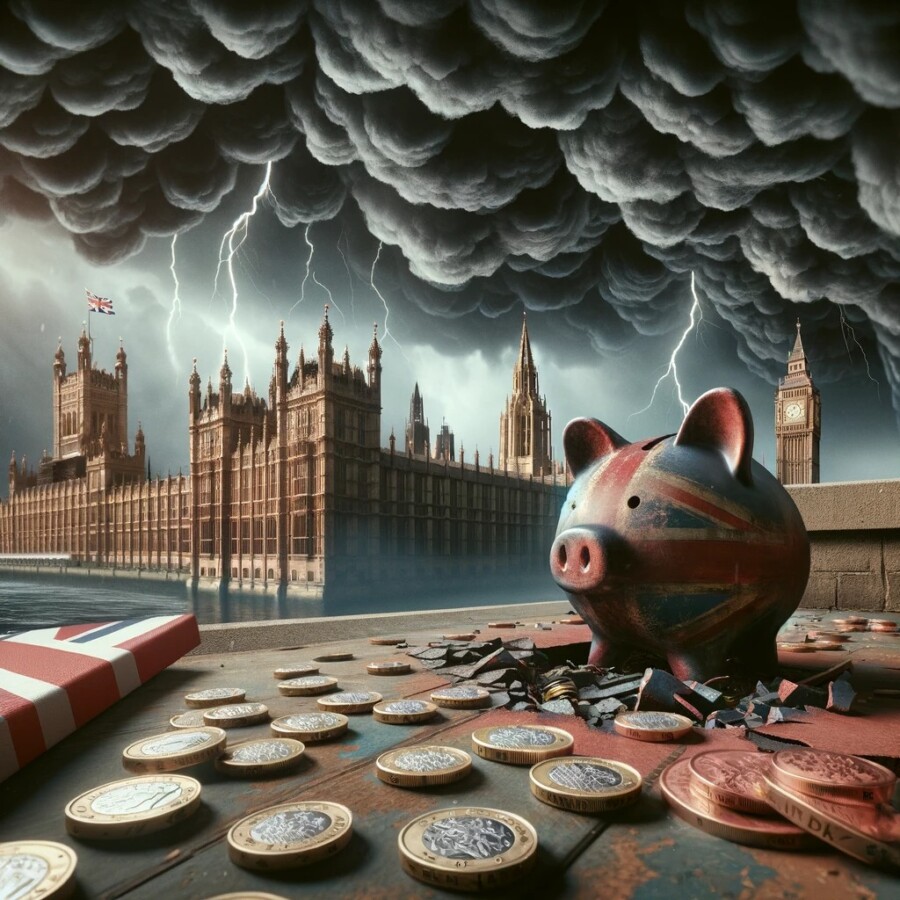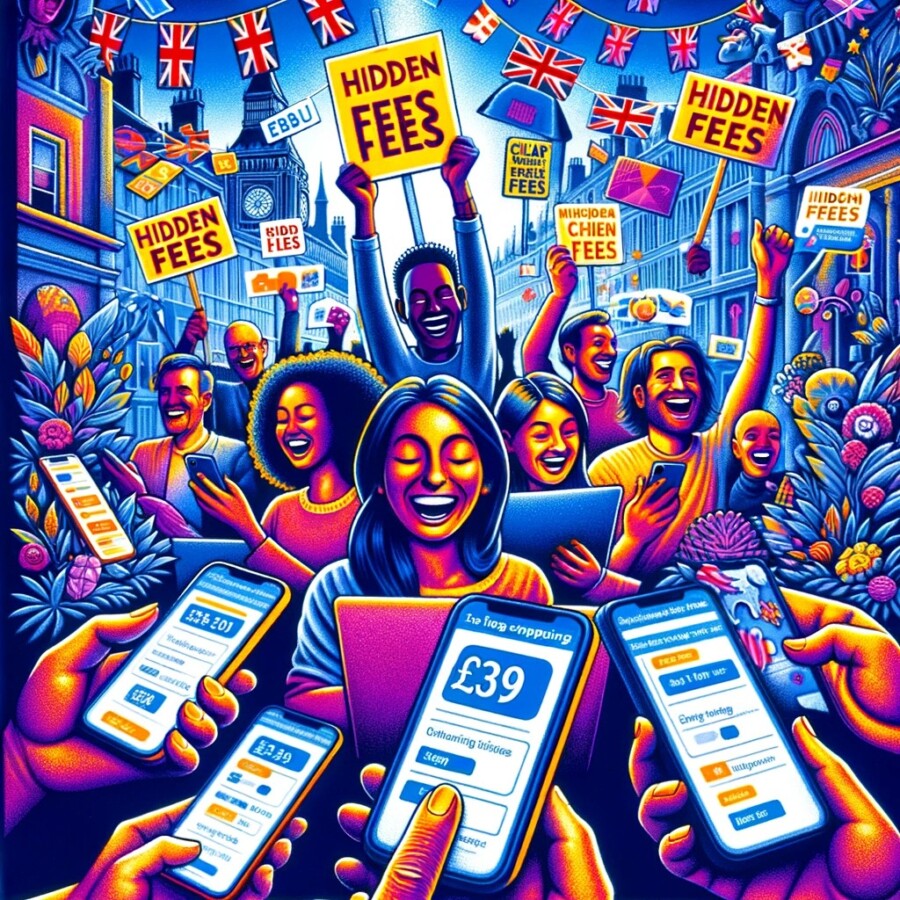
Hidden fees for online customers, also known as "drip pricing," are set to be banned under new law proposals. The government conducted a consultation on consumer transparency and found that some businesses are not clear enough about their prices. The new rules will be part of the Digital Markets, Competition and Consumers Bill. Drip pricing occurs when shoppers are shown an initial price for a product or service online, only to discover additional fees during the checkout process. This practice is widespread in the entertainment and hospitality industries, costing consumers billions of pounds each year.
Under the new rules, mandatory fees must be included in the headline prices online. For example, when purchasing cinema or train tickets, any mandatory booking fees must be clear from the start of the shopping process. Optional add-ons like airline seat reservations or luggage upgrades will not be included in these measures. The rules are expected to come into force this spring.
Minister for enterprise, markets, and small business, Kevin Hollinrake, stated that modern-day shopping provides customers with more choices but also increases the risk of confusion, scams, and unexpected costs. The new Bill aims to help customers compare purchases and protect them from fake reviews. Reviews are widely used by consumers when making purchasing decisions and contributed to the £224 billion spent in online retail markets in 2022. The Competition and Markets Authority (CMA) has provided guidance to tackle fake reviews, making website hosts accountable for the reviews on their pages.
The Price Marking Order (PMO), which requires traders to display the final selling price, will also be reformed. The proposed changes will ensure that unit pricing is consistently applied, including to promotions and special offers, to help shoppers compare like-for-like and determine the best value. The CMA has expressed support for the government's efforts to tackle misleading behavior and protect shoppers from being misled or losing money.
In conclusion, hidden fees for online customers, known as drip pricing, will be banned under new law proposals. The government aims to increase transparency in pricing and protect consumers from unexpected costs. The new rules will require mandatory fees to be included in headline prices online, while optional add-ons will not be included. The government is also taking steps to tackle fake reviews and ensure that unit pricing is consistently applied. These measures aim to help customers make informed purchasing decisions and compare prices effectively.
Original news source: Drip pricing: Hidden fees for online customers set to be banned (BBC)
🎧 Listen:
📖 Vocabulary:
Group or Classroom Activities
Warm-up Activities:
– News Summary
Instructions: Divide the class into pairs. Give each pair a copy of the article. Instruct them to read the article and work together to write a concise summary of the main points. After a few minutes, have pairs share their summaries with the rest of the class.
– Opinion Poll
Instructions: Ask students to form small groups. Give each group a list of questions related to the article, such as "Do you think banning hidden fees will benefit consumers?" or "Have you ever been a victim of drip pricing?". Instruct the groups to discuss the questions and record their opinions. After a set amount of time, have each group share their opinions with the class.
– Vocabulary Pictionary
Instructions: Write a list of key vocabulary words from the article on the board. Divide the class into teams. Give each team a whiteboard or a large sheet of paper. One student from each team will come to the front of the class and choose a word from the list. They must then draw a picture to represent the word, while their team tries to guess what the word is. The team that guesses correctly earns a point. Repeat with different students and words until all the vocabulary has been covered.
– Pros and Cons
Instructions: Divide the class into two groups. Assign one group to argue the pros of banning hidden fees, and the other group to argue the cons. Give the groups time to brainstorm their arguments. Then, have a debate where each group presents their points and counterarguments. Encourage students to use evidence from the article to support their arguments.
– Future Predictions
Instructions: Instruct students to work individually or in pairs. Ask them to imagine what the online shopping experience will be like in the future, considering the new rules on hidden fees and other potential changes. Have students write a short paragraph or create a visual representation of their predictions. Afterward, have students share their ideas with the class and discuss their predictions.
🤔 Comprehension Questions:
Drip pricing is when shoppers are shown an initial price for a product or service online, only to discover additional fees during the checkout process. This practice is problematic for consumers because it can lead to unexpected costs and a lack of transparency in pricing.
The new rules will require businesses to include mandatory fees in the headline prices online. This means that any fees that are required for a purchase, such as booking fees for cinema or train tickets, must be clear from the start of the shopping process.
Under the new rules, mandatory fees will be included in the headline prices online. These are fees that are required for a purchase and must be clear from the start of the shopping process.
Optional add-ons like airline seat reservations are not included in the new measures because they are not mandatory fees. The focus of the new rules is on ensuring transparency for fees that are required for a purchase.
The purpose of the Digital Markets, Competition and Consumers Bill is to increase consumer transparency, protect consumers from fake reviews, and ensure that unit pricing is consistently applied. It aims to help customers compare purchases and make informed decisions.
The government plans to protect consumers from fake reviews by making website hosts accountable for the reviews on their pages. The Competition and Markets Authority (CMA) has provided guidance to tackle fake reviews and ensure that website hosts take responsibility for the reviews on their platforms.
Under the proposed reforms, changes will be made to the Price Marking Order (PMO) to ensure that unit pricing is consistently applied. This includes applying unit pricing to promotions and special offers, to help shoppers compare like-for-like and determine the best value.
The overall goals of the new law proposals mentioned in the article are to increase transparency in pricing, protect consumers from unexpected costs, tackle fake reviews, and help customers make informed purchasing decisions. The government aims to ensure that consumers can compare prices effectively and make choices without being misled or losing money.
🎧✍️ Listen and Fill in the Gaps:
Hidden fees for online customers, also known as "drip pricing," are set to be banned under new law proposals. The government conducted a on transparency and found that some businesses are not clear enough about their prices. The new rules will be part of the Digital Markets, Competition and Consumers Bill. Drip pricing occurs when shoppers are shown an initial price for a product or service online, only to additional fees during the checkout process. This practice is widespread in the and hospitality industries, costing consumers billions of pounds each year. Under the new rules, mandatory fees must be included in the headline prices online. For example, when purchasing cinema or train tickets, any mandatory booking fees must be clear from the of the shopping process. Optional add-ons like airline seat reservations or luggage will not be included in these measures. The rules are to come into force this spring. Minister for enterprise, markets, and small business, Kevin Hollinrake, stated that modern-day shopping provides customers with more choices but also increases the risk of confusion, scams, and unexpected costs. The new Bill aims to help customers purchases and protect them from fake reviews. Reviews are widely used by consumers when making purchasing decisions and contributed to the £224 billion spent in online retail markets in 2022. The Competition and Authority (CMA) has guidance to tackle fake reviews, making website hosts accountable for the reviews on their pages. The Price Marking (PMO), which requires traders to display the final selling price, will also be reformed. The proposed changes will ensure that unit pricing is consistently applied, including to promotions and special offers, to help shoppers compare like-for-like and determine the best . The CMA has expressed support for the government's efforts to misleading behavior and protect shoppers from being misled or losing money. In conclusion, hidden fees for online customers, known as drip pricing, will be banned under new law proposals. The government aims to increase transparency in pricing and protect consumers from unexpected . The new rules will require mandatory fees to be included in headline prices online, while optional add-ons will not be included. The government is also taking steps to tackle fake and ensure that unit pricing is consistently applied. These measures aim to help customers make informed decisions and compare prices effectively.
💬 Discussion Questions:
1. How would you feel if you were shown an initial price for a product online, but then discovered additional fees during the checkout process?
2. Do you think it is fair for businesses to hide additional fees from customers? Why or why not?
3. Have you ever experienced drip pricing when shopping online? How did it make you feel?
4. What is your opinion on the new law proposals to ban hidden fees for online customers?
5. How do you think the new rules will benefit consumers?
6. Do you think the government should also include optional add-ons in the mandatory fee requirements? Why or why not?
7. How often do you read reviews before making a purchase? Why or why not?
8. Have you ever been misled by a fake review? How did it impact your purchasing decision?
9. Do you think website hosts should be held accountable for the reviews on their pages? Why or why not?
10. How important is price transparency to you when making purchasing decisions?
11. What other measures do you think the government could take to protect consumers from misleading behavior?
12. How do you determine the best value when comparing prices online?
13. What are some potential challenges or drawbacks of implementing these new rules?
14. How do you think these new rules will impact businesses in the entertainment and hospitality industries?
15. Do you think these new rules will be effective in preventing hidden fees and increasing transparency? Why or why not?
Individual Activities
📖💭 Vocabulary Meanings:
Click a dot next to a word, then click the dot next to its meaning to draw a line connecting them.
Words
Meanings
🔡 Multiple Choice Questions:
🕵️ True or False Questions:
📝 Write a Summary:
Write a summary of this news article in two sentences.
Check your writing now with the best free AI for English writing!