A recent breakthrough in neuroscience has scientists buzzing with excitement. Researchers have successfully mapped the brain of a fruit fly, revealing the intricate network of 130,000 cells and 50 million connections within this tiny brain. This detailed analysis is a significant advancement in understanding how brains function, with one expert describing it as a "huge leap" in our comprehension of our own brains. By unraveling the mysteries of the fly brain, scientists hope to gain insights into the mechanisms of thought and how our own brains work.
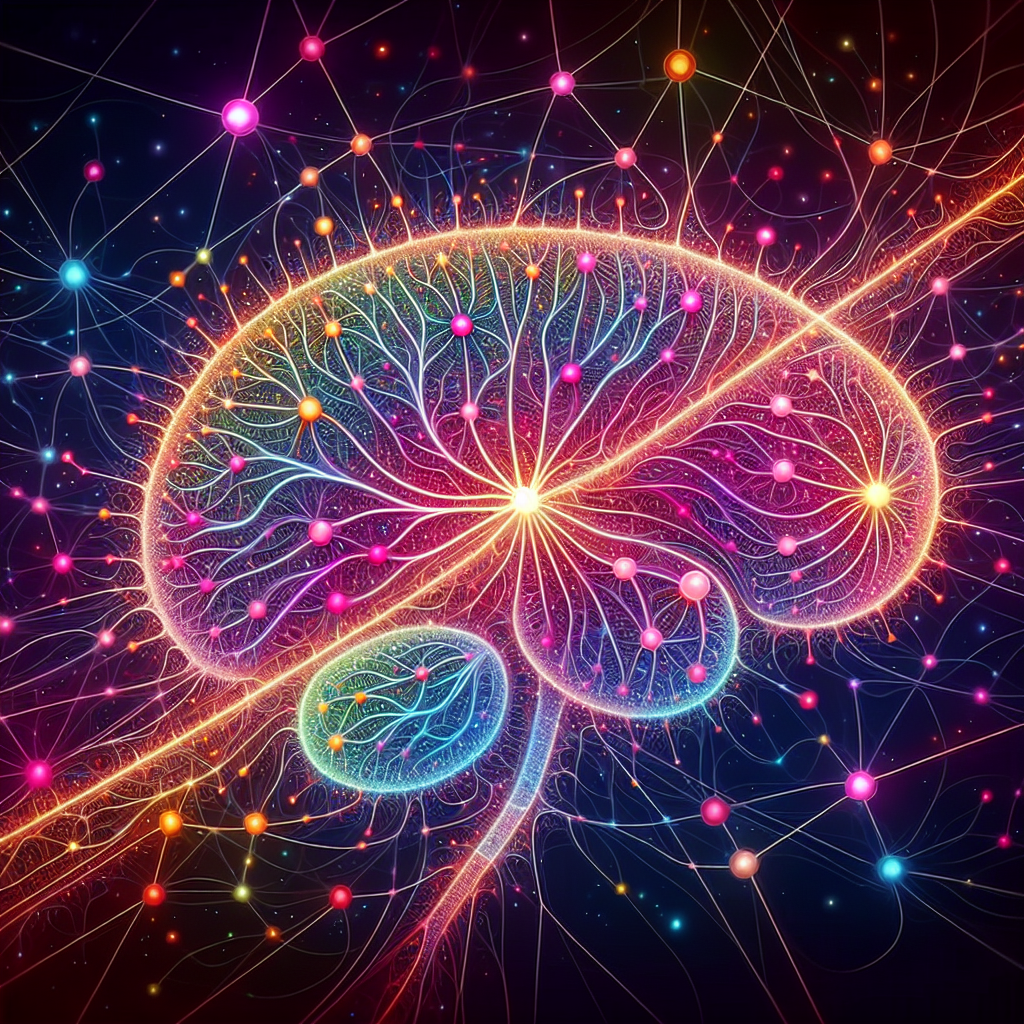
Despite the vast difference in size and complexity between the fruit fly brain and the human brain, the wiring diagram of the insect's brain offers valuable information for neuroscientists. The images produced by the research team display a complex web of connections that hold the key to understanding how such a small organ can perform powerful computational tasks. By identifying separate circuits for various functions and illustrating how they are interconnected, researchers aim to shed light on how brains process information and carry out different tasks.
The mapping of the fly brain, known as a connectome, is expected to revolutionize neuroscience research. By providing a detailed blueprint of the brain's wiring, scientists can better understand how a healthy brain functions and investigate what happens when things go wrong. This groundbreaking research opens the door to further studies on larger brains, such as mice, and potentially, in the future, the human brain. The connectome of the fruit fly brain serves as a crucial step towards unraveling the complexities of our own minds.
The process of creating the wiring diagram involved slicing up the fly brain into thousands of thin sections and digitally reconstructing them to reveal the intricate connections between neurons. While artificial intelligence played a significant role in this endeavor, researchers had to manually correct millions of errors to ensure accuracy. This painstaking process, akin to creating a detailed map of the brain's structure and function, is essential for advancing our understanding of brain activity and cognitive processes.
The availability of the fly connectome to the scientific community is expected to spark a wave of discoveries in neuroscience. While mapping the human brain's wiring remains a challenging task due to its complexity, researchers are optimistic about the potential for a human connectome in the future. The fly brain study represents a significant milestone in unraveling the mysteries of the mind and paves the way for a deeper understanding of how our brains work. Conducted by the FlyWire Consortium, this international collaboration of scientists has set the stage for groundbreaking discoveries in the field of neuroscience.
Original news source: Fly brain breakthrough 'huge leap' to unlock human mind (BBC)
🎧 Listen:
📖 Vocabulary:
Group or Classroom Activities
Warm-up Activities:
– Charades
Instructions: Divide the class into two teams. Write down key words related to the article on separate pieces of paper. Each team will take turns choosing a word and acting it out without speaking while their team tries to guess the word. This activity will help reinforce vocabulary related to neuroscience and brain mapping.
– News Summary
Instructions: Ask students to work in pairs to summarize the main points of the article. Each pair will then present their summary to the class. Encourage students to focus on the key information and practice their speaking skills by delivering a concise and coherent summary.
– Opinion Poll
Instructions: Create a set of questions related to the article, such as "Do you think mapping the brain of a fruit fly can help us understand the human brain better?" or "What do you think are the potential benefits of studying the connectome of the fruit fly brain?" Have students move around the classroom to ask and answer the questions, then gather and discuss the results as a class.
– Vocabulary Pictionary
Instructions: Write down key vocabulary words from the article on separate cards. Divide the class into teams and have a student from each team come to the board. Show them a card with a word, and they have to draw it while their team tries to guess the word. This activity will help reinforce vocabulary related to neuroscience and brain mapping in a fun and engaging way.
– Future Predictions
Instructions: In pairs, have students discuss and make predictions about the future implications of mapping the brain of a fruit fly. They can consider how this research might impact future studies on larger brains or the potential for understanding the human brain better. After discussing in pairs, have a class discussion to share and compare predictions.
🤔 Comprehension Questions:
Researchers successfully mapped the brain of a fruit fly.
The mapping process revealed 130,000 cells and 50 million connections within the fruit fly brain.
The wiring diagram of the fruit fly brain offers valuable information for neuroscientists by providing insights into the mechanisms of thought and how brains function.
Researchers aim to use the information to identify separate circuits for various functions and illustrate how they are interconnected, shedding light on how brains process information and carry out different tasks.
The mapping of the fly brain, known as a connectome, is expected to revolutionize neuroscience research by providing a detailed blueprint of the brain's wiring and helping understand healthy brain functions and disease mechanisms.
The process involved slicing up the fly brain into thousands of thin sections and digitally reconstructing them to reveal the intricate connections between neurons.
Manual correction was necessary to ensure accuracy as researchers had to correct millions of errors in the digital reconstruction of the brain sections.
The availability of the fly connectome is expected to spark discoveries in neuroscience and pave the way for future studies on larger brains, potentially leading to a human connectome in the future.
🎧✍️ Listen and Fill in the Gaps:
A recent breakthrough in neuroscience has scientists buzzing with excitement. Researchers have successfully mapped the brain of a fruit fly, revealing the intricate network of 130,000 and 50 million connections within this tiny brain. This detailed is a significant advancement in understanding how brains function, with one expert describing it as a "huge leap" in our of our own brains. By unraveling the mysteries of the fly brain, scientists hope to gain insights into the mechanisms of thought and how our own brains work. Despite the vast in size and complexity between the fruit fly brain and the human brain, the wiring diagram of the insect's brain offers valuable for neuroscientists. The images produced by the research team display a complex web of connections that hold the key to understanding how such a small organ can perform computational tasks. By identifying separate circuits for various functions and illustrating how they are interconnected, researchers aim to shed on how brains process information and carry out different tasks. The mapping of the fly brain, known as a connectome, is to revolutionize neuroscience research. By providing a detailed blueprint of the brain's wiring, scientists can better understand how a healthy brain functions and investigate what happens when things go wrong. This groundbreaking research opens the door to further studies on larger brains, such as mice, and potentially, in the future, the brain. The connectome of the fruit fly brain serves as a crucial step towards unraveling the complexities of our own minds. The of creating the wiring diagram involved slicing up the fly brain into thousands of thin and digitally reconstructing them to reveal the intricate connections between neurons. While artificial intelligence played a significant role in this endeavor, researchers had to manually correct millions of errors to ensure . This painstaking process, akin to creating a detailed map of the brain's structure and function, is essential for advancing our of brain activity and cognitive processes. The availability of the fly connectome to the scientific community is expected to spark a wave of discoveries in neuroscience. While mapping the human brain's wiring remains a challenging task due to its , researchers are optimistic about the potential for a human connectome in the future. The fly brain study a significant milestone in unraveling the mysteries of the mind and the way for a deeper understanding of how our brains work. Conducted by the FlyWire Consortium, this international collaboration of scientists has set the stage for groundbreaking discoveries in the field of neuroscience.
💬 Discussion Questions:
1. How do you think this breakthrough in mapping the fruit fly brain will impact future neuroscience research?
2. Do you believe that understanding the brain of a fruit fly can truly help us comprehend how our own brains function? Why or why not?
3. How important do you think it is to continue exploring the brains of smaller organisms like fruit flies in order to understand the human brain?
4. What do you think are the ethical implications of mapping and studying the brains of animals for the purpose of understanding human brains?
5. How would you feel if scientists were able to create a connectome of the human brain in the future? What potential benefits and drawbacks do you foresee?
6. Do you think the manual correction of errors in the mapping process is a necessary step in ensuring the accuracy of the connectome? Why or why not?
7. What role do you think artificial intelligence will play in future neuroscience research, particularly in mapping and understanding the human brain?
8. How do you think this research on the fruit fly brain could impact the development of treatments for neurological disorders in humans?
9. Do you believe that mapping the connectome of the human brain could lead to advancements in artificial intelligence technology? Why or why not?
10. How might the detailed analysis of the fruit fly brain influence the way we approach the study of cognitive processes and decision-making in humans?
11. What challenges do you think researchers might face in attempting to map the connectome of the human brain, compared to the fruit fly brain?
12. How do you think the findings from this research could be applied in fields outside of neuroscience, such as technology or education?
13. Do you think that a deeper understanding of how the brain works could potentially change the way we approach mental health and well-being in society? Why or why not?
14. How do you think the public perception of neuroscience and brain research might change as a result of this breakthrough in mapping the fruit fly brain?
15. In your opinion, what other areas of scientific research could benefit from a similar approach of mapping and understanding complex systems?
Individual Activities
📖💭 Vocabulary Meanings:
Click a dot next to a word, then click the dot next to its meaning to draw a line connecting them.
Words
Meanings
🔡 Multiple Choice Questions:
🕵️ True or False Questions:
📝 Write a Summary:
Write a summary of this news article in two sentences.
Check your writing now with the best free AI for English writing!