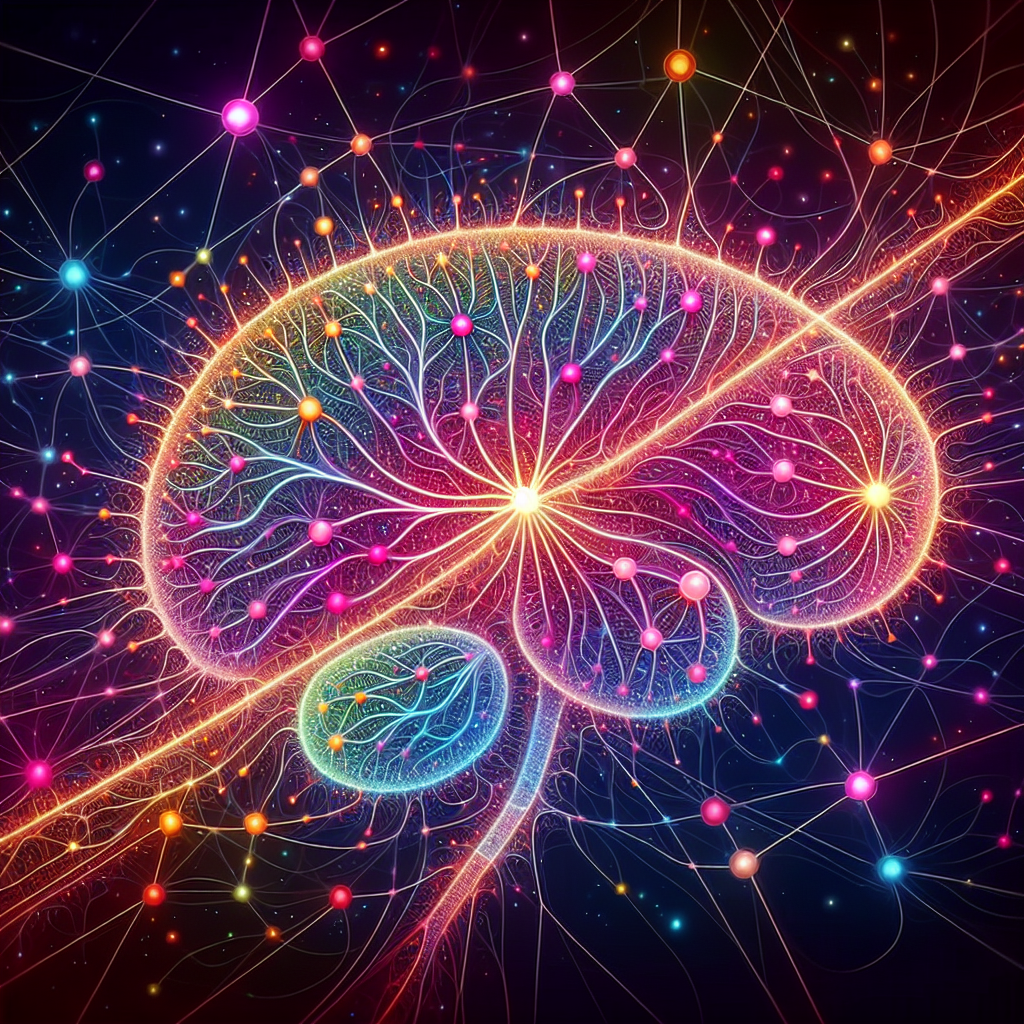
Scientists studied a tiny fly's brain. The fly's brain has lots of tiny parts, like 130,000 cells and 50 million connections. They looked at where each part is and how they connect. This helps them learn how brains work, even human brains. They want to know how we think and how our brains do things.
The scientists found different parts of the fly's brain do different jobs, like seeing and moving. This helps them understand how a healthy brain works. They hope to make maps of bigger brains, like mice and humans, to learn more. They had to cut the fly's brain into many tiny pieces to study it. Now, other scientists can use this map to learn more about brains.
Original news source: Fly brain breakthrough 'huge leap' to unlock human mind (BBC)
🎧 Listen:
📖 Vocabulary:
Group or Classroom Activities
Warm-up Activities:
– Vocabulary Pictionary
Instructions: Divide the class into two teams. Give each team a list of vocabulary words from the article (e.g., brain, cells, connections, parts, study). One person from each team will come to the board and draw the word while their team tries to guess what it is. Set a time limit for each round. The team with the most correct guesses wins.
– Charades
Instructions: Write down actions or concepts related to the article on pieces of paper (e.g., studying, thinking, moving, seeing). Have students take turns picking a paper and acting out the word without speaking while the rest of the class guesses. This will help reinforce vocabulary and encourage students to use body language to communicate.
– Opinion Poll
Instructions: Divide the class into pairs or small groups. Have them discuss and share their opinions on the importance of studying the brain and understanding how it works. Then, as a class, conduct a mini opinion poll by asking each group to share a summary of their discussions. This will encourage students to express their thoughts and practice speaking English.
– Word Association
Instructions: Write the word "brain" on the board. Ask students to call out words that they associate with it (e.g., think, study, memory). Write down their responses and create a word web on the board. Discuss how the words are connected to the main topic. This activity will help students expand their vocabulary and make connections between words.
– Future Predictions
Instructions: Divide the class into small groups. Ask each group to imagine and discuss potential future discoveries about the human brain based on the study of the fly's brain. Have them write down their predictions and share them with the class. Encourage them to use vocabulary from the article and to explain their reasoning. This activity will promote critical thinking and creativity while practicing English language skills.
🤔 Comprehension Questions:
Scientists studied a tiny fly's brain.
The fly's brain has 130,000 cells.
Scientists learned how different parts of the brain work together.
Different parts of the fly's brain do jobs like seeing and moving.
Scientists had to cut the fly's brain into tiny pieces to study it better.
Scientists hope to make maps of bigger brains like mice and humans.
It is helpful for other scientists to use the map of the fly's brain to learn more about brains.
🎧✍️ Listen and Fill in the Gaps:
Scientists a tiny fly's brain. The fly's brain has lots of tiny parts, like 130,000 cells and 50 million . They looked at where each part is and how they connect. This helps them learn how brains , even brains. They want to know how we think and how our brains do things. The scientists found different of the fly's brain do different jobs, like seeing and moving. This helps them understand how a healthy brain . They hope to make maps of bigger brains, like and humans, to learn more. They had to cut the fly's brain into many tiny pieces to study it. Now, other can use this map to learn more about brains.
💬 Discussion Questions:
1. What is a brain?
2. How would you feel if you had to study a tiny fly's brain?
3. Do you like learning about how brains work?
4. Do you think it's important to understand how our brains think?
5. What do you think scientists can learn from studying a fly's brain?
6. Why do you think scientists study different parts of the brain?
7. How do you think a map of a brain can help scientists?
8. What do you think it means to cut the brain into tiny pieces to study it?
9. Why do you think scientists want to study bigger brains like mice and humans?
10. How do you think the fly's brain is different from a human brain?
11. Do you think it's cool that scientists can learn from studying a tiny fly's brain?
12. Why or why not do you think it's good that other scientists can use the map to learn more about brains?
Individual Activities
📖💭 Vocabulary Meanings:
Click a dot next to a word, then click the dot next to its meaning to draw a line connecting them.
Words
Meanings
🔡 Multiple Choice Questions:
🕵️ True or False Questions:
📝 Write a Summary:
Write a summary of this news article in two sentences.
Check your writing now with the best free AI for English writing!