

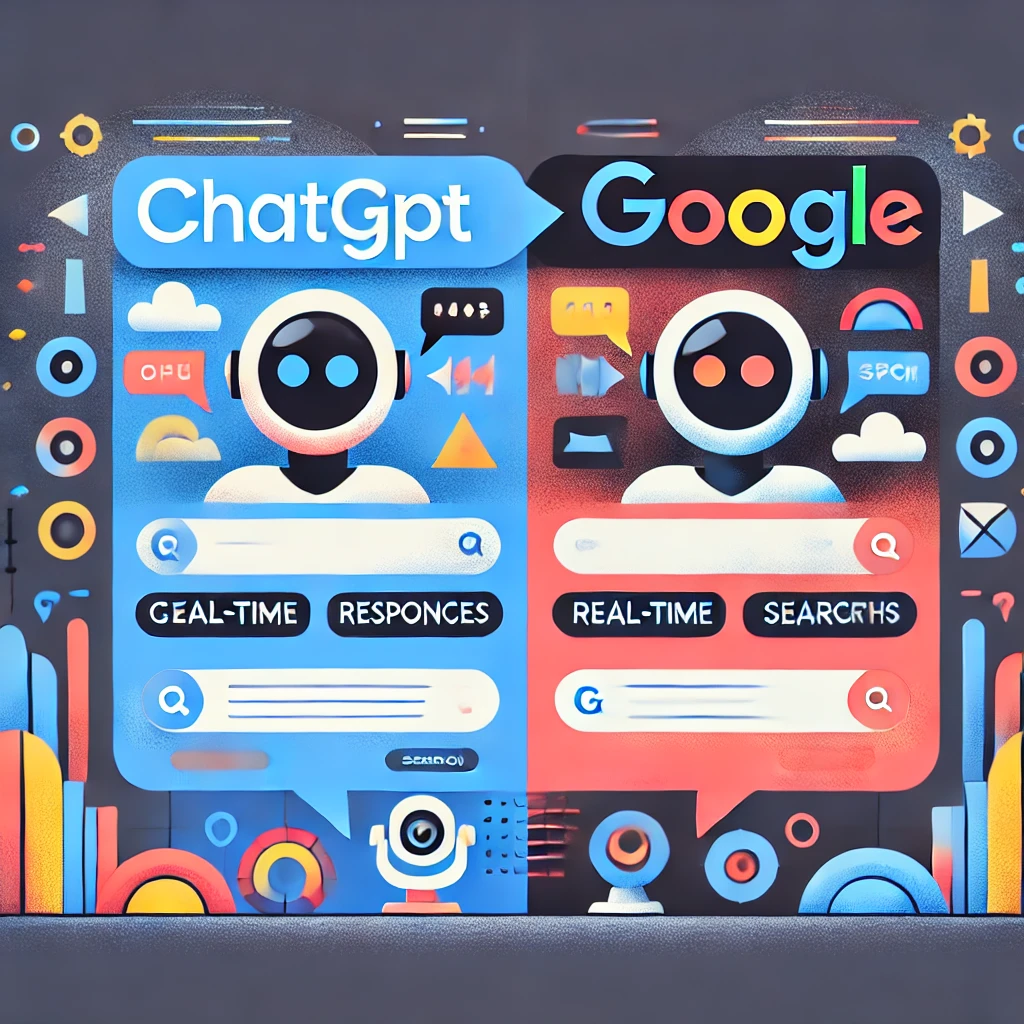
OpenAI is making significant strides in enhancing its artificial intelligence (AI) chatbot, ChatGPT, in an effort to compete with Google as the leading search engine. The company has announced that it is testing a new search feature that integrates real-time information into ChatGPT, enabling the bot to provide users with current answers and relevant links. This feature is currently available to a select group of users in the United States, but OpenAI plans to roll it out more broadly in the future. The introduction of this search capability follows the excitement generated by ChatGPT's initial launch in 2022, which marked a pivotal moment in the AI landscape.
In addition to the new search functionality, OpenAI is enhancing the conversational abilities of ChatGPT, allowing users to ask follow-up questions related to their original inquiries. The company emphasized that traditional web searches can often be cumbersome, requiring multiple attempts to find satisfactory results. By incorporating real-time data from the web, OpenAI aims to streamline the search process, making it quicker and more efficient for users. This development aligns with the growing belief among analysts that AI chatbots represent the future of online search.
Despite the potential benefits of AI in the search domain, concerns have arisen regarding the environmental impact of these technologies due to their high energy consumption. Furthermore, the shift towards conversational responses instead of traditional links has alarmed news organizations that depend on search traffic for their audience and revenue. In response to these concerns, OpenAI has stated that it is collaborating with various publishers, including the Atlantic and News Corp, to ensure a balanced ecosystem for content creators.
OpenAI is committed to providing publishers with more control over their presence in the new SearchGPT feature. The company has acknowledged the importance of maintaining a healthy relationship with media outlets and has introduced mechanisms for publishers to manage how their content is represented in search results. This initiative aims to address the concerns raised by news organizations while promoting a collaborative environment for content creators.
The competitive landscape of AI-driven search is rapidly evolving, with Google currently holding a dominant position, capturing over 90% of the global market. In light of OpenAI's advancements, Google has been working to integrate its own AI-powered tools. However, the introduction of OpenAI's new features has led to a decline in shares of its parent company, Alphabet, indicating the potential disruption that AI chatbots could bring to the search industry. As the technology continues to develop, the implications for both users and content creators will be significant.
Original news source: ChatGPT reveals search feature in Google challenge (BBC)
🎧 Listen:
📖 Vocabulary:
Group or Classroom Activities
Warm-up Activities:
– CHARADES
Instructions: Divide the class into small groups. Each group will take turns acting out key terms or concepts related to the article (e.g., "AI chatbot," "real-time information," "search engine"). The other groups will guess what is being acted out. This activity will help students engage with vocabulary and concepts from the article in a fun way.
– HEADLINE CREATION
Instructions: After reading the article, students will work in pairs to create catchy headlines that summarize the main points of the article. They should consider the tone and audience of a news article. Afterward, each pair will present their headline to the class, discussing the reasoning behind their choice.
– OPINION SPECTRUM
Instructions: Create a spectrum in the classroom labeled "Strongly Agree" to "Strongly Disagree." Read statements related to the article (e.g., "AI chatbots will ultimately replace traditional search engines"). Students will position themselves along the spectrum based on their opinions and then discuss their reasoning with a partner.
– MIND MAP
Instructions: In small groups, students will create a mind map that visually represents the main ideas and details from the article. They should use key phrases and connect related concepts, such as the benefits and concerns of AI in search. After completing the mind map, each group will present it to the class.
– TWO TRUTHS AND A LIE
Instructions: Students will individually come up with three statements about the article—two that are true and one that is false. They will then share their statements with a small group, and the group will discuss and try to identify which statement is the lie. This will encourage critical thinking and comprehension of the article's content.
🤔 Comprehension Questions:
OpenAI is testing a new search feature that integrates real-time information into ChatGPT, enabling the bot to provide users with current answers and relevant links.
OpenAI's search functionality aims to streamline the search process by allowing users to ask follow-up questions related to their original inquiries and by providing real-time data, making it quicker and more efficient compared to traditional web searches.
Concerns have arisen regarding the high energy consumption of AI technologies, which may have a negative environmental impact.
OpenAI is collaborating with various publishers, including the Atlantic and News Corp, to ensure a balanced ecosystem for content creators and is committed to maintaining a healthy relationship with media outlets.
OpenAI has introduced mechanisms for publishers to manage how their content is represented in search results, providing them with more control over their presence in the new SearchGPT feature.
Google currently holds a dominant position in the market, capturing over 90% of the global search market, which gives it a significant advantage over competitors like OpenAI.
The introduction of OpenAI's new features has led to a decline in shares of Alphabet, indicating the potential disruption that AI chatbots could bring to the search industry.
Analysts believe that AI chatbots represent the future of online search by offering more efficient, conversational responses that could transform how users find information online.
🎧✍️ Listen and Fill in the Gaps:
OpenAI is making significant strides in enhancing its artificial intelligence (AI) chatbot, , in an effort to compete with Google as the leading search engine. The company has announced that it is testing a new search feature that integrates real-time information into ChatGPT, enabling the bot to provide with current answers and relevant links. This feature is currently available to a select group of users in the United States, but OpenAI to roll it out more broadly in the future. The introduction of this search capability follows the excitement generated by ChatGPT's launch in 2022, which marked a pivotal moment in the AI landscape. In addition to the new search functionality, OpenAI is enhancing the conversational abilities of ChatGPT, allowing users to ask follow-up questions related to their original inquiries. The company emphasized that traditional web es can often be cumbersome, requiring multiple attempts to find satisfactory results. By incorporating real-time data from the web, OpenAI aims to streamline the search process, making it quicker and more for users. This development aligns with the growing belief among that AI chatbots represent the future of online search. Despite the potential benefits of AI in the search domain, concerns have arisen regarding the environmental impact of these due to their high energy consumption. Furthermore, the shift towards conversational responses instead of traditional links has alarmed news organizations that on search traffic for their audience and revenue. In response to these concerns, OpenAI has stated that it is collaborating with various publishers, including the Atlantic and News Corp, to ensure a balanced ecosystem for content creators. OpenAI is committed to publishers with more control over their presence in the new SearchGPT feature. The company has acknowledged the importance of maintaining a healthy with media outlets and has introduced mechanisms for publishers to manage how their content is in search results. This initiative aims to address the concerns raised by news organizations while promoting a collaborative environment for content creators. The competitive landscape of AI-driven search is rapidly evolving, with currently holding a dominant , over 90% of the global market. In light of OpenAI's advancements, Google has been working to integrate its own AI-powered tools. However, the introduction of OpenAI's new features has led to a decline in shares of its parent company, Alphabet, indicating the disruption that AI chatbots could bring to the search industry. As the technology continues to develop, the implications for both users and content creators will be significant.
💬 Discussion Questions:
1. What is your opinion on the use of AI chatbots for searching information online?
2. How would you feel if AI chatbots replaced traditional search engines entirely?
3. Do you think the integration of real-time information into chatbots is a positive development? Why or why not?
4. What is a potential drawback of relying on AI chatbots for information?
5. How do you think AI chatbots will change the way we interact with technology in the future?
6. Do you like the idea of having follow-up questions in a chatbot conversation? Why?
7. How would you feel if your favorite news source was affected by the rise of AI-driven search?
8. Do you think it is important for AI companies to collaborate with content creators? Why or why not?
9. What is a concern you have about the environmental impact of AI technologies?
10. How would you react if you found out that the information provided by an AI chatbot was incorrect?
11. Do you think the shift towards conversational responses will enhance or hinder the search experience? Why?
12. What is a significant change you have noticed in how people search for information over the years?
13. How would you feel if you had to pay for access to high-quality information from AI chatbots?
14. Do you think traditional search engines like Google will be able to compete with AI chatbots in the future? Why or why not?
15. What is a skill you believe is essential for users to effectively navigate AI-driven search tools?
Individual Activities
📖💭 Vocabulary Meanings:
Click a dot next to a word, then click the dot next to its meaning to draw a line connecting them.
Words
Meanings
🔡 Multiple Choice Questions:
🕵️ True or False Questions:
📝 Write a Summary:
Write a summary of this news article in two sentences.
Check your writing now with the best free AI for English writing!