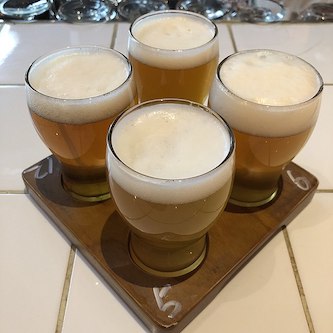
Berkeley Yeast's GM yeasts have found applications beyond flavor enhancement. They have developed strains that can eliminate off flavors and expedite the production of certain beer styles. Despite the potential benefits, the use of GM technology in brewing remains controversial, with concerns about consumer perception and regulatory approval. Some brewers, like Lagunitas Brewing, are cautious about adopting GM yeasts due to consumer apprehensions and the association of GM foods with certain companies.
In contrast, Carlsberg, a major beer producer, has adopted a no-GM policy, focusing on natural breeding methods to develop barley and hops varieties that are more resilient to environmental stress. This approach aligns with the company's commitment to traditional methods and consumer preferences. The debate surrounding GM beers reflects the divergent approaches within the brewing industry, with some embracing genetic engineering while others prioritize natural breeding methods.
Looking ahead, proponents of GM beers envision creating brews with extended freshness and consistent flavors. Despite the ongoing debate and regulatory challenges, the potential for GM technology to revolutionize the brewing industry is a topic of interest and speculation. As the industry continues to evolve, the coexistence of GM and non-GM brewing methods underscores the complex dynamics shaping the future of beer production.
Original news source: Would you drink genetically modified beer? (BBC)
📖 Vocabulary:
Group or Classroom Activities
Warm-up Activities:
– News Summary
Instructions: Students will work in pairs to summarize the article in their own words, aiming for a brief summary of about 100 words. Encourage them to highlight the main points regarding genetic modification in beer production, the different approaches by companies like Berkeley Yeast and Carlsberg, and the potential future of GM beers. After writing, each pair will share their summary with another pair and discuss any differences or similarities in what they identified as key information.
– Opinion Spectrum
Instructions: Create a line in the classroom representing a spectrum of opinions from "strongly agree" to "strongly disagree." Read out statements related to the article, such as "Genetic modification should be widely adopted in beer production," or "Consumer apprehensions about GM beers are unjustified." Students will position themselves along the spectrum based on their opinion and then discuss with the person closest to them why they chose their position. This activity encourages students to articulate and defend their opinions on the topic.
– Vocabulary Pictionary
Instructions: Write down key terms from the article (e.g., genetic modification, flavor profile, regulatory constraints, natural breeding methods) on slips of paper. Students will take turns drawing a term from a hat and then sketching it on the board without using any letters or verbal hints. Their team has to guess the term based on the drawing. This will help reinforce the new vocabulary from the article in a fun and interactive way.
– Future Predictions
Instructions: Students will work in small groups to discuss and write down their predictions about the future of beer production based on the article. They should consider questions such as: Will GM beers become the norm, or will natural brewing methods prevail? How might consumer tastes evolve? What technological advancements could emerge? Each group will then present their predictions to the class, sparking a discussion on the plausible outcomes for the brewing industry.
– Synonym Challenge
Instructions: Provide students with a list of key words from the article (e.g., enhance, alter, expedite, controversial, resilient). In pairs or small groups, students must come up with at least two synonyms for each word without using dictionaries. After a set amount of time, review the synonyms as a class and discuss any nuances in meaning between the synonyms and the original words. This activity will expand students' vocabulary and enhance their understanding of the article's language.
🤔 Comprehension Questions:
Charles Denby is the co-founder and CEO of Berkeley Yeast.
The primary focus is to alter yeast strains to introduce new flavors and eliminate undesirable ones in beer.
The Tropics yeast strain is engineered to impart the taste of passion fruit and guava, providing a consistent flavor profile without the need for additional ingredients.
The article does not specify the exact reasons, but it implies that there are regulatory constraints in the UK that limit the use of genetically modified yeasts.
Concerns include consumer perception and regulatory approval, with some consumers apprehensive about GM foods and their association with certain companies.
Lagunitas Brewing is cautious about adopting GM yeasts due to consumer apprehensions and the negative associations of GM foods with certain companies.
Carlsberg has adopted a no-GM policy, focusing on natural breeding methods to develop barley and hops varieties.
Proponents envision creating brews with extended freshness and consistent flavors, potentially revolutionizing the brewing industry.
🎧✍️ Listen and Fill in the Gaps:
Charles Denby, the co-founder and CEO of Berkeley Yeast, is dedicated to the flavor of beer through genetic modification. His company specializes in altering yeast strains to introduce new flavors and eliminate undesirable ones. For instance, their Tropics yeast is engineered to impart the of fruit and guava, providing a consistent flavor profile without the need for additional ingredients. While these genetically (GM) yeasts are widely used in the US, they face regulatory constraints in many countries, including the UK. Berkeley Yeast's GM yeasts have applications beyond flavor enhancement. They have strains that can eliminate off flavors and expedite the production of certain beer styles. Despite the benefits, the use of GM technology in brewing remains controversial, with concerns about consumer perception and regulatory approval. Some brewers, like Lagunitas Brewing, are cautious about GM yeasts due to consumer apprehensions and the of GM foods with certain . In contrast, Carlsberg, a major beer producer, has adopted a no-GM policy, focusing on natural breeding to develop barley and hops varieties that are more resilient to environmental stress. This approach aligns with the company's commitment to traditional methods and consumer preferences. The debate surrounding GM beers reflects the divergent approaches within the industry, with some embracing genetic engineering while others prioritize natural methods. Looking ahead, proponents of GM envision creating brews with extended freshness and consistent flavors. Despite the ongoing debate and regulatory challenges, the potential for GM technology to revolutionize the brewing industry is a topic of interest and speculation. As the industry continues to evolve, the coexistence of GM and non-GM brewing methods underscores the dynamics shaping the of beer production.
💬 Discussion Questions:
1. What is your opinion on the use of genetic modification in food and beverages?
2. How would you feel if you found out your favorite beer was made with genetically modified yeast?
3. Do you think that the benefits of using GM yeast in beer production outweigh the potential risks? Why or why not?
4. What is your stance on the debate between using natural breeding methods versus genetic modification in agriculture?
5. Have you ever tried a beer with unconventional flavors like passion fruit or guava? If so, did you enjoy it?
6. How important is it for you that the ingredients in your beer are all-natural?
7. Do you believe that GM foods should be labeled as such, and would this influence your purchasing decisions? Why or why not?
8. What is your perspective on the regulatory constraints faced by GM products in different countries?
9. Do you think consumer apprehensions about GM foods are justified? Why or why not?
10. How would you feel about a beer that has a longer shelf life due to genetic modification?
11. Do you prefer traditional brewing methods or are you open to the innovation of genetic engineering in beer production?
12. What is the most important factor for you when choosing a beer: flavor, brewing method, brand reputation, or ingredient sourcing?
13. Do you think the brewing industry should focus more on sustainability and environmental stress resilience in their crops?
14. How do you think the coexistence of GM and non-GM brewing methods will shape the future of the beer industry?
15. Do you think there is enough information available for consumers to make an informed decision about GM beers? Why or why not?
Individual Activities
📖💭 Vocabulary Meanings:
Click a dot next to a word, then click the dot next to its meaning to draw a line connecting them.
Words
Meanings
🔡 Multiple Choice Questions:
🕵️ True or False Questions:
📝 Write a Summary:
Write a summary of this news article in two sentences.
Check your writing now with the best free AI for English writing!