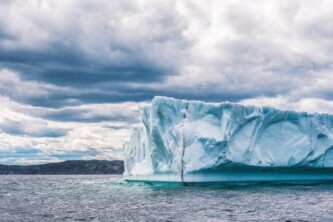



In an extraordinary display of endurance and determination, twenty-three athletes took part in a marathon at the geographic North Pole, an event touted as the 'world's coolest marathon.' The race took place on unstable sea ice, a surface not typically associated with marathon running. Adventurers embarked on their journey from Norway, boarding the French vessel Le Commandant Charcot, which transported them to this remarkable racing location.
Upon arrival, the competitors were challenged to complete numerous laps on a 1,055-meter route carved carefully into the drifting ice. Equipped with thermal attire and life vests, they protected themselves against the freezing temperatures and constantly shifting ice beneath their feet. Armed guards were present to ensure safety against potential polar bear encounters in this remote part of the world.
In the women's category, triumph came to Denmark's Rikke Dam, who completed the marathon in 6 hours, 54 minutes, and 2 seconds. Meanwhile, in the men's division, Wang Shengxian from China achieved victory with an impressive time of 3 hours, 52 minutes, and 22 seconds. The ephemeral racecourse, with its surreal quality, melted back into the Arctic ocean just hours after the race ended, leaving only memories behind.
The entire event was conducted with heightened urgency, given the race's ever-changing and uncertain setting. Still, careful planning allowed participants to embrace the thrill and hardship of racing in such an extreme environment. The startlingly remote and cold location emphasized both the charm and the imminent danger of conducting a marathon on the Earth's northern fringe.
Beyond the marathon's sheer physical challenge, the experience underscored the precarious and transforming nature of the Arctic expanse. Participants departed not just with the satisfaction of achievement but also with a renewed understanding of the fragile beauty of the Arctic wilderness.
Original news source: Marathon runners compete on drifting sea ice at North Pole – BBC News (BBC)
📖 Vocabulary:
Group or Classroom Activities
Warm-up Activities:
1. Describe a challenging experience you have faced, similar to the environment of the North Pole marathon.
2. Discuss what you consider to be the most extreme environment on the planet and why.
3. Share what preparation would be essential for participating in an extreme marathon.
4. Explain the significance of running in unique places like the North Pole.
5. Debate the allure and potential dangers of sports in remote locations.
🤔 Comprehension Questions:
The marathon took place at the geographic North Pole.
Participants traveled aboard the French polar vessel Le Commandant Charcot from Norway.
The marathon was held on shifting sea ice.
Runners wore thermal clothing and life vests and were accompanied by armed guards.
Denmark’s Rikke Dam won the women's race with a time of 6 hours, 54 minutes, and 2 seconds.
Each lap was 1,055 meters long.
The marathon highlighted the fragile and ever-changing nature of the Arctic landscape.
🎧✍️ Listen and Fill in the Gaps:
In an extraordinary display of endurance and determination, twenty-three athletes took part in a marathon at the geographic North Pole, an event touted as the 'world's coolest marathon.' The race took place on unstable sea ice, a surface not typically associated with marathon running. Adventurers embarked on their journey from Norway, boarding the French vessel Le Commandant , which them to this racing location. Upon , the competitors were challenged to numerous laps on a 1,055-meter route carefully into the drifting ice. with thermal attire and life vests, they protected themselves against the freezing temperatures and constantly shifting ice beneath their feet. Armed guards were present to ensure safety against potential polar bear in this remote part of the world. In the women's category, triumph came to Denmark's Rikke Dam, who completed the marathon in 6 hours, 54 minutes, and 2 seconds. , in the men's division, Wang Shengxian from China achieved victory with an impressive time of 3 hours, 52 minutes, and 22 seconds. The ephemeral racecourse, with its surreal quality, melted back into the Arctic just hours after the race ended, leaving only memories behind. The entire was conducted with heightened urgency, given the race's ever-changing and setting. Still, careful planning allowed participants to embrace the thrill and of racing in such an extreme environment. The startlingly remote and cold location emphasized both the charm and the danger of conducting a marathon on the Earth's northern fringe. Beyond the marathon's sheer physical challenge, the experience underscored the precarious and transforming nature of the Arctic . Participants departed not just with the satisfaction of achievement but also with a renewed of the fragile beauty of the Arctic wilderness.
💬 Discussion Questions:
1. Would you be interested in participating in a marathon at the North Pole? Why or why not?
2. How important is it to raise awareness about the changing Arctic through events like marathons?
3. What are the potential risks and rewards of extreme adventure sports?
4. How do you feel about the idea of combining tourism with environmental education?
5. What measures should be taken to protect athletes participating in extreme marathons?
6. How do you think such events impact the local wildlife and ecosystem?
7. What are your thoughts on the role of sports in promoting environmental conservation?
8. Can events like these help change perceptions about climate change?
9. How could the global community better preserve areas such as the Arctic?
10. In what ways could marathon organizers improve safety in extreme environments?
11. What motivates people to push their limits in extreme sports?
12. Discuss the importance of highlighting fragile environments through global events.
Individual Activities
📖💭 Vocabulary Meanings:
Click a dot next to a word, then click the dot next to its meaning to draw a line connecting them.