
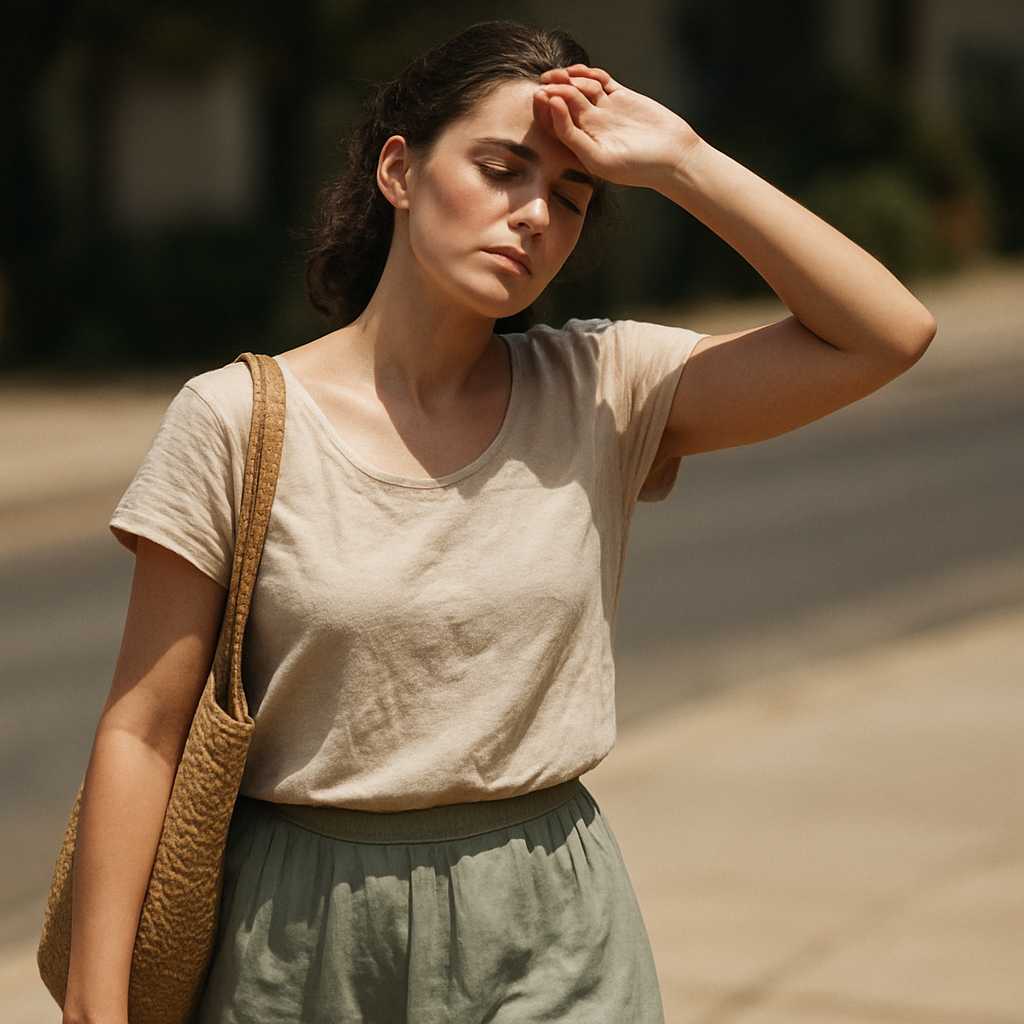
Effective clothing choices can play a critical role in maintaining comfort and energy efficiency during heatwaves, an increasingly common issue in our changing climate. While white clothing is often recommended due to its light-reflecting ability, the reality of thermoregulation is more complex. Research indicates that loose-fitting black clothing can be as effective, if not more so, because it creates an air current that dissipates heat away from the skin, mimicking the natural cooling effect of airflow channels.
The type of material is paramount for staying cool. Natural fibers, such as cotton and linen, allow skin to breathe and facilitate the evaporation of sweat, a crucial consideration in reducing body temperature. These fabrics also trap less heat compared to synthetic options. However, advanced synthetic fabrics with moisture-wicking properties are popular in athletic wear, as they accelerate moisture evaporation.
Moreover, the structural design of clothing, like loosely woven textiles, improves air circulation and comfort. In highly humid conditions, where evaporation is less efficient, choosing materials that allow vapor passage is beneficial. Some experts suggest that wearing slightly damp clothing can enhance the evaporative cooling effect, as the drying process naturally extracts heat from the body.
Historically, various cultures have developed tailored dress methods to combat specific environmental conditions. Bedouins, for example, utilize loose, dark robes in the desert, capitalizing on airflow to manage body temperature amidst heat extremes. Such strategies promote practicality over typical aesthetic conventions, demonstrating the cultural insights into fabric and fashion's environmental interactions.
In summary, aligning clothing choices with heat management principles can lead to enhanced comfort and reduced dependence on air conditioning. These thoughtful apparel decisions not only promote individual well-being but also contribute to broader environmental benefits by lessening household energy consumption.
Original news source: What is the best clothing to keep you cool in a heatwave? (BBC)
🎧 Listen:
📖 Vocabulary:
Group or Classroom Activities
Warm-up Activities:
1. Discuss an item of clothing you can't live without in the summer.
2. What are some ways you keep cool during a heatwave aside from clothing?
3. Share a personal experience of an extremely hot day and how you coped with it.
4. Explain the term "thermoregulation" and how our clothing affects it.
5. Talk about a time when your clothing choice made a significant difference in your comfort level.
🤔 Comprehension Questions:
Natural fiber material is crucial for staying cool as it allows the skin to breathe and facilitates sweat evaporation.
Because thermoregulation involves factors beyond just light reflection, with black clothing potentially creating beneficial air currents.
They have moisture-wicking properties that accelerate moisture evaporation.
They improve air circulation and increase comfort in hot and humid conditions.
Cultures like the Bedouins have developed clothing strategies, such as using loose, dark robes that maximize airflow while managing body temperature.
Wearing slightly damp clothing can enhance the evaporative cooling effect.
By choosing clothing that reduces the need for air conditioning, thus lessening energy consumption.
🎧✍️ Listen and Fill in the Gaps:
Effective choices can play a critical role in maintaining comfort and energy efficiency heatwaves, an increasingly common issue in our changing climate. While clothing is often due to its light-reflecting ability, the reality of thermoregulation is more complex. Research indicates that loose-fitting black clothing can be as effective, if not more so, because it creates an air current that dissipates heat away from the skin, mimicking the natural cooling effect of airflow channels. The type of material is paramount for staying cool. Natural fibers, such as and linen, allow skin to breathe and the evaporation of sweat, a crucial consideration in reducing body temperature. These fabrics also trap less heat compared to synthetic . However, advanced synthetic fabrics with moisture-wicking properties are popular in athletic wear, as they accelerate moisture evaporation. , the structural design of clothing, like loosely woven textiles, improves air circulation and comfort. In highly conditions, where evaporation is less , choosing materials that vapor passage is . Some experts suggest that wearing slightly damp clothing can enhance the evaporative cooling effect, as the drying process naturally extracts heat from the body. Historically, various cultures have developed tailored dress methods to combat specific environmental conditions. Bedouins, for example, utilize loose, dark robes in the desert, capitalizing on airflow to manage body temperature amidst heat extremes. Such strategies promote practicality over typical aesthetic conventions, demonstrating the cultural into fabric and fashion's environmental interactions. In summary, aligning clothing choices with heat management principles can lead to enhanced and reduced on air conditioning. These thoughtful apparel decisions not only promote individual well-being but also contribute to environmental benefits by lessening household energy consumption.
💬 Discussion Questions:
1. How do you prefer to dress in hot weather, and why?
2. Have you ever tried moisture-wicking clothing? What was your experience like?
3. How important is the material of the clothes you wear to you?
4. What are the best ways to enhance clothing to suit different climate conditions?
5. Could cultural dress techniques be integrated into modern fashion trends?
6. What do you think about the environmental impact of fabric choices?
7. Have you observed any cultural clothing styles aimed at managing temperature?
8. How does clothing choice affect your energy consumption at home?
9. What is your opinion on synthetic vs. natural fabric usage?
10. Discuss any traditional clothing practices in your culture designed for heat management.
11. How do economic factors influence your clothing decisions, particularly in hot climates?
12. Do you believe changing clothing styles can significantly impact energy savings?
Individual Activities
📖💭 Vocabulary Meanings:
Click a dot next to a word, then click the dot next to its meaning to draw a line connecting them.