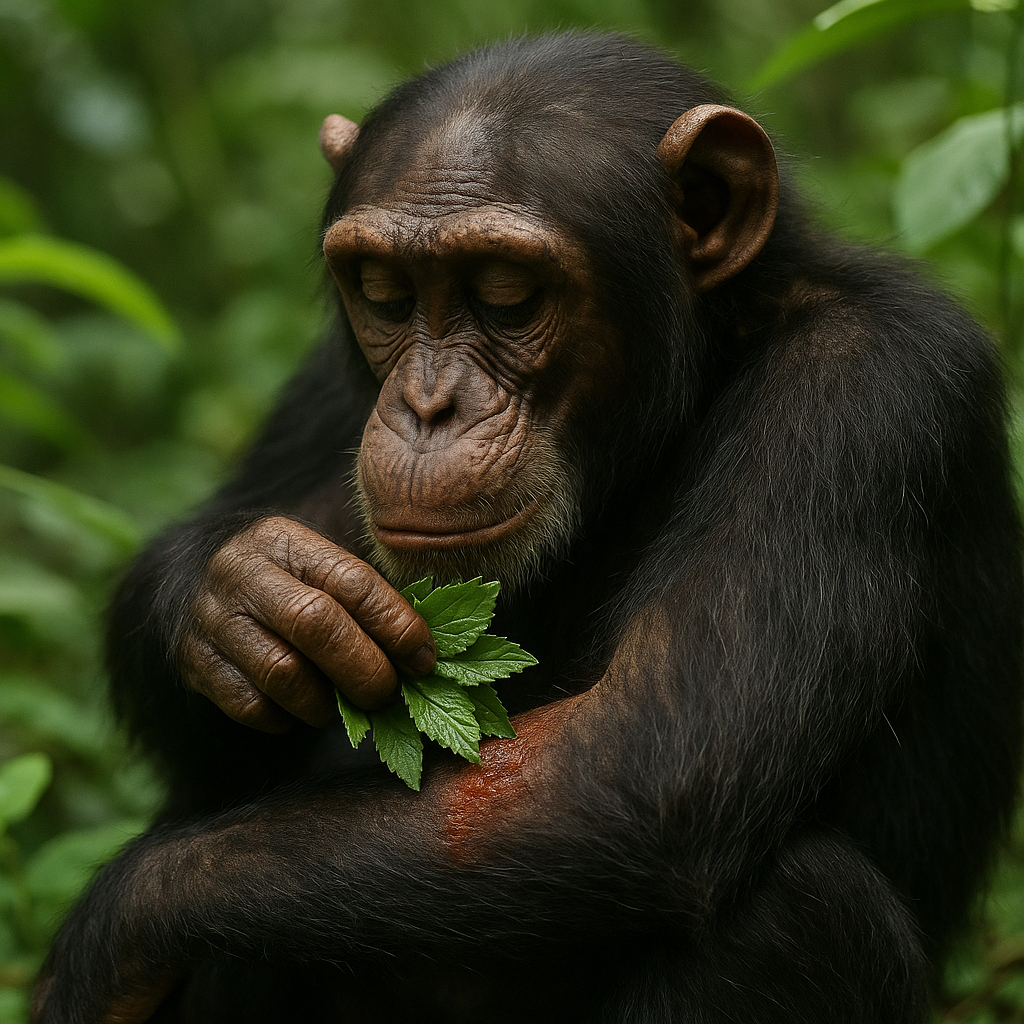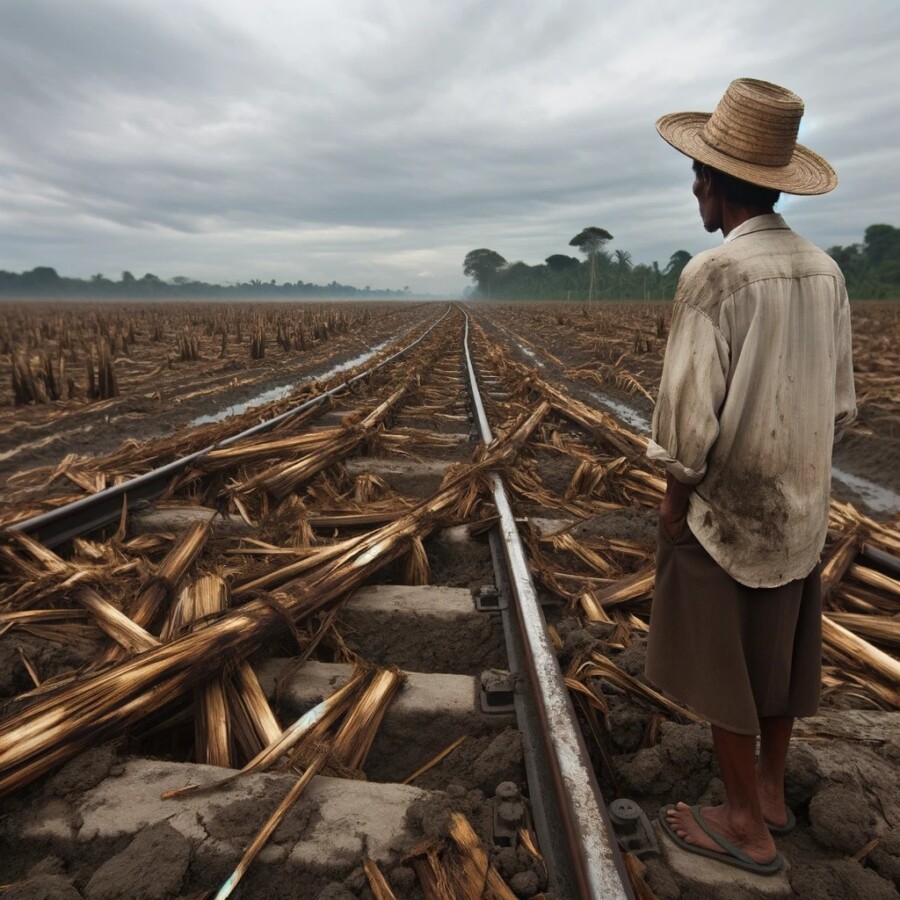


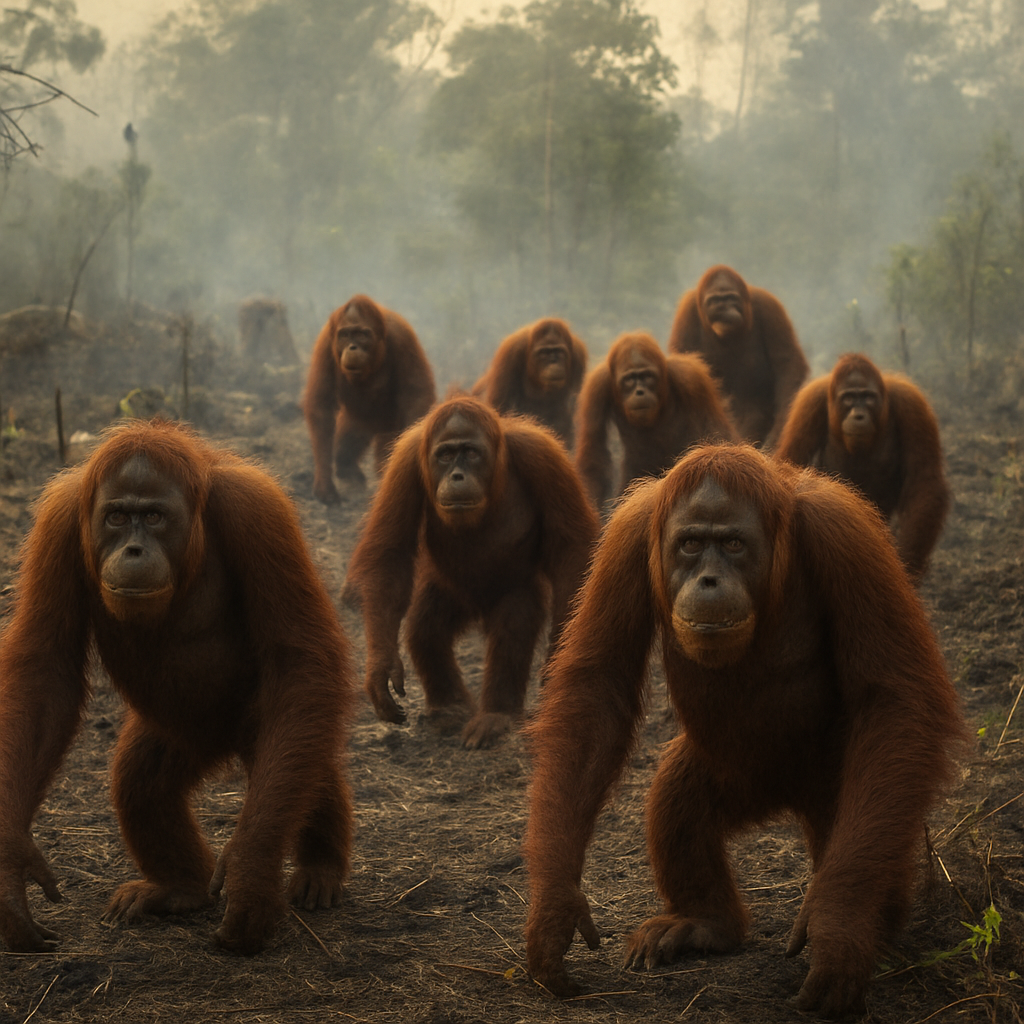
Following destructive wildfires, eight orangutans have been reintroduced into Borneo's safer forests. These orangutans, comprising three mothers with their offspring and two males, were relocated from plantations and other non-native environments. Their return to a habitable forest reserve marks a crucial step in conservation efforts coordinated by International Animal Rescue Indonesia and Indonesian authorities.
Mama Nopi and her offspring were part of the group rescued after surviving in coconut and rubber plantations, as surrounding forests were decimated by fire. The relocation aims to offer sanctuary where food and water are readily accessible. Mama Lifa and her child faced similar struggles, trapped within an acacia grove with little access to sustenance amidst fire-engulfed oil palm plantations.
The increased severity of this year's fires is attributed to the El Niño phenomenon, creating more volatile weather conditions than usual for Indonesia's dry season. These unpredictable patterns intensified habitat destruction, impelling rescue operations. Animal welfare groups emphasize the necessity of relocation to fortify the survival chances of the orangutans amidst these adversities.
Conservationists strive to replenish the drastically dwindling orangutan populations in Borneo and Sumatra, which have declined significantly due to habitat loss. In connection with broader conservation strategies, reintroduction to areas insulated from human encroachment remains critical to their future prosperity.
Current threats underscore the urgency to combat environmental issues exacerbated by climate fluctuations and harmful agricultural land-clearing practices. Recognizing the importance of habitat protection, initiatives to safeguard these vulnerable species promote a sustainable existence in their native habitats.
Original news source: Orangutans released back into Borneo forest after devastating fires – BBC News (BBC)
🎧 Listen:
📖 Vocabulary:
Group or Classroom Activities
Warm-up Activities:
1. Discuss the impact of natural disasters on wildlife.
2. Share a story about a time you helped in an environmental effort.
3. Explain how different climates affect animal habitats.
4. Brainstorm ways to protect endangered species in your region.
5. Describe how climate change influences natural reserves.
🤔 Comprehension Questions:
Eight orangutans were relocated.
The orangutans were rescued from plantations and other non-native environments.
The El Niño phenomenon is blamed for the increased severity of the fires.
Relocation is important to offer them sanctuary with accessible food and water, enhancing their survival chances.
Habitat loss is one of the main threats to orangutan populations.
They emphasize the necessity of relocation to fortify their survival chances amidst adversities.
Environmental issues exacerbated by climate fluctuations and harmful agricultural practices must be combated.
🎧✍️ Listen and Fill in the Gaps:
destructive wildfires, eight orangutans have been reintroduced into safer forests. These orangutans, comprising three mothers with their offspring and two , were relocated from and other non-native environments. Their return to a habitable forest reserve marks a crucial step in conservation efforts coordinated by International Animal Rescue Indonesia and Indonesian authorities. Mama Nopi and her offspring were part of the group rescued after surviving in coconut and rubber plantations, as surrounding forests were decimated by fire. The aims to offer sanctuary where food and are readily accessible. Mama Lifa and her child faced similar struggles, trapped within an acacia grove with access to sustenance fire-engulfed oil palm plantations. The increased severity of this year's fires is attributed to the El Niño phenomenon, creating more volatile weather conditions than usual for Indonesia's dry season. These unpredictable patterns habitat destruction, impelling rescue operations. Animal welfare groups emphasize the of relocation to fortify the survival chances of the orangutans amidst these adversities. strive to replenish the drastically dwindling orangutan populations in and Sumatra, which have declined significantly due to habitat loss. In connection with broader conservation strategies, reintroduction to areas insulated from encroachment remains critical to their future prosperity. threats the urgency to combat environmental issues exacerbated by climate fluctuations and harmful agricultural land-clearing practices. Recognizing the importance of habitat protection, initiatives to safeguard these vulnerable species a sustainable existence in their native habitats.
💬 Discussion Questions:
1. How do you feel about the relocation of wild animals to safer areas?
2. What challenges do you think conservationists face in their efforts?
3. In your opinion, what are the most effective ways to protect endangered species?
4. How can local communities be involved in wildlife conservation?
5. What role do you think governments should play in environmental protection?
6. How does climate change impact the biodiversity in your country?
7. What are some long-term solutions to prevent habitat destruction?
8. How do you think global phenomena like El Niño affect local ecosystems?
9. What can individuals do to support animal welfare initiatives?
10. How can technology aid in the conservation of wildlife?
11. Why do you think some species are at more risk than others?
12. How should international communities collaborate on conservation efforts?
Individual Activities
📖💭 Vocabulary Meanings:
Click a dot next to a word, then click the dot next to its meaning to draw a line connecting them.