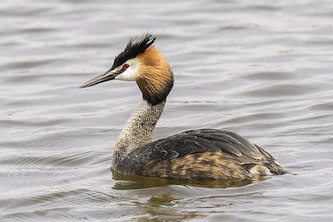
John Oliver's campaign for the pūteketeke gained global attention and caused a frenzy. He described the bird as "weird puking birds with colorful mullets" and even appeared on a chat show wearing a giant pūteketeke costume. Oliver erected billboards in various countries, including New Zealand, Japan, France, and the UK, referring to the bird as the "Lord of the Wings" in a nod to the Lord of the Rings movies filmed in New Zealand. While his campaign was successful, it also faced criticism from those who saw it as American interference in a foreign election.
The intensity of the contest led to some instances of voter fraud, with supporters of other birds attempting to manipulate the results. Despite these efforts, the pūteketeke emerged as the clear winner with over 290,000 votes, while the kiwi came in second place with just 12,904 votes. The kea, kākāpō, and fantail rounded out the top five. This is not the first time the Bird of the Year competition has faced controversy, as last year, the kākāpō was banned from competing after winning twice in the past.
Despite the controversy, the Bird of the Year poll has succeeded in bringing global attention to the plight of New Zealand's native birds. With over 80% of these birds on the threatened species list, the world is watching how New Zealand cares for its avian population. The pūteketeke's victory serves as a reminder of the importance of conservation efforts and the need to protect these unique and vulnerable species.
Original news source: Bird of Century: Pūteketeke wins NZ poll after campaign by John Oliver (BBC)
📖 Vocabulary:
Group or Classroom Activities
Warm-up Activities:
– News Reporter Role-play
Instructions: Split the class into pairs. One student plays the role of a news reporter, the other is an expert on the pūteketeke and the Bird of the Year contest. The reporter conducts an interview, asking questions about the significance of the contest, the characteristics of the pūteketeke, and the controversy surrounding John Oliver's involvement. The expert must provide detailed answers, using vocabulary and information from the article.
– Opinion Poll
Instructions: Create a list of statements about the Bird of the Year contest, the involvement of celebrities in conservation efforts, and the importance of protecting threatened species. Students walk around the room and poll their classmates, recording whether they agree or disagree with each statement. Afterward, discuss the results as a class, encouraging students to explain their opinions using language from the article.
– Article Timeline
Instructions: Provide the students with a series of events from the article (e.g., John Oliver's campaign, instances of voter fraud, the pūteketeke being named Bird of the Century). Ask the students to work in small groups to arrange these events in chronological order on a timeline. This activity helps students practice sequencing and using language related to time and order.
– Vocabulary Pictionary
Instructions: Write down key vocabulary words from the article (e.g., "vulnerable," "regurgitate," "frenzy," "interference," "conservation") on slips of paper. Students take turns drawing a word and sketching it on the board without using any letters or verbal clues. Their teammates have to guess the word based on the drawing, which reinforces their understanding of the article's vocabulary in a fun and interactive way.
– Future Predictions
Instructions: Ask students to imagine the future of the Bird of the Year contest and the conservation of native birds in New Zealand. Students write down their predictions, using modal verbs for speculation (e.g., "might," "could," "will"). Then, they share their predictions with the class or in small groups, discussing the likelihood and potential impacts of each scenario. This activity encourages the use of language structures for making predictions and discussing future possibilities.
🤔 Comprehension Questions:
The pūteketeke was named the Bird of the Century in a recent New Zealand poll.
The US talk show host that campaigned for the crested grebe was John Oliver, and the bird is commonly known as the pūteketeke.
The Bird of the Year contest has been running for almost 20 years.
Over 350,000 votes were cast in the Bird of the Year contest this year, from nearly 200 countries.
John Oliver referred to the pūteketeke as "weird puking birds with colorful mullets" and wore a giant pūteketeke costume on a chat show.
Oliver's campaign for the pūteketeke faced criticism for being seen as American interference in a foreign election.
The kiwi came in second place in the Bird of the Year contest, receiving 12,904 votes.
According to the article, over 80% of New Zealand's native birds are on the threatened species list.
🎧✍️ Listen and Fill in the Gaps:
The pūteketeke, a bird of New Zealand, has been named the Bird of the Century in a recent poll. This came after a campaign by US talk show host John Oliver, who advocated for the crested grebe. The Bird of the Year contest, which has been running for almost 20 years, received a record number of votes this year, with over 350,000 ballots cast from nearly 200 countries. The pūteketeke, with its unique appearance, adorable parenting style, and tendency to regurgitate, won over and secured the top spot. John Oliver's campaign for the pūteketeke gained global attention and caused a frenzy. He described the bird as "weird puking birds with colorful mullets" and even appeared on a chat show wearing a giant pūteketeke costume. Oliver erected billboards in various countries, including New , Japan, France, and the UK, to the bird as the "Lord of the Wings" in a nod to the Lord of the Rings movies in New Zealand. While his campaign was successful, it also faced criticism from those who saw it as American interference in a foreign election. The intensity of the contest led to some instances of voter fraud, with supporters of other attempting to manipulate the results. Despite these efforts, the emerged as the clear winner with over 290,000 votes, while the kiwi came in place with just 12,904 votes. The kea, kākāpō, and fantail out the top five. This is not the first time the Bird of the Year competition has faced controversy, as last year, the kākāpō was banned from competing after winning twice in the past. Despite the controversy, the Bird of the Year poll has succeeded in bringing attention to the of New Zealand's native birds. With over 80% of these birds on the threatened species list, the world is how New Zealand cares for its avian population. The pūteketeke's victory as a reminder of the importance of conservation efforts and the need to protect these unique and vulnerable species.
💬 Discussion Questions:
1. What is your opinion on using humor and celebrity influence to raise awareness for conservation efforts?
2. How would you feel if a celebrity from another country became involved in a local campaign in your country?
3. Do you think that involving celebrities in environmental campaigns is effective in bringing global attention to local issues? Why or why not?
4. What are some unique ways you've seen people advocate for wildlife conservation in your own country or elsewhere?
5. How do you think the involvement of someone like John Oliver could impact the perception of conservation campaigns among the younger generation?
6. Do you like the idea of a "Bird of the Year" contest to promote awareness of bird species? Why or why not?
7. What is a creative campaign you would propose to raise awareness for an endangered species in your area?
8. Have you ever participated in any kind of wildlife or environmental vote or poll? What was it like?
9. Do you think that playful campaigns like the Bird of the Year contest are more effective than serious ones? Why or why not?
10. How would you feel if a species from your country was named "Animal of the Century" in a global poll?
11. Do you think that campaigns like the Bird of the Year can lead to tangible conservation results? Why or why not?
12. What is your favorite bird, and what characteristics make it special to you?
13. How important do you think it is to protect native species, and what role do you think the general public should play in this?
14. Do you think that voter fraud in contests like these reflects deeper issues in society? Why or why not?
15. Do you believe that New Zealand's approach to conservation, including contests like this, could serve as a model for other countries? Why or why not?
Individual Activities
📖💭 Vocabulary Meanings:
Click a dot next to a word, then click the dot next to its meaning to draw a line connecting them.
Words
Meanings
🔡 Multiple Choice Questions:
🕵️ True or False Questions:
📝 Write a Summary:
Write a summary of this news article in two sentences.
Check your writing now with the best free AI for English writing!