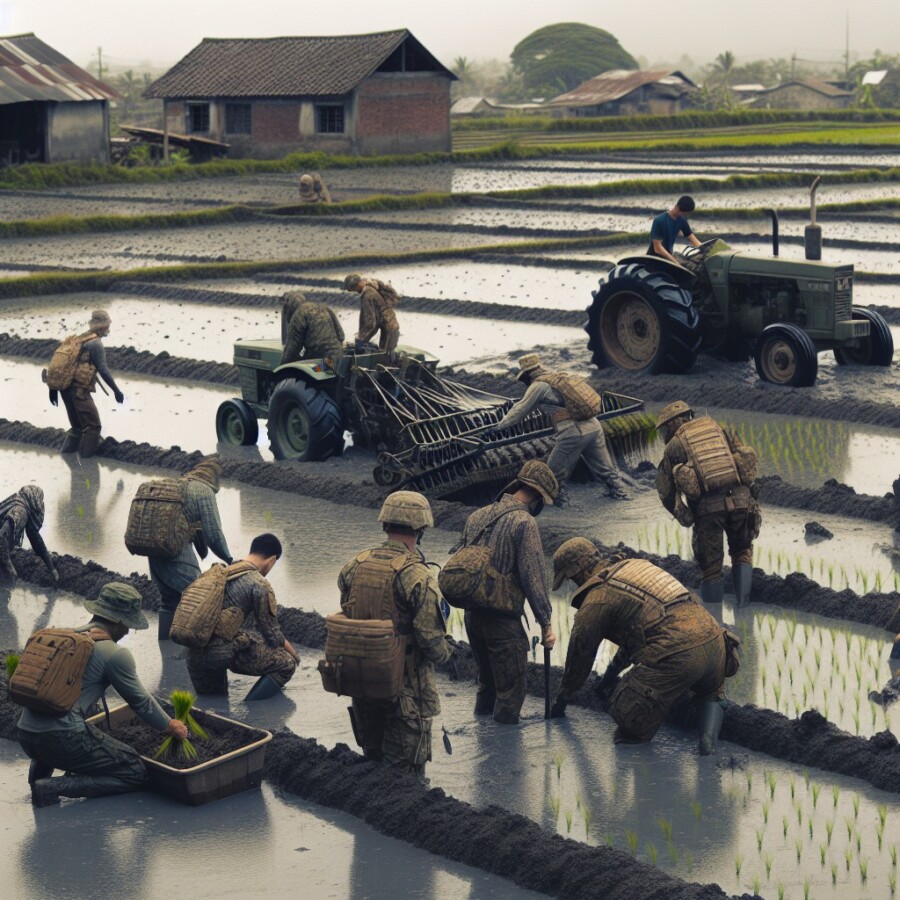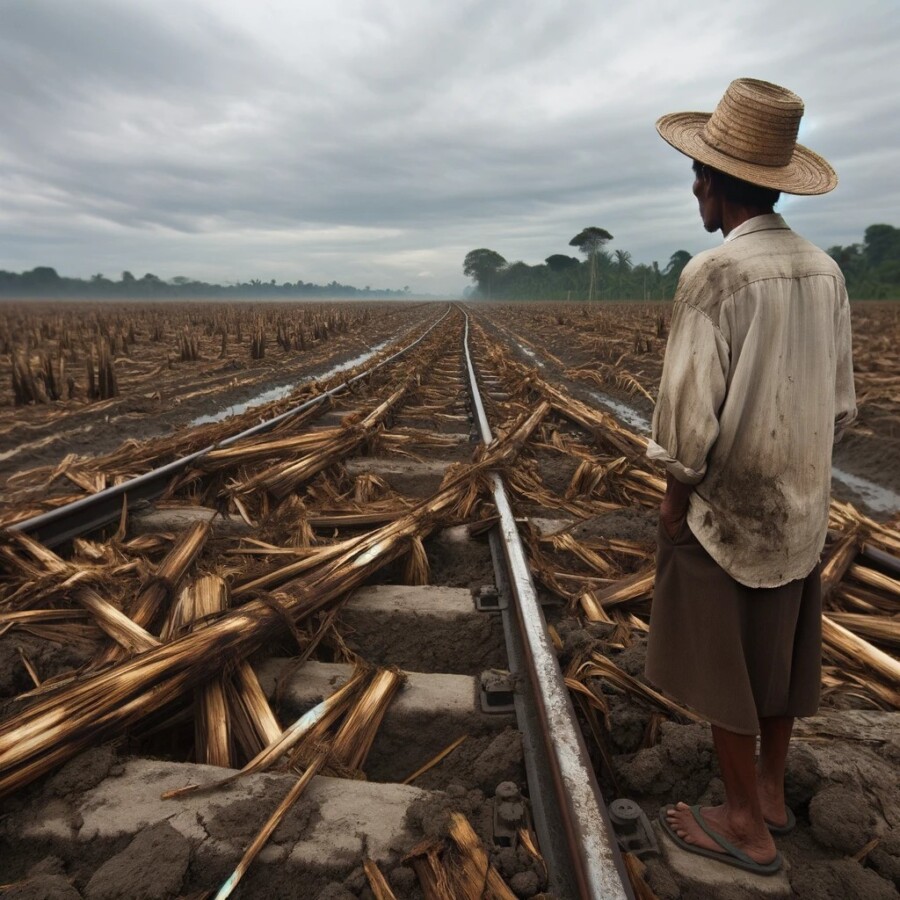

The video discusses the issue of deforestation in Mozambique and highlights a project that aims to restore the forests to their natural diversity. Mozambique has been experiencing rapid deforestation, primarily due to the clearing of trees for farmland and unsustainable commercial logging of protected species. However, this project is working with villages near Chimanimani National Park to reverse this trend.
The project recognizes the importance of forests in providing various ecological benefits, such as regulating the climate, preserving biodiversity, and supporting local communities. By involving local communities in the restoration efforts, the project aims to create a sense of ownership and responsibility among the villagers. This approach is crucial for the long-term success of the project.
The video emphasizes the need for sustainable land use practices and the importance of protecting forests for future generations. It also highlights the potential for regaining the forests that once existed in Mozambique. Through reforestation and conservation efforts, it is possible to restore the natural beauty and diversity of the forests.
The project's success depends on the collaboration between various stakeholders, including government agencies, non-profit organizations, and local communities. By working together, they can implement effective strategies to combat deforestation and promote sustainable forest management.
In conclusion, the video sheds light on the alarming rate of deforestation in Mozambique and the efforts being made to reverse this trend. It emphasizes the importance of forests and the potential for restoring them to their former glory. By involving local communities and implementing sustainable land use practices, it is possible to regain the forests that once thrived in Mozambique.
Original news source: ‘It's possible to regain the forest we once had’ (BBC)
🎧 Listen:
📖 Vocabulary:
Group or Classroom Activities
Warm-up Activities:
– News Summary
Instructions: Have students watch the video and then write a summary of the main points discussed. Encourage them to include key details and facts about deforestation in Mozambique, the project to restore the forests, and the importance of involving local communities.
– Opinion Poll
Instructions: Divide the class into pairs or small groups. Have each group come up with a list of questions related to deforestation and the restoration project in Mozambique. Then, have them take turns asking and answering the questions within their group. Afterwards, have a class discussion where groups share their findings and opinions.
– Vocabulary Pictionary
Instructions: Prepare a list of vocabulary words related to deforestation and restoration. Divide the class into teams. Give each team a word and have them draw a picture that represents the word. The other teams must guess the word based on the drawing. Encourage students to use their knowledge of the video and the topic to come up with accurate drawings.
– Speed Summarizing
Instructions: Divide the class into pairs. Have one student summarize the video in one minute or less, while the other student listens. Then, have them switch roles. Encourage students to focus on the main points and key details. After each round, have pairs discuss any differences or similarities in their summaries.
– Pros and Cons
Instructions: Divide the class into two groups. Assign one group to argue the pros of deforestation in Mozambique, while the other group argues the cons. Give students time to research and gather evidence to support their arguments. Then, have a debate where each group presents their arguments. Encourage students to use critical thinking and persuasive language.
🤔 Comprehension Questions:
The primary causes of deforestation in Mozambique are the clearing of trees for farmland and unsustainable commercial logging of protected species.
The project is working with villages near Chimanimani National Park to involve local communities in the restoration efforts. This is done to create a sense of ownership and responsibility among the villagers.
Forests provide various ecological benefits, such as regulating the climate, preserving biodiversity, and supporting local communities.
Involving local communities is crucial for the long-term success of the project because it creates a sense of ownership and responsibility among the villagers. This helps ensure the sustainability and continued care of the restored forests.
Sustainable land use practices are important because they ensure the long-term health and productivity of the land. They help prevent deforestation and promote responsible use of natural resources.
The various stakeholders involved in the project include government agencies, non-profit organizations, and local communities.
Some strategies that can be implemented to combat deforestation include promoting sustainable land use practices, enforcing protected area regulations, providing alternative livelihood options for local communities, and raising awareness about the importance of forests.
The potential for restoring the forests in Mozambique is high, as shown by the project's efforts to involve local communities and implement sustainable land use practices. With the collaboration of various stakeholders, it is possible to regain the forests that once thrived in Mozambique.
🎧✍️ Listen and Fill in the Gaps:
The video discusses the issue of in Mozambique and highlights a that aims to restore the to their natural . Mozambique has been experiencing rapid deforestation, primarily due to the clearing of trees for farmland and unsustainable commercial logging of protected species. However, this project is working with villages near Chimanimani National Park to reverse this trend. The project recognizes the importance of forests in providing various ecological benefits, such as regulating the climate, preserving , and supporting communities. By involving local communities in the restoration efforts, the project aims to create a sense of ownership and responsibility among the villagers. This approach is crucial for the long-term success of the project. The video the need for sustainable land use practices and the of protecting forests for future generations. It also highlights the potential for regaining the forests that once existed in Mozambique. Through reforestation and conservation efforts, it is possible to the beauty and diversity of the forests. The project's success depends on the between various stakeholders, including government agencies, non-profit organizations, and local . By working together, they can implement effective strategies to combat deforestation and promote forest management. In conclusion, the video sheds light on the alarming rate of deforestation in Mozambique and the efforts being made to reverse this . It emphasizes the importance of forests and the potential for restoring them to their former glory. By local communities and implementing sustainable land use , it is possible to regain the forests that once thrived in Mozambique.
💬 Discussion Questions:
1. What is the main cause of deforestation in Mozambique?
2. How would you feel if your local forest was being destroyed for farmland?
3. Do you think involving local communities in restoration efforts is an effective strategy? Why or why not?
4. What are some potential ecological benefits of forests?
5. How do you think deforestation affects biodiversity?
6. Do you like the idea of sustainable land use practices? Why or why not?
7. What role do you think government agencies should play in combating deforestation?
8. How do you think non-profit organizations can contribute to reforestation efforts?
9. Why do you think local communities should have a sense of ownership and responsibility for the forests?
10. How would you feel if you were part of a project working to restore a forest?
11. What do you think are some challenges in implementing effective strategies to combat deforestation?
12. Do you think it is possible to restore the natural beauty and diversity of the forests in Mozambique? Why or why not?
13. How do you think climate regulation is affected by deforestation?
14. Have you ever witnessed deforestation in your own country? How did it make you feel?
15. What do you think are some long-term benefits of sustainable forest management?
Individual Activities
📖💭 Vocabulary Meanings:
Click a dot next to a word, then click the dot next to its meaning to draw a line connecting them.
Words
Meanings
🔡 Multiple Choice Questions:
🕵️ True or False Questions:
📝 Write a Summary:
Write a summary of this news article in two sentences.
Check your writing now with the best free AI for English writing!