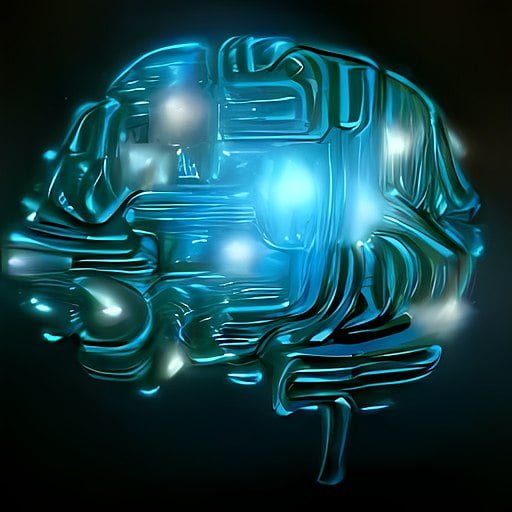


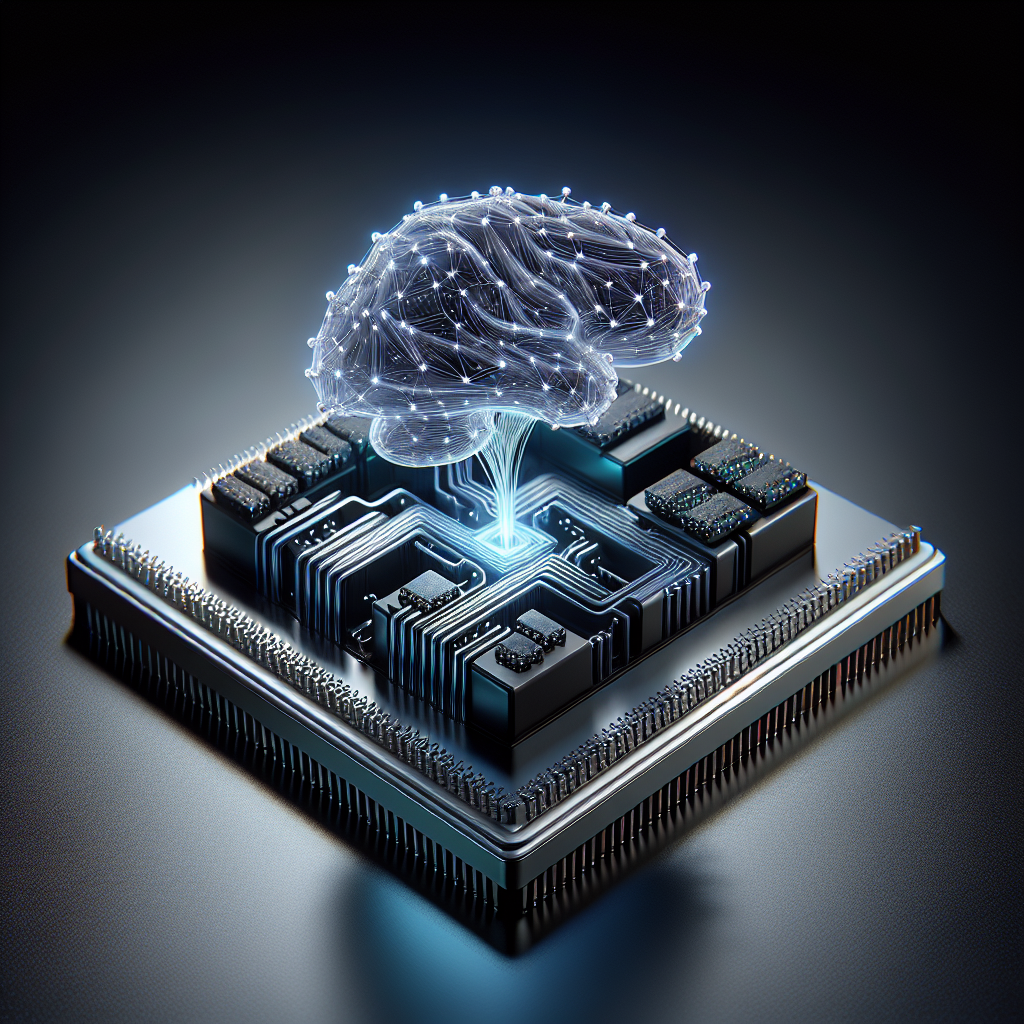
People use a lot of electricity for computers, AI, and cryptocurrency. By 2026, they will need even more. Some companies want to make new kinds of computers that work like our brains. These brain-like computers could use less electricity and work faster. Big companies like Intel and IBM are trying to make these new computers.
These brain-like computers are different from regular ones. They put memory and processing together on one chip, saving energy. They only work when they need to, like our brains. There are still problems to fix, but people think these computers could change how we use AI. In the future, we might use regular, brain-like, and even quantum computers together.
Original news source: Could brain-like computers be a 'competition killer'? (BBC)
🎧 Listen:
📖 Vocabulary:
Group or Classroom Activities
Warm-up Activities:
– Charades
Instructions: Write down key words from the article on separate pieces of paper. Divide the class into small groups. One student from each group will pick a word and act it out without speaking. The rest of the group will try to guess the word based on the student's actions.
– News Summary
Instructions: Divide the class into pairs. Each pair will take turns summarizing the article in their own words. They should try to include the main points and key details. After both partners have shared their summaries, they can compare and discuss any differences or similarities.
– Opinion Poll
Instructions: Create a list of statements related to the article, such as "Brain-like computers will replace regular computers in the future." Have the students indicate whether they agree or disagree with each statement by raising their hands or standing in different parts of the room. After each statement, allow a few students to share their reasons for their opinions.
– Vocabulary Pictionary
Instructions: Write down key words from the article on separate pieces of paper. Divide the class into pairs. One student from each pair will pick a word and draw a picture to represent it, while the other student tries to guess the word. They can only communicate through their drawings.
– Think-Pair-Share
Instructions: Have the students think about and write down their answers to the question: "How do you think brain-like computers could change the way we use AI?" Then, pair the students up and have them share their answers with each other. Afterward, ask a few pairs to share their ideas with the whole class.
🤔 Comprehension Questions:
People use a lot of electricity for computers, AI, and cryptocurrency.
Some companies want to make new kinds of computers that work like our brains.
Brain-like computers put memory and processing together on one chip, which helps save energy.
Brain-like computers only work when they need to, just like our brains.
Brain-like computers work only when they need to.
Yes, there are still problems with brain-like computers that need to be fixed.
In the future, we might use regular, brain-like, and quantum computers together to do different tasks and solve different problems.
🎧✍️ Listen and Fill in the Gaps:
People use a lot of for , AI, and cryptocurrency. By 2026, they will need even more. Some companies want to make new kinds of computers that work like our . These brain-like computers could use less electricity and work faster. Big companies like Intel and IBM are trying to these new computers. These brain-like computers are from regular ones. They put memory and processing together on one chip, saving energy. They only when they need to, like our brains. There are still problems to fix, but think these computers could change how we use AI. In the future, we might use regular, brain-like, and even computers together.
💬 Discussion Questions:
1. What is electricity used for?
2. How do brain-like computers work?
3. Do you think brain-like computers are a good idea? Why or why not?
4. What problems do brain-like computers still have?
5. How do you think brain-like computers could change how we use AI?
6. What other types of computers might we use in the future?
7. Do you like using computers? Why or why not?
8. How would you feel if computers used less electricity and worked faster?
9. Do you think brain-like computers will be popular in the future? Why or why not?
10. What do you think about the idea of using regular, brain-like, and quantum computers together?
11. Have you ever used a brain-like computer? Why or why not?
12. How do you think computers have changed the world?
Individual Activities
📖💭 Vocabulary Meanings:
Click a dot next to a word, then click the dot next to its meaning to draw a line connecting them.
Words
Meanings
🔡 Multiple Choice Questions:
🕵️ True or False Questions:
📝 Write a Summary:
Write a summary of this news article in two sentences.
Check your writing now with the best free AI for English writing!