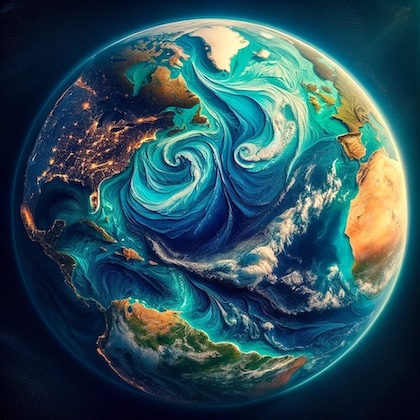


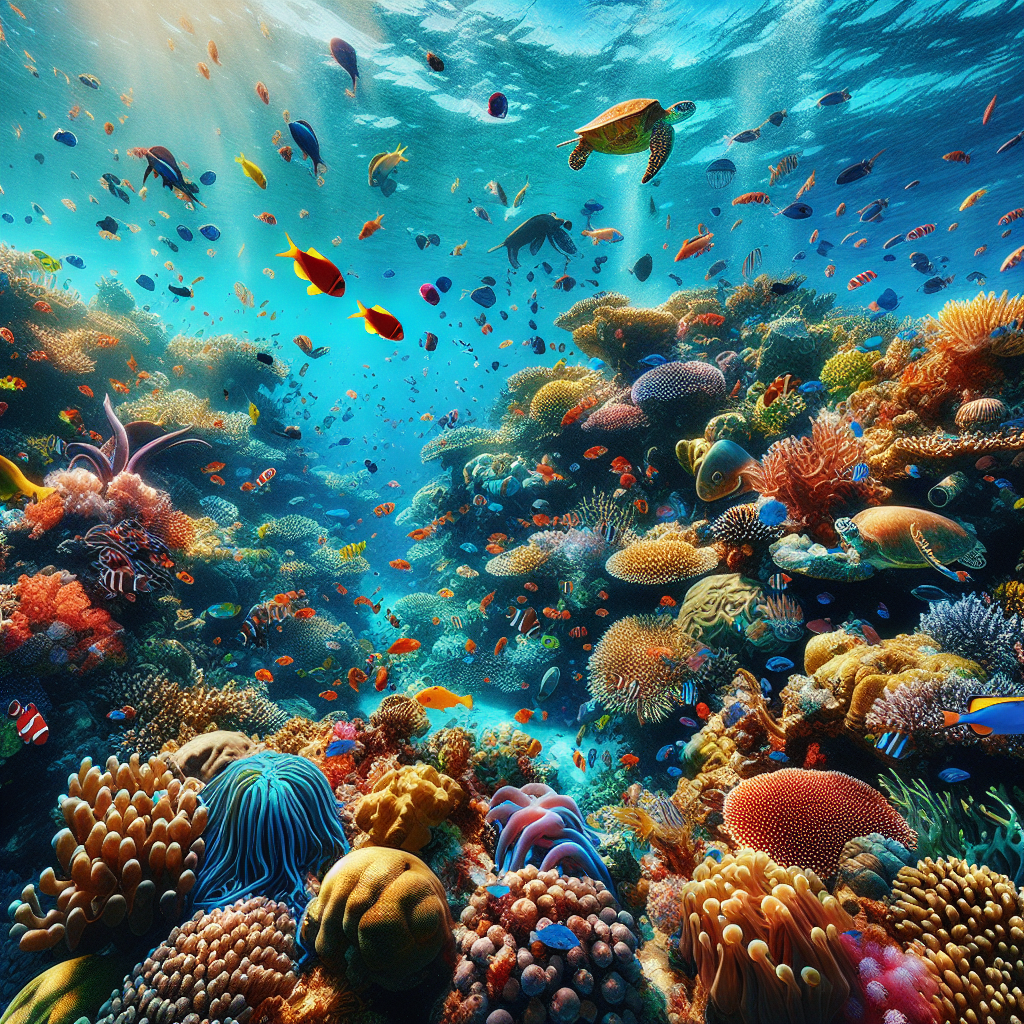
The ocean is getting very hot, and this is making coral reefs sick. When coral gets too hot, it turns white and this is called bleaching. This is happening in many places like the Atlantic, Pacific, and Indian Oceans. Coral reefs are very important for fish and people who fish. Scientists say we need to stop making the planet warmer to help the coral.
Last year, the first signs of coral bleaching were seen in the Caribbean. Now, more than half of the world’s coral is affected, including the Great Barrier Reef in Australia. The ocean has been hotter than ever since last August. Climate change and a natural event called El Niño are making the water even warmer. Coral can get better, but it needs time, and the heat is not giving it enough time to heal.
Original news source: World's coral turns white from deadly ocean heat (BBC)
🎧 Listen:
📖 Vocabulary:
Group or Classroom Activities
Warm-up Activities:
– Charades
Instructions: Divide the class into small groups. Give each group a set of cards with words related to the article (e.g. coral, bleaching, fish, heat). One student from each group will act out the word without speaking, while the other students guess what the word is. The group that guesses the most words correctly wins.
– News Summary
Instructions: In pairs, students take turns summarizing the main points of the article to their partner. Encourage them to use their own words and keep the summary brief. After each summary, the partner can ask questions for clarification or more details.
– Opinion Poll
Instructions: Give each student a piece of paper with the statement "Coral reefs are important because ___________." Students should complete the sentence with their own opinion, and then walk around the classroom asking their classmates for their opinions. They can write down their classmates' opinions next to their names on the paper. Afterward, students can share some of the opinions they collected with the class.
– Vocabulary Pictionary
Instructions: Write down a list of vocabulary words from the article on individual cards (e.g. coral, bleaching, reef, fish). Divide the class into two teams. One student from each team will come to the front of the class and choose a card without showing it to their team. They must then draw a picture to represent the word, while their team tries to guess what the word is. The team that guesses correctly gets a point.
– Pass the Story
Instructions: Sit the class in a circle. Begin by telling the first sentence of a story related to the article (e.g. "The ocean is getting very hot."). The first student then continues the story with the next sentence, and it continues around the circle until the story is complete. Encourage students to use their imagination and add interesting details to the story.
🤔 Comprehension Questions:
When coral gets too hot, it turns white and this is called bleaching.
Coral bleaching is happening in many places like the Atlantic, Pacific, and Indian Oceans.
Coral reefs are important for fish and people who fish.
Scientists say we need to stop making the planet warmer to help the coral.
The first signs of coral bleaching were seen in the Caribbean.
More than half of the world's coral is affected by bleaching.
Climate change and a natural event called El Niño are making the water even warmer.
🎧✍️ Listen and Fill in the Gaps:
The ocean is getting very hot, and this is making coral reefs sick. When coral gets too hot, it turns and this is called bleaching. This is in many places like the Atlantic, Pacific, and Indian . Coral reefs are very important for fish and people who fish. Scientists say we need to stop making the warmer to help the coral. Last year, the first signs of bleaching were seen in the Caribbean. Now, more than half of the world’s coral is affected, including the Barrier Reef in Australia. The ocean has been hotter than ever since last August. Climate change and a natural event called El Niño are making the water even . can get better, but it needs time, and the heat is not giving it enough time to heal.
💬 Discussion Questions:
1. What is coral bleaching?
2. How do you think fish rely on coral reefs?
3. Do you like going swimming in the ocean? Why or why not?
4. How would you feel if you saw coral turning white?
5. What do you think scientists can do to help the coral reefs?
6. Have you ever seen coral reefs before? Where?
7. Why do you think the ocean is getting hotter?
8. Do you think it's important to protect the coral reefs? Why or why not?
9. How do you think coral reefs help the planet?
10. What do you think would happen to the fish if the coral reefs disappeared?
11. Do you think we should stop making the planet warmer? Why or why not?
12. How can we help the coral reefs heal?
Individual Activities
📖💭 Vocabulary Meanings:
Click a dot next to a word, then click the dot next to its meaning to draw a line connecting them.
Words
Meanings
🔡 Multiple Choice Questions:
🕵️ True or False Questions:
📝 Write a Summary:
Write a summary of this news article in two sentences.
Check your writing now with the best free AI for English writing!