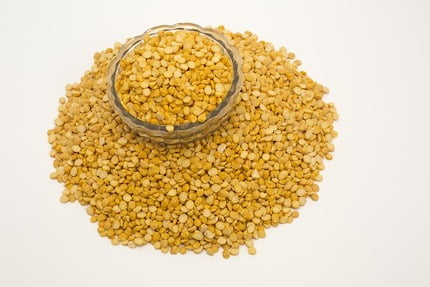
The scientists say their cheese is good for people and the Earth. Peas are better for the Earth than milk and cheese, and they help the soil too. The Good Pulse Company will only use peas grown in the UK. They got money from a group called Innovate UK and want to work with a UK cheese company to sell their cheese. The cheese tastes like cheddar cheese and is good for people who want to eat healthy food and more peas. The cheese has a little protein now, but the scientists want to make it have more protein.
Original news source: Could cheese made from peas be a healthy alternative for vegans? (BBC)
📖 Vocabulary:
Group or Classroom Activities
Warm-up Activities:
– Charades
Instructions: Divide the class into small groups. Give each group a set of cards with words related to the article (e.g. cheese, peas, vegan, protein, flour). One student from each group will act out the word without speaking, while the rest of the group tries to guess the word.
– Vocabulary Pictionary
Instructions: Divide the class into pairs. Give each pair a word related to the article (e.g. cheese, peas, vegan, protein, flour). One student will draw a picture to represent the word, while the other student tries to guess the word. Students can take turns being the drawer and the guesser.
– Word Association
Instructions: Write the word "cheese" on the board. Ask students to brainstorm and write down as many words as they can think of that are related to cheese. Then, ask students to choose one of the words and write down more words that are related to the chosen word. Encourage students to share their associations with the class.
– Opinion Poll
Instructions: Ask students to form small groups. Give each group a set of statements related to the article (e.g. "Cheese made from peas is a good alternative to traditional cheese", "Peas are better for the Earth than milk and cheese"). Students discuss the statements in their groups and decide whether they agree or disagree. Then, have each group share their opinions with the class.
– Headline Creation
Instructions: Divide the class into pairs. Ask each pair to create a catchy headline for an article about "Cheese from Peas". Encourage students to use their imagination and think of creative, attention-grabbing headlines. After a few minutes, have pairs share their headlines with the class and discuss why they chose their particular headline.
🤔 Comprehension Questions:
The scientists made the cheese from yellow split peas.
This cheese is different because it has more protein than other vegan cheeses.
The scientists made the cheese by grinding the peas into a flour, mixing it with water, and cooking it.
The scientists say their cheese is good because peas are better for the Earth than milk and cheese, and they help the soil too.
The Good Pulse Company will get their peas from the UK.
The cheese tastes like cheddar cheese.
The scientists want to make the cheese have more protein in the future.
🎧✍️ Listen and Fill in the Gaps:
Scientists at a place called the University of Nottingham and a company called The Good Pulse Company made a new kind of cheese from yellow split peas. This cheese, named "Cheese from Peas," has more than vegan cheeses, which are usually made from coconut oil and don't have a lot of protein. The scientists made the cheese by the peas into a flour, then mixing the flour with and cooking it to make the cheese. The scientists say their cheese is good for people and the Earth. Peas are better for the Earth than milk and cheese, and they help the soil too. The Good Pulse Company will only use peas in the UK. They got money from a called Innovate UK and want to work with a UK cheese company to sell their cheese. The cheese like cheddar cheese and is good for who want to eat healthy food and more peas. The cheese has a little protein now, but the scientists want to make it have more protein.
💬 Discussion Questions:
1. What is vegan cheese made from?
2. How is Cheese from Peas different from other vegan cheeses?
3. Do you like cheese made from peas? Why or why not?
4. How do peas help the Earth?
5. Have you ever eaten food made from peas? How did it taste?
6. Do you think Cheese from Peas is a healthy food? Why or why not?
7. What other foods do you like that have a lot of protein?
8. How do you think the scientists made the cheese from peas?
9. Would you like to try making cheese from peas at home? Why or why not?
10. How would you feel if you could only eat cheese made from peas instead of regular cheese? Why?
11. Do you think Cheese from Peas will become popular? Why or why not?
12. If you had the chance, would you try Cheese from Peas? Why or why not?
Individual Activities
📖💭 Vocabulary Meanings:
Click a dot next to a word, then click the dot next to its meaning to draw a line connecting them.
Words
Meanings
🔡 Multiple Choice Questions:
🕵️ True or False Questions:
📝 Write a Summary:
Write a summary of this news article in two sentences.
Check your writing now with the best free AI for English writing!