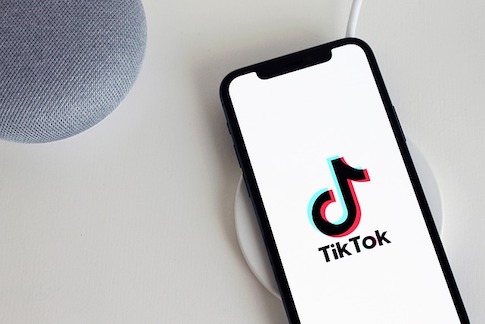
Some people are worried because they think everyone should be able to say what they want. A man who helps lead a big group in Nepal doesn't like the ban. He thinks the government should just make sure TikTok is safe, not stop it. TikTok's big company says it's not doing anything wrong, but some people are still not sure.
In Nepal, there have been many problems because of TikTok. A lot of young people there use TikTok more than other apps. A report says that most people who use the internet and are young like TikTok. In other countries, like Pakistan and Indonesia, they have also stopped TikTok sometimes.
Original news source: Nepal bans TikTok citing disruption to social harmony (BBC)
📖 Vocabulary:
Group or Classroom Activities
Warm-up Activities:
– News Summary
Instructions: Divide the class into small groups. Each group will read the article and then work together to come up with a brief summary of what they read in their own words. They should focus on the main points: the TikTok ban in Nepal, the government's reasons, opposition to the ban, and TikTok's popularity among the youth. Afterward, each group will share their summary with the class.
– Opinion Poll
Instructions: Create a list of statements about the article such as "Governments should be able to ban apps like TikTok" or "Social media apps are harmful to society". Students will walk around the room and sign their names under agree or disagree for each statement. After everyone has voted, discuss the results as a class and allow students to explain their opinions.
– Word Association
Instructions: Write the word "TikTok" on the board and ask students to say or write down any words or phrases that come to their mind related to the article. This may include "ban," "Nepal," "government," "young people," "internet," etc. After a couple of minutes, review the words as a class and discuss the connections.
– Headline Creation
Instructions: Ask the students to imagine they are journalists reporting on the story. In pairs or small groups, they must create an attention-grabbing headline that summarizes the article's main event. Encourage creativity and accuracy. Share the headlines with the class and discuss which ones best capture the essence of the article.
– Future Predictions
Instructions: Have the students work in pairs to discuss and write down their predictions about the future implications of the TikTok ban in Nepal. Prompt them to consider questions such as: Will the ban last? How might it affect young people in Nepal? Will other countries follow suit? Afterward, pairs can share their predictions with the class and compare ideas.
🤔 Comprehension Questions:
Nepal has stopped people from using TikTok.
Nepal stopped TikTok because they think it makes people not get along and spreads mean things.
Some people in Nepal don't like the ban and think the government should just make TikTok safe.
The big company that owns TikTok says it's not doing anything wrong.
Mostly young people in Nepal use TikTok.
Pakistan and Indonesia have also stopped TikTok sometimes.
Some people think the government should make sure TikTok is safe instead of stopping it.
🎧✍️ Listen and Fill in the Gaps:
Nepal has stopped from using a big app called . They say the app is bad for people getting along with each other. TikTok is used by of people around the world, but some other countries have stopped it too. A person who works for Nepal's government said TikTok can mean and they won't let it work in Nepal anymore. Some people are worried because they think everyone should be able to say what they . A man who helps lead a big group in Nepal doesn't like the ban. He thinks the government should just make sure TikTok is safe, not it. TikTok's big says it's not doing anything wrong, but some people are still not sure. In Nepal, there have been problems because of TikTok. A lot of young people there use TikTok more than apps. A report says that most people who use the internet and are young like TikTok. In other countries, like and , they have also stopped TikTok sometimes.
💬 Discussion Questions:
1. What is an app you like to use on your phone or computer?
2. How would you feel if your favorite app was stopped by your country?
3. Do you like making videos to share with friends? Why or why not?
4. What do you think about people saying mean things on the internet?
5. Have you ever used TikTok? If yes, what do you like about it?
6. Do you think it's okay for a government to stop an app? Why or why not?
7. What is something you can do to be safe when you use apps?
8. How do you think people should solve problems with apps?
9. Do you think it's important for everyone to say what they want online? Why or why not?
10. What is a good way to have fun without using apps or the internet?
11. Have you heard of any apps being stopped in your country? What happened?
12. Do you think it's better to fix a problem with an app or to stop using it completely? Why?
Individual Activities
📖💭 Vocabulary Meanings:
Click a dot next to a word, then click the dot next to its meaning to draw a line connecting them.
Words
Meanings
🔡 Multiple Choice Questions:
🕵️ True or False Questions:
📝 Write a Summary:
Write a summary of this news article in two sentences.
Check your writing now with the best free AI for English writing!