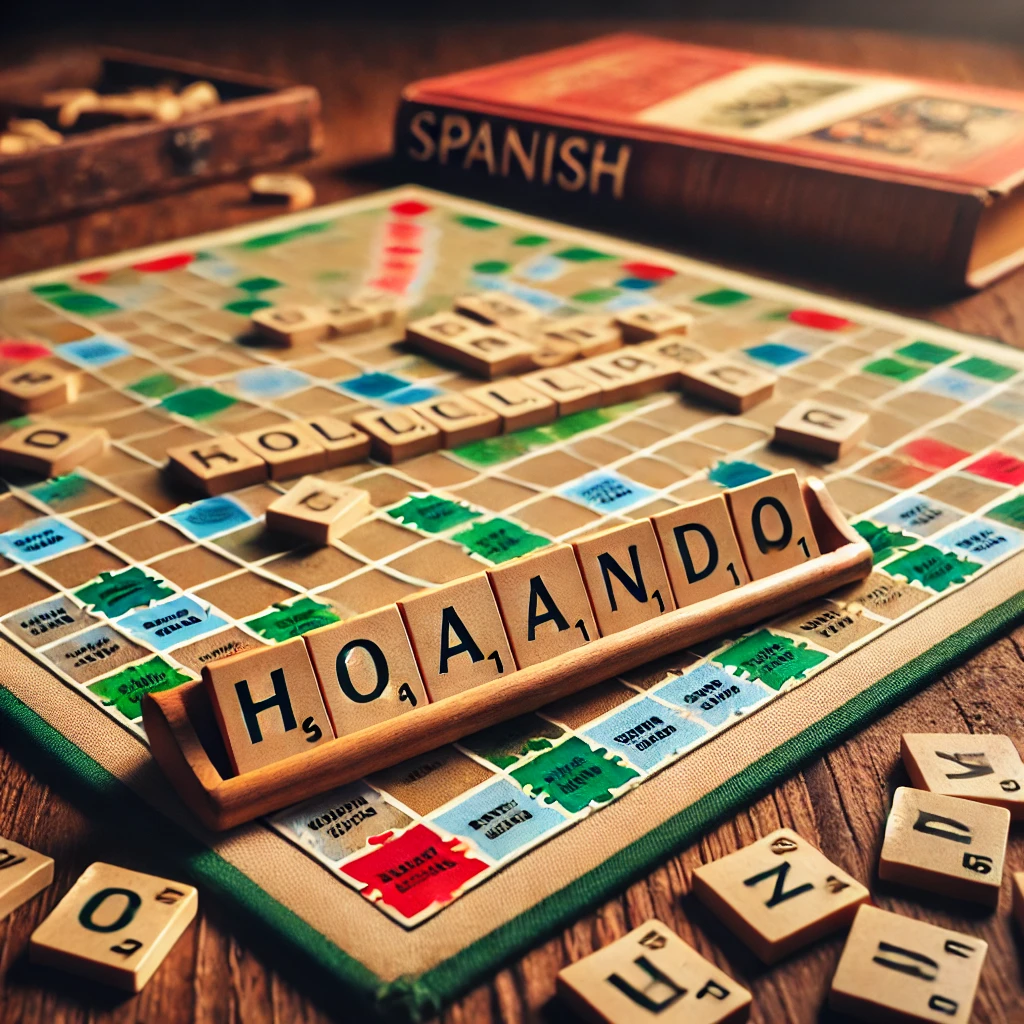
Nigel Richards from New Zealand won a big Scrabble tournament in Spanish, even though he doesn't speak the language. The competition was in Granada, Spain. Nigel is really good at Scrabble and has won five world titles in English. He learned Spanish words by memorizing them for a year.
People were amazed by Nigel's win because it was his first time playing Spanish Scrabble. The person who organized the contest was surprised by how well he did. The previous champion, Benjamín Olaizola from Argentina, came in second place. Nigel also won a French Scrabble title in 2015, even though he doesn't speak French.
Nigel uses math strategies to play Scrabble, not just language skills. He started playing Scrabble when he was 28 years old. He quickly became famous by winning the New Zealand title. Nigel lives in Malaysia now and likes to keep his life private, not doing many interviews.
Original news source: A New Zealander studied for a year to win the Spanish world Scrabble title. He doesn’t speak Spanish (AP News)
🎧 Listen:
📖 Vocabulary:
Group or Classroom Activities
Warm-up Activities:
– CHARADES
Instructions: Students will act out words related to Scrabble (like "word," "play," "score," etc.) without speaking, while their classmates guess what they are acting out. This will help them practice vocabulary in a fun, engaging way.
– OPINION POLL
Instructions: Students will discuss whether they think it's important to learn the language of a game they want to play, like Scrabble. They will circulate around the room and ask their classmates for their opinions, then share their findings with the class.
– MIND MAP
Instructions: In small groups, students will create a mind map on a large sheet of paper about Scrabble, including words associated with the game, strategies, and related languages (like Spanish and French). They will present their mind map to the class.
– VOCABULARY PICTIONARY
Instructions: One student will draw a word related to the article (like "tournament," "champion," or "strategy") on the board while their classmates guess the word. This activity will help reinforce vocabulary learned from the article.
– FUTURE PREDICTIONS
Instructions: Students will think about and discuss what they believe will happen in the future of competitive Scrabble. They can consider questions like, "Will more people learn other languages to play Scrabble?" or "Will there be more international tournaments?" Students will share their predictions with the class.
🤔 Comprehension Questions:
Nigel won a Scrabble tournament in Granada, Spain.
Nigel has won five world titles in English.
Nigel memorized Spanish words for a year.
Benjamín Olaizola from Argentina came in second place.
Nigel won a French Scrabble title in 2015.
Nigel was 28 years old when he started playing Scrabble.
Nigel lives in Malaysia now.
🎧✍️ Listen and Fill in the Gaps:
Richards from New won a big Scrabble tournament in Spanish, even though he doesn't speak the language. The competition was in Granada, . Nigel is really good at Scrabble and has won five world titles in English. He learned Spanish words by memorizing them for a year. were amazed by Nigel's win because it was his first time playing Spanish Scrabble. The who organized the was surprised by how well he did. The previous champion, Olaizola from Argentina, came in second place. Nigel also won a Scrabble in 2015, even though he doesn't speak French. Nigel uses math strategies to play Scrabble, not just language skills. He started playing Scrabble when he was 28 years old. He quickly became famous by the New Zealand title. Nigel lives in Malaysia now and to his life private, not doing many interviews.
💬 Discussion Questions:
1. What is your favorite board game?
2. How would you feel if you won a big competition?
3. Do you like learning new languages? Why or why not?
4. What is a skill you would like to be really good at?
5. Do you think it is important to practice a lot to be good at something? Why?
6. How would you feel if you had to learn a new language for a game?
7. Do you think playing games can help you learn? Why or why not?
8. What is your favorite word in your language?
9. How would you feel if you had to play a game in a language you don’t know?
10. Do you think it’s fun to memorize things? Why or why not?
11. What is a competition you would like to enter?
12. How would you feel if someone won a game without knowing the language?
Individual Activities
📖💭 Vocabulary Meanings:
Click a dot next to a word, then click the dot next to its meaning to draw a line connecting them.
Words
Meanings
🔡 Multiple Choice Questions:
🕵️ True or False Questions:
📝 Write a Summary:
Write a summary of this news article in two sentences.
Check your writing now with the best free AI for English writing!