A new report says that bad eyesight and high cholesterol can increase the risk of dementia. Dementia is a disease that affects the brain and memory. The report suggests fixing these problems, along with 12 other health issues, could stop almost half of dementia cases worldwide. It is especially important for middle-aged people and those in poorer countries to pay attention to these risks.
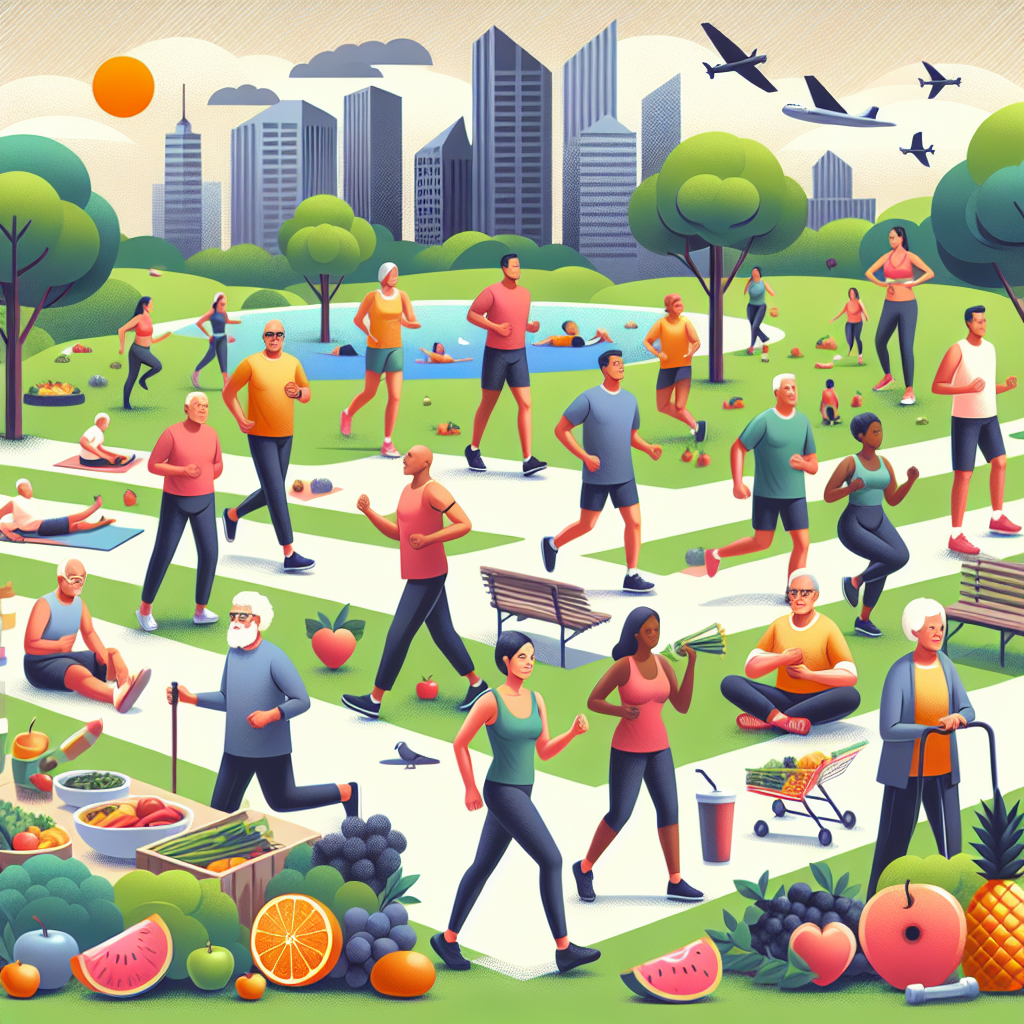
Professor Gill Livingston from University College London says it's important to take steps to lower dementia risk at any age. The report suggests things like using hearing aids, getting a good education, exercising, and staying socially active. People like Andy Watts, who has seen dementia in his family, want to make healthier choices to lower their own risk. The report also points out that hearing loss and high cholesterol are big factors in preventable dementia cases.
Some experts are careful about saying lifestyle changes directly stop dementia, but they agree that being healthy can help the brain. The report connects vision loss to dementia, saying poor eyesight might lead to being alone and less active, which can make memory problems worse. Even though treating vision problems is hard in poorer countries, there's hope because lifestyle changes have helped reduce dementia in richer countries. Overall, the report is hopeful, showing that people can take steps to lower their dementia risk.
Original news source: Two new dementia risks identified by major report (BBC)
🎧 Listen:
📖 Vocabulary:
Group or Classroom Activities
Warm-up Activities:
– CHARADES
Instructions: Students will act out key terms from the article, such as "dementia," "exercise," or "hearing aids," without speaking, while their classmates guess the word or phrase. This will help reinforce vocabulary related to health and dementia.
– OPINION POLL
Instructions: Students will walk around the classroom and ask their classmates questions about health and dementia, such as "Do you think exercise can help your brain?" or "Have you heard of dementia?" They will record the answers and share the results with the class.
– MIND MAP
Instructions: In small groups, students will create a mind map on paper. They will write "Dementia" in the center and brainstorm related ideas, such as causes, effects, and prevention methods mentioned in the article. Each group will then present their mind map to the class.
– VOCABULARY PICTIONARY
Instructions: Students will draw vocabulary words from the article, such as "cholesterol," "memory," or "education," on the board without using letters or numbers. Their classmates will guess the words based on the drawings, reinforcing vocabulary comprehension.
– TWO TRUTHS AND A LIE
Instructions: Each student will think of two true statements and one false statement related to the article's content (e.g., "Dementia only affects older people," "High cholesterol can increase dementia risk," "Regular exercise is important for brain health"). They will share their statements with a partner, who will guess which one is the lie.
🤔 Comprehension Questions:
Bad eyesight and high cholesterol can increase the risk of getting dementia.
It's important for them to pay attention because they may have a higher chance of getting dementia.
People can use hearing aids, get a good education, exercise, and stay socially active.
Professor Gill Livingston is from University College London. She says it's important to take steps to lower dementia risk at any age.
Poor eyesight might make people feel lonely and less active, which can make memory problems worse.
Some experts think that lifestyle changes might not directly stop dementia, but being healthy can help the brain.
The report is hopeful because it shows that people can take steps to lower their risk of dementia.
🎧✍️ Listen and Fill in the Gaps:
A new report says that bad eyesight and high cholesterol can increase the risk of dementia. Dementia is a disease that the brain and memory. The report fixing these problems, along with 12 other health issues, could stop almost half of dementia cases worldwide. It is especially for middle-aged people and those in poorer countries to pay attention to these risks. Professor Gill Livingston from University College London says it's important to take steps to lower dementia risk at any age. The report suggests things like hearing aids, getting a education, exercising, and staying socially active. like Andy Watts, who has seen dementia in his family, want to make healthier choices to lower their own risk. The report also points out that hearing loss and high cholesterol are big factors in preventable dementia cases. Some experts are careful about lifestyle changes directly stop dementia, but they agree that being healthy can help the . The report vision loss to dementia, saying poor eyesight might lead to being alone and less active, which can make memory problems worse. Even though treating problems is hard in poorer countries, there's because lifestyle changes have helped reduce dementia in richer countries. Overall, the report is hopeful, showing that people can take steps to their dementia risk.
💬 Discussion Questions:
1. What is dementia?
2. Do you think it is important to take care of your eyesight? Why?
3. How would you feel if someone in your family had dementia?
4. Do you like to exercise? Why or why not?
5. What is a healthy choice you make every day?
6. Do you think staying socially active is important? Why?
7. How would you feel if you had to wear hearing aids?
8. Have you ever seen someone struggle with memory problems? What did you think?
9. Do you think education can help prevent dementia? Why?
10. What is a way you can help your friends stay healthy?
11. How do you feel about living in a poorer country?
12. Do you think lifestyle changes can really make a difference? Why or why not?
Individual Activities
📖💭 Vocabulary Meanings:
Click a dot next to a word, then click the dot next to its meaning to draw a line connecting them.
Words
Meanings
🔡 Multiple Choice Questions:
🕵️ True or False Questions:
📝 Write a Summary:
Write a summary of this news article in two sentences.
Check your writing now with the best free AI for English writing!