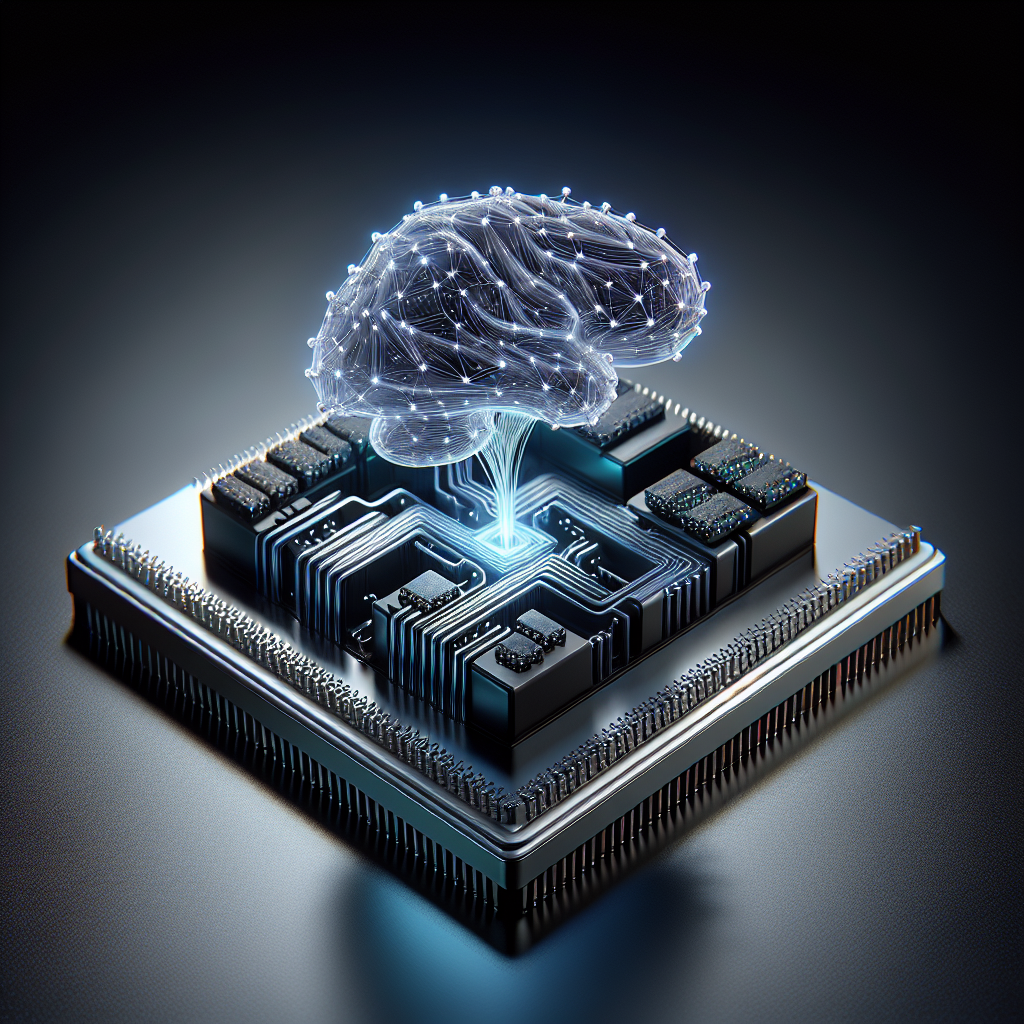
By 2026, the need for electricity from data centers, AI, and cryptocurrency will be twice as much as today. To solve this problem, some companies are creating neuromorphic computers, which work like the human brain. These computers could use less energy and work faster than regular computers. Companies like SpiNNcloud Systems, Intel, and IBM are already trying to make these new computers available to everyone.
Neuromorphic computers are different from regular ones in many ways. They have memory and processing units on one chip, which saves energy by reducing data transfer. They also work only when needed, like our brains, which helps save even more energy. Although there are still some problems to fix, people believe neuromorphic computers could change how we use AI and other technologies.
In the future, we might use a mix of regular, neuromorphic, and quantum computers to meet different needs. Neuromorphic computing is still new, but it has the potential to make computers much more efficient and powerful. Big companies and small startups are interested in this technology. With more improvements, neuromorphic computing could become a big deal in the tech world.
Original news source: Could brain-like computers be a 'competition killer'? (BBC)
🎧 Listen:
📖 Vocabulary:
Group or Classroom Activities
Warm-up Activities:
– News Summary
Instructions:
1. Divide the class into small groups.
2. Give each group a copy of the article.
3. Instruct the groups to read the article and summarize it in 3-5 sentences.
4. Each group will then present their summary to the class.
– Vocabulary Pictionary
Instructions:
1. Write down a list of vocabulary words from the article on separate cards.
2. Divide the class into pairs.
3. Give each pair a set of vocabulary cards.
4. Instruct one student from each pair to pick a card and draw a picture representing the word, while the other student guesses the word.
5. After a certain amount of time, switch roles.
6. The pair with the most correct guesses wins.
– Pros and Cons
Instructions:
1. Divide the class into two groups.
2. Assign one group to list the pros (advantages) of neuromorphic computers, and the other group to list the cons (disadvantages).
3. Give the groups a few minutes to brainstorm and write down their ideas.
4. Each group will then present their list to the class.
5. Encourage class discussion and debate about the pros and cons.
– Think-Pair-Share
Instructions:
1. Instruct the class to think about how neuromorphic computers could impact their daily lives and the future of technology.
2. Have students pair up and discuss their thoughts with their partner.
3. After a few minutes of discussion, ask each pair to share their ideas with the rest of the class.
4. Encourage students to listen and respond to each other's ideas.
– Future Predictions
Instructions:
1. Ask the class to imagine what technology will be like in 10 years.
2. Give each student a piece of paper and have them write down their predictions about how neuromorphic computers will be used and what other advancements in technology they expect to see.
3. Collect the papers and read a few predictions out loud, encouraging class discussion and sharing of ideas.
🤔 Comprehension Questions:
The problem that some companies are trying to solve is the increasing need for electricity from data centers, AI, and cryptocurrency.
Neuromorphic computers are different from regular computers because they have memory and processing units on one chip, which saves energy by reducing data transfer. They also work only when needed, like our brains, which helps save even more energy.
Neuromorphic computers use less energy because they have memory and processing units on one chip, which reduces the amount of data transfer. They also work only when needed, which helps save even more energy.
Some companies that are working on creating neuromorphic computers are SpiNNcloud Systems, Intel, and IBM.
Neuromorphic computers could change how we use AI and other technologies by making them more efficient and powerful. They could help us solve problems faster and use less energy.
In the future, we might use a mix of regular, neuromorphic, and quantum computers to meet different needs.
Big companies and small startups are interested in neuromorphic computing because it has the potential to make computers much more efficient and powerful. It could be a big deal in the tech world and bring new opportunities for innovation and growth.
🎧✍️ Listen and Fill in the Gaps:
By 2026, the for from data centers, AI, and cryptocurrency will be twice as much as today. To this problem, some companies are creating neuromorphic computers, which work like the human brain. These computers could use less energy and work faster than regular computers. Companies like Systems, Intel, and IBM are already trying to make these new available to everyone. Neuromorphic computers are different from regular in many ways. They have memory and processing units on one chip, which saves energy by reducing data transfer. They also work only when needed, like our brains, which helps even energy. Although there are still some problems to fix, believe neuromorphic computers could change how we use AI and other technologies. In the future, we might use a mix of regular, neuromorphic, and quantum computers to meet different needs. Neuromorphic computing is still new, but it has the potential to make computers much more efficient and powerful. Big and small startups are interested in this technology. With more , neuromorphic computing could become a big in the tech world.
💬 Discussion Questions:
1. What is a data center?
2. How would you feel if you had a computer that used less energy and worked faster?
3. Do you like the idea of computers that work only when needed? Why or why not?
4. What do you think are some problems that need to be fixed with neuromorphic computers?
5. How do you think neuromorphic computers could change how we use AI and other technologies?
6. Do you think using a mix of regular, neuromorphic, and quantum computers is a good idea? Why or why not?
7. Why do you think big companies and small startups are interested in neuromorphic computing?
8. How do you think neuromorphic computing could make computers more efficient and powerful?
9. What other improvements do you think could be made to neuromorphic computing?
10. How do you think neuromorphic computing could be a big deal in the tech world?
11. What is one thing you would like to see neuromorphic computers do in the future?
12. Do you think you would like to use a neuromorphic computer? Why or why not?
Individual Activities
📖💭 Vocabulary Meanings:
Click a dot next to a word, then click the dot next to its meaning to draw a line connecting them.
Words
Meanings
🔡 Multiple Choice Questions:
🕵️ True or False Questions:
📝 Write a Summary:
Write a summary of this news article in two sentences.
Check your writing now with the best free AI for English writing!