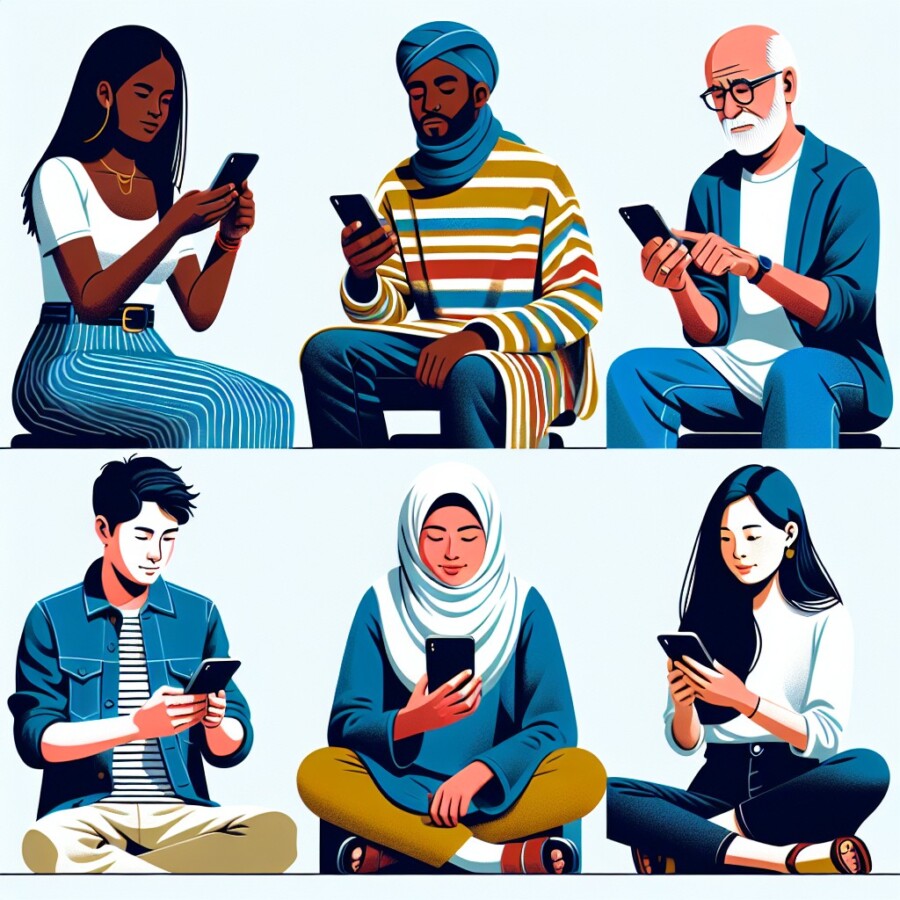



A report found that young people in their 20s are more likely to not have jobs because they are sick compared to people in their 40s. This is new because, in the past, older people were the ones usually not working because of sickness. The report says that many young people feel very sad or worried, which makes it hard for them to go to school or find jobs. In 2023, 5% of young people didn't have jobs because they were sick.
The report also says that young people who didn't go to college and young women are having a tougher time. Many young people who are not working because they are sick only finished school until they were 16. The report suggests that schools and colleges should help students feel better and do better in their studies. This is important so that young people can find good jobs and be healthy.
People who care about health say that having a good job and education helps people stay healthy. They are worried that if we don't help young people feel better, many of them will have a hard time in the future. They also say that things like social media make young people feel worse because they worry too much about what others think. The report uses information from a big survey, and even though this survey is not being done anymore, the report's findings are still considered important.
Original news source: More people in early 20s out of work from ill health than early 40s – study (BBC)
🎧 Listen:
📖 Vocabulary:
Group or Classroom Activities
Warm-up Activities:
– News Summary
Instructions: Divide the students into pairs or small groups. Give each group a copy of the article. Have them read the article and summarize the main points in their own words. Then, ask each group to share their summary with the class.
– Opinion Poll
Instructions: Write the following question on the board: "Do you think schools and colleges should do more to help students feel better and do better in their studies?" Have the students individually write down their opinion and a short explanation. Then, divide the class into pairs or small groups and have them discuss their opinions. After the discussion, conduct a class poll by asking each student to raise their hand for their opinion (e.g. "Raise your hand if you think schools and colleges should do more to help students"). Count the number of hands for each opinion and discuss the results as a class.
– Vocabulary Pictionary
Instructions: Write a list of vocabulary words from the article on the board (e.g. report, sick, worried, college, survey). Divide the class into teams. One student from each team will come to the front of the class and choose a word from the list. Without speaking, they must draw a picture on the board to represent the word. The rest of their team must guess the word within a certain time limit (e.g. 1 minute). The team that guesses the most words correctly wins.
– Synonym Challenge
Instructions: Write a list of words from the article on the board (e.g. young, jobs, sick, worried, college). Divide the class into pairs or small groups. Give each group a set of index cards or small pieces of paper. Their task is to write down as many synonyms for each word as they can within a certain time limit (e.g. 2 minutes per word). After the time limit, have each group share their lists with the class and discuss any new synonyms they discovered.
– Future Predictions
Instructions: Divide the class into pairs or small groups. Ask each group to discuss and make predictions about the future based on the information in the article. For example, "In the future, do you think more young people will have jobs or be unemployed because of sickness?" Have them write down their predictions and reasons. Then, ask each group to share their predictions with the class and have a class discussion about the different possibilities.
🤔 Comprehension Questions:
🎧✍️ Listen and Fill in the Gaps:
A report found that young people in their 20s are more likely to not have jobs because they are sick to people in their 40s. This is new because, in the past, older people were the ones usually not working because of . The report says that young people feel very sad or worried, which makes it hard for them to go to school or find jobs. In 2023, 5% of people didn't have jobs because they were sick. The report also says that young people who didn't go to college and young women are a tougher time. Many young people who are not working because they are sick only finished school until they were 16. The report that schools and colleges should help feel better and do better in their studies. This is important so that young people can find good jobs and be . People who care about health say that having a good job and education helps people stay healthy. They are that if we don't help young people feel better, many of them will have a hard time in the . They also say that things like social media make young people feel worse because they worry too much about what think. The report uses information from a big survey, and even though this survey is not being anymore, the report's findings are still considered important.
💬 Discussion Questions:
1. What is the report about?
2. Why do you think young people in their 20s are more likely to not have jobs because they are sick compared to people in their 40s?
3. How would you feel if you couldn't go to school or find a job because you were sad or worried?
4. Do you think it's fair that young people who didn't go to college and young women are having a tougher time? Why or why not?
5. What do you think schools and colleges can do to help students feel better and do better in their studies?
6. Why do people who care about health think having a good job and education helps people stay healthy?
7. How do you think social media can make young people feel worse? Do you worry too much about what others think?
8. What do you think about the report's findings? Do you think they are important?
9. How do you think young people who are not working because they are sick can find good jobs and be healthy?
10. Do you agree with the report's suggestion that schools and colleges should help students feel better and do better in their studies? Why or why not?
11. What can we do to help young people feel better and have an easier time in the future?
12. Do you think it's important to listen to young people's concerns about their health and well-being? Why or why not?
Individual Activities
📖💭 Vocabulary Meanings:
Click a dot next to a word, then click the dot next to its meaning to draw a line connecting them.
Words
Meanings
🔡 Multiple Choice Questions:
🕵️ True or False Questions:
📝 Write a Summary:
Write a summary of this news article in two sentences.
Check your writing now with the best free AI for English writing!