


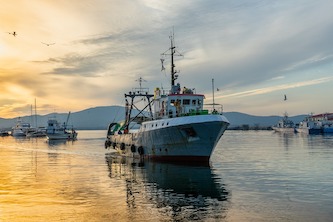
Studies have found that using lights can reduce bycatch by 63% and help fishermen get their nets back and untangled faster. The World Wide Fund for Nature (WWF) has been working with fishermen to test using colored LED lights to lower the chances of catching unintended sea creatures. They found that green lights are the best at keeping turtles from getting caught.
Even though this technology has been successful, some people wonder if the fishing industry will use it because of the cost. Akbar Digdo, who leads a non-profit in Indonesia, suggests combining the technology with a way to help fishermen afford it. Also, tools like the CatchCam, a camera that attaches to the fishing net, and Enki, a data collection system, have helped fishermen like Wightman work more efficiently and create less waste.
Using technology for sustainable fishing is a win for the ocean and for fishermen. It reduces bycatch, helps fishermen make more money, and makes fishing more efficient. Even though there are challenges, this technology has a lot of potential to help the environment and the fishing industry.
Original news source: Sustainable fishing: The tech making it cheaper and greener (BBC)
📖 Vocabulary:
Group or Classroom Activities
Warm-up Activities:
– News Reporter Role-play
Instructions: Students will be divided into pairs. One student will act as a news reporter and the other as an expert on sustainable fishing technology. The reporter will interview the expert about the new technologies mentioned in the article, such as the LED lights, cameras, and sensors that help reduce bycatch. They should also discuss the potential benefits and challenges this technology poses to the fishing industry.
– Vocabulary Pictionary
Instructions: Write down key terms from the article (e.g., bycatch, LED, sustainability, sensors, efficiency) on separate pieces of paper. Divide the class into two teams. Members from each team will take turns drawing the terms for their teammates to guess within a set time limit. Points are awarded for each correctly guessed term.
– Opinion Spectrum
Instructions: Create a line in the classroom that represents a spectrum of opinions from 'Strongly Agree' to 'Strongly Disagree.' Read out statements related to the article's content, like "Technology will solve the bycatch problem in fishing." or "The cost of new fishing technology is too high for widespread adoption." Students will place themselves along the line according to their opinion and discuss their reasons with the person next to them.
– Think-Pair-Share
Instructions: Pose a question to the class such as, "How can we balance the need for technological advancement with the costs associated with it in the fishing industry?" Give students a few minutes to think about their answer individually, then have them pair up to share their thoughts. After discussing in pairs, they will share a summary of their discussion with the whole class.
– Future Predictions
Instructions: Ask students to imagine the future of the fishing industry based on the information from the article. They will write a short paragraph predicting how the use of technology will evolve in the next 10 years and its impact on both the environment and the fishing economy. After writing, they can share their predictions with the class and discuss the feasibility and potential obstacles they foresee.
🤔 Comprehension Questions:
The main benefit of the new technology is that it helps reduce bycatch, which allows fishermen to catch more of the fish they actually want and waste less time and resources.
Bycatch is when unintended sea animals get caught in fishing gear. It's a problem because it can harm the ecosystem and it's a waste of time and resources for fishermen who have to deal with unwanted catch.
The tools use LED lights, cameras, and sensors to attract the right kind of fish and repel unwanted animals, like dolphins, which helps reduce bycatch.
Using lights can reduce bycatch by 63%.
Green LED lights have been found to be most effective in preventing turtles from getting caught.
Some people are concerned about the cost of the new technology and whether the fishing industry will be willing to use it.
The CatchCam, a camera that attaches to the fishing net, and Enki, a data collection system, have helped fishermen like Wightman work more efficiently and create less waste.
The overall advantages include reducing bycatch, helping fishermen make more money, and making fishing more efficient. This technology has the potential to benefit both the environment and the fishing industry.
🎧✍️ Listen and Fill in the Gaps:
Fishing in a way that doesn't harm the environment is getting easier and cheaper, thanks to new technology. Fishermen, like Ian Wightman, are using tools from SafetyNet to reduce bycatch. Bycatch is when unintended sea animals get caught in gear. These tools use LED lights, cameras, and to attract the fish and keep away unwanted animals like dolphins. This helps fishermen catch more of the fish they want and waste less time and . Studies have found that can reduce bycatch by 63% and help fishermen get their nets back and untangled faster. The World Wide Fund for Nature (WWF) has been working with fishermen to test using colored LED lights to lower the chances of catching sea creatures. They found that green lights are the best at keeping turtles from getting caught. Even though this technology has been , some people if the fishing industry will use it because of the cost. Akbar Digdo, who leads a non-profit in Indonesia, suggests combining the technology with a way to help afford it. Also, like the CatchCam, a camera that attaches to the fishing net, and Enki, a data collection , have helped fishermen like work more efficiently and create less waste. technology for sustainable fishing is a win for the and for fishermen. It reduces bycatch, helps fishermen make more money, and makes fishing more efficient. Even though there are challenges, this technology has a lot of potential to help the environment and the fishing industry.
💬 Discussion Questions:
1. What is bycatch and why do you think it's a problem for the ocean?
2. How would you feel if you were a fisherman and you caught animals you didn't intend to catch?
3. Do you like the idea of using LED lights to help fishermen catch the right kind of fish? Why or why not?
4. Do you think technology can solve many of our environmental problems? Give some examples.
5. Have you ever seen or heard about animals being harmed due to human activities? What happened?
6. What is a non-profit organization, and how do you think they can help with issues like bycatch?
7. How do you think fishermen could afford new technologies that are good for the environment but might be expensive?
8. What is sustainable fishing and why is it important for our planet?
9. Do you think it's important to balance making money with protecting the environment? Why or why not?
10. How would you feel if new technology made your job easier and more efficient?
11. What are some other ways you can think of to reduce waste in different jobs or industries?
12. Do you think it's the responsibility of businesses to invest in environmentally friendly technology? Why or why not?
13. Can you think of any examples where technology has made a big difference in protecting the environment?
14. How do you think the fishing industry can encourage more fishermen to use these new technologies?
15. What do you think the world would be like if all industries worked towards being more sustainable?
Individual Activities
📖💭 Vocabulary Meanings:
Click a dot next to a word, then click the dot next to its meaning to draw a line connecting them.
Words
Meanings
🔡 Multiple Choice Questions:
🕵️ True or False Questions:
📝 Write a Summary:
Write a summary of this news article in two sentences.
Check your writing now with the best free AI for English writing!