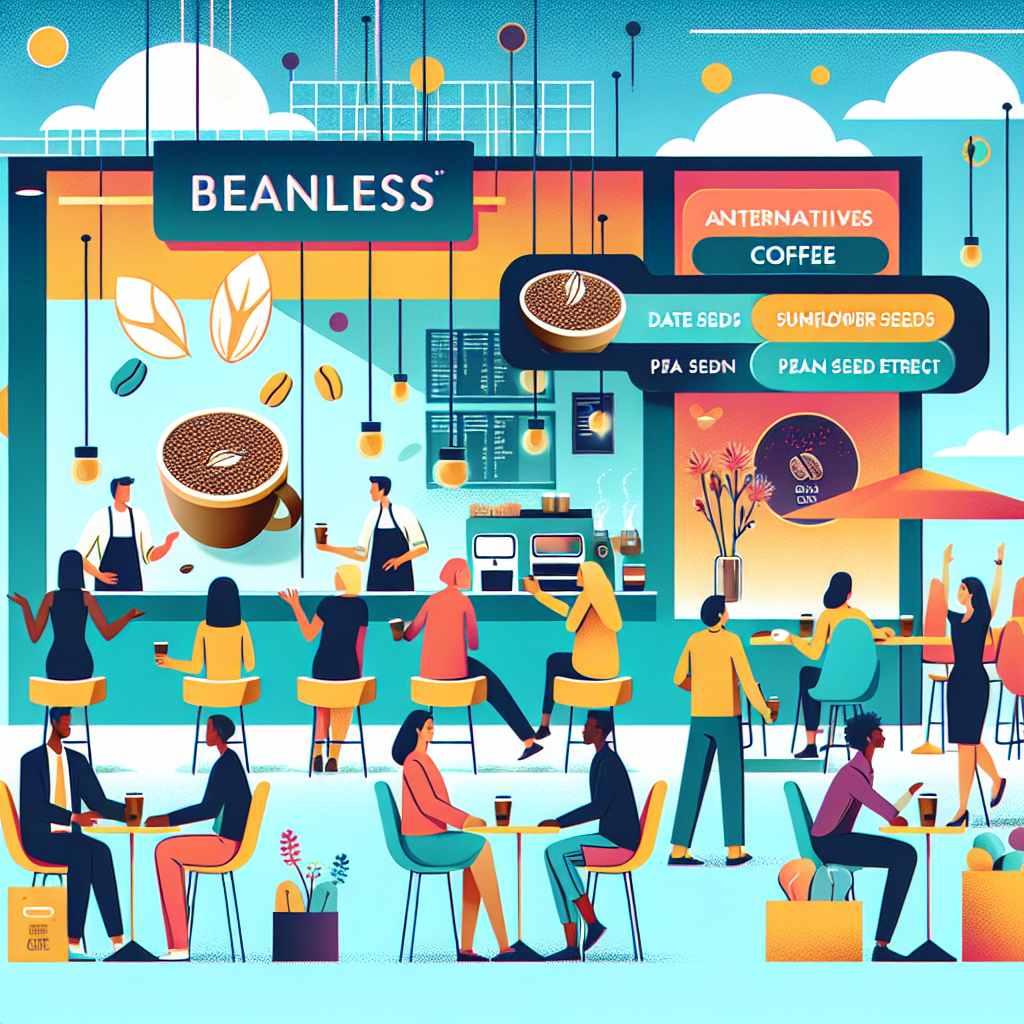
A new trend in the coffee world is beanless coffee products. Atomo, a company from Seattle, is a leader in this trend. They use ingredients like date seeds, sunflower seed extract, and pea protein to make a coffee-like drink without using any coffee beans. The goal is to give people the taste, caffeine, and experience of regular coffee but in a more eco-friendly way.
Regular coffee farming contributes to deforestation, so beanless coffee is seen as a more sustainable choice. With more people drinking coffee worldwide and climate change affecting coffee farms, there's a growing interest in alternative coffee options. Companies making beanless coffee believe their products might be cheaper than traditional coffee, especially as coffee prices go up globally.
While beanless coffee is a cool idea to help the environment, some worry about how it might affect coffee farmers and communities that depend on coffee growing for their income. Groups like Conservation International stress the need to support sustainable coffee farming and community projects in the coffee industry.
Companies like Atomo and Northern Wonder are leading the way in beanless coffee. They use ingredients like date seeds, ramón seeds, and chicory to make their products. Some companies are even looking into lab-grown coffee as another alternative. But challenges like making enough, getting approval, and getting people to try these new coffees still exist. The future of coffee and its impact on traditional coffee-growing areas is something to think about as beanless coffee becomes more popular.
Original news source: New beanless 'coffee' emerges but does it taste any good? (BBC)
🎧 Listen:
📖 Vocabulary:
Group or Classroom Activities
Warm-up Activities:
– Charades
Instructions: Divide the class into two teams. Write down words related to the article (e.g. coffee, beanless, eco-friendly, sustainable) on separate pieces of paper. One student from each team will come to the front and choose a word without showing their team. They will then have to act out the word without speaking while their team tries to guess. The team that guesses the most words correctly wins.
– News Summary
Instructions: Ask students to work in pairs. Each pair should read the article and then summarize the main points to their partner in their own words. Encourage them to focus on the key information such as the trend of beanless coffee, the reasons behind it, and the potential impact on the environment and traditional coffee farming.
– Vocabulary Pictionary
Instructions: Write down key vocabulary from the article (e.g. deforestation, sustainable, alternative) on separate pieces of paper. One student from each team will choose a word and have to draw it on the board while their team tries to guess the word. No writing or speaking allowed. This activity will help reinforce vocabulary from the article.
– Opinion Poll
Instructions: Create a list of statements related to the article (e.g. "I think beanless coffee is a good idea", "I believe traditional coffee farming should be supported"). Have students walk around the class and ask their classmates for their opinions on each statement. They should record whether their classmates agree or disagree and be prepared to share the results with the class.
– Sketch It
Instructions: Divide the class into pairs. One student from each pair will describe a scene or concept from the article (e.g. a coffee farm, a cup of beanless coffee) without mentioning key words, while the other student has to draw what is being described. This will test their ability to communicate clearly and effectively in English. Afterwards, partners can compare their drawings with the original idea.
🤔 Comprehension Questions:
Atomo uses ingredients like date seeds, sunflower seed extract, and pea protein to make their beanless coffee products.
Beanless coffee is seen as a more sustainable choice because regular coffee farming contributes to deforestation, while beanless coffee production does not require coffee beans.
Climate change is affecting traditional coffee farms by causing unpredictable weather patterns, which can lead to lower coffee yields and affect the quality of the coffee beans.
Some people are concerned that the rise of beanless coffee products could negatively impact coffee farmers and communities that rely on coffee growing for their income.
Groups like Conservation International stress the importance of supporting sustainable coffee farming practices and community projects in the coffee industry to ensure the well-being of both the environment and the people involved in coffee production.
Northern Wonder is mentioned as another company leading the way in beanless coffee production, using ingredients like date seeds, ramón seeds, and chicory.
Some challenges faced by companies producing beanless coffee include making enough product to meet demand, obtaining regulatory approval for their products, and convincing consumers to try these new coffee alternatives.
It is important to consider the future impact of beanless coffee on traditional coffee-growing areas to ensure that the shift towards alternative coffee options does not harm the livelihoods of coffee farmers and communities that depend on coffee production.
🎧✍️ Listen and Fill in the Gaps:
A new in the coffee world is beanless coffee products. , a company from Seattle, is a leader in this trend. They use like date seeds, sunflower seed extract, and pea protein to make a coffee-like drink without using any coffee beans. The goal is to give the taste, caffeine, and experience of regular coffee but in a more eco-friendly way. Regular coffee farming contributes to , so beanless coffee is seen as a more choice. With more people drinking coffee worldwide and climate change affecting coffee , there's a growing interest in alternative coffee options. making beanless coffee believe their products might be cheaper than traditional coffee, especially as coffee prices go up globally. While beanless coffee is a cool idea to help the environment, some about how it might affect farmers and communities that depend on coffee for their income. Groups like Conservation International stress the need to support sustainable coffee farming and community projects in the coffee industry. Companies like Atomo and Wonder are leading the way in beanless coffee. They use ingredients like date seeds, ramón seeds, and chicory to make their products. Some are even looking into lab-grown coffee as another alternative. But like making enough, getting approval, and getting people to try these new coffees still exist. The of coffee and its impact on traditional coffee-growing areas is something to think about as beanless coffee more popular.
💬 Discussion Questions:
1. What is beanless coffee and why do you think it is becoming popular?
2. How would you feel if your favorite coffee brand started making beanless coffee instead of using coffee beans?
3. Do you think beanless coffee is a good idea for helping the environment? Why or why not?
4. Have you ever tried any alternative coffee options, like beanless coffee or chicory coffee? How did it taste?
5. What do you think about the idea of lab-grown coffee as an alternative to traditional coffee farming?
6. Do you think beanless coffee products will actually be cheaper than regular coffee in the future? Why or why not?
7. How do you think beanless coffee might impact coffee farmers and communities that rely on coffee growing for their income?
8. Would you be willing to switch to beanless coffee if it meant helping the environment? Why or why not?
9. What are some other ways you can think of to make coffee production more sustainable?
10. Do you think traditional coffee companies should start investing in beanless coffee production? Why or why not?
11. How important do you think it is to support sustainable coffee farming and community projects in the coffee industry?
12. What do you think the future of coffee farming looks like with the rise of beanless coffee products?
13. Do you think people will be open to trying new coffee alternatives like beanless coffee, or do you think they will stick to traditional coffee? Why?
14. How do you think the taste of beanless coffee compares to regular coffee made from beans?
15. If you had the chance to try beanless coffee, would you? Why or why not?
Individual Activities
📖💭 Vocabulary Meanings:
Click a dot next to a word, then click the dot next to its meaning to draw a line connecting them.
Words
Meanings
🔡 Multiple Choice Questions:
🕵️ True or False Questions:
📝 Write a Summary:
Write a summary of this news article in two sentences.
Check your writing now with the best free AI for English writing!