The ocean does a lot of important things for our planet. It helps control the climate, makes oxygen, and affects the weather. But when the water gets warmer, it can't absorb as much carbon dioxide. That means there's more of this gas in the air, which makes the planet even hotter. Hotter oceans can also make ice melt faster, which causes the sea levels to rise.
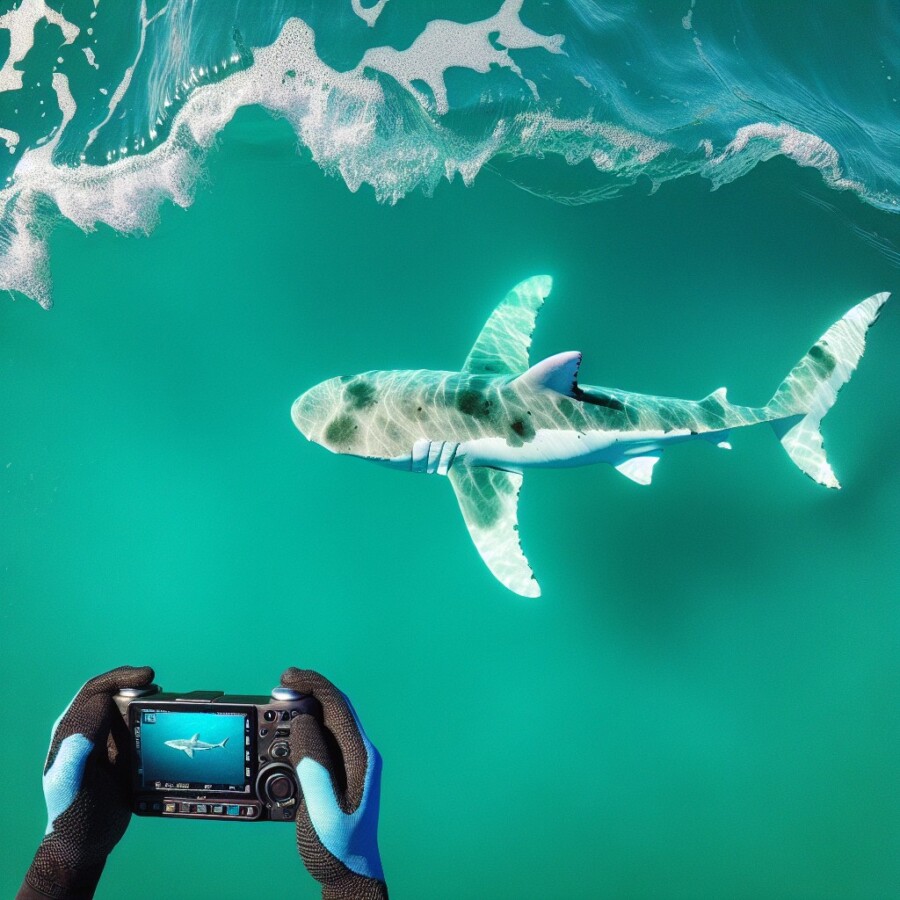
The hotter oceans are also causing problems for the animals that live in them. Fish and whales have to move to cooler waters, which messes up the food chain. This can affect the amount of fish we have to eat, and it can make some animals, like sharks, more aggressive. Coral reefs are also in danger because they're turning white and dying in many places, like Florida.
It's especially worrying that the ocean is getting so hot right now. Usually, March is the warmest month for the ocean, not August. This makes scientists concerned about how much hotter the ocean will get in the next few months. They think that climate change is to blame for the increase in ocean temperatures because the ocean absorbs a lot of the heat from greenhouse gases.
The last record for ocean temperature was set in 2016 during a climate event called El Niño. Another El Niño is happening now, but it's not as strong. However, scientists think that ocean temperatures will keep going up in the next few months. This year, there have already been a lot of heatwaves in the ocean in different places like the UK, the North Atlantic, the Mediterranean, and the Gulf of Mexico.
Even though the air has been getting hotter, the ocean takes longer to warm up. But now it seems like the ocean is catching up. Some scientists think that a lot of the heat has been hiding in the deep parts of the ocean and is now coming up to the surface. They think this might be connected to El Niño, but they're still trying to figure it out.
Scientists are still studying why the ocean is getting so hot. They knew that greenhouse gases would make the ocean warmer, but they didn't expect it to happen so fast. They're trying to understand more about what's going on and what it means for our planet.
Original news source: Ocean heat record broken, with grim implications for the planet (BBC)
📖 Vocabulary:
Group or Classroom Activities
Warm-up Activities:
– News Summary
Instructions: Have students read the article and write a summary of the main points in their own words. They should focus on the causes and effects of the ocean's rising temperature. After they have finished, have them share their summaries with a partner and discuss any similarities or differences they found.
– Opinion Poll
Instructions: Divide the class into small groups and give each group a set of questions related to the article. The questions should ask for their opinions on the topic, such as "Do you think climate change is the main cause of the rising ocean temperatures?" or "What do you think should be done to protect the oceans?" Have the groups discuss and answer the questions together, then have each group present their opinions to the class.
– Word Association
Instructions: Write the word "ocean" on the board and have students brainstorm as many words or phrases related to the ocean as they can in two minutes. After the time is up, have students take turns sharing their words or phrases and explain why they chose them. Encourage them to think about words related to the article, such as "temperature," "climate change," "animals," and "coral reefs."
– Sketch It
Instructions: Divide the class into pairs and give each pair a sheet of paper and a pencil. One student should describe a scene from the article, such as "a coral reef turning white and dying," while the other student tries to sketch it based on the description. After they have finished, have them switch roles and repeat the activity with another scene from the article. Finally, have each pair share their sketches with the class and explain what scene they were trying to depict.
– Future Predictions
Instructions: Have students imagine that they are scientists studying the rising ocean temperatures. In small groups, have them discuss and make predictions about what might happen in the future if the ocean continues to get hotter. They should consider both the environmental and human impacts. After they have finished, have each group share their predictions with the class and discuss any similarities or differences they found.
🤔 Comprehension Questions:
Copernicus says that the average temperature of the ocean's surface has reached a new record high.
It is bad news because it can mess up the Earth's climate and the animals that live in the ocean.
The ocean helps control the climate, makes oxygen, and affects the weather.
When the water gets warmer, it can't absorb as much carbon dioxide. That means there's more of this gas in the air, which makes the planet even hotter.
Hotter oceans make ice melt faster, which causes the sea levels to rise.
Hotter oceans are causing fish and whales to move to cooler waters, which messes up the food chain. It can affect the amount of fish we have to eat, and it can make some animals, like sharks, more aggressive. Coral reefs are also turning white and dying in many places.
Usually, March is the warmest month for the ocean, not August. This makes scientists concerned about how much hotter the ocean will get in the next few months. They think that climate change is to blame for the increase in ocean temperatures because the ocean absorbs a lot of the heat from greenhouse gases.
Scientists are still studying why the ocean is getting so hot. They knew that greenhouse gases would make the ocean warmer, but they didn't expect it to happen so fast. They're trying to understand more about what's going on and what it means for our planet.
🎧✍️ Listen and Fill in the Gaps:
The oceans are getting really hot, and that's not good news for our planet. The European Union's change service, Copernicus, says that the temperature of the ocean's surface has reached a new record high. This is bad because it can mess up the Earth's climate and the animals that live in the ocean. The ocean does a lot of important things for our planet. It helps control the climate, makes oxygen, and the weather. But when the water gets warmer, it can't absorb as much carbon . That means there's more of this gas in the air, which makes the planet even hotter. Hotter oceans can also make ice melt faster, which causes the sea levels to rise. The hotter oceans are also causing problems for the that live in them. Fish and have to move to cooler , which messes up the food chain. This can affect the amount of fish we have to eat, and it can make some animals, like sharks, more aggressive. Coral reefs are also in danger because they're turning and dying in many places, like Florida. It's especially worrying that the ocean is getting so hot right now. Usually, March is the warmest month for the ocean, not August. This makes scientists concerned about how much hotter the ocean will get in the next few months. They think that climate change is to blame for the increase in ocean temperatures because the ocean absorbs a lot of the heat from greenhouse gases. The last record for ocean temperature was set in 2016 during a climate event called El Niño. Another El Niño is now, but it's not as . However, think that ocean temperatures will keep going up in the next few months. This year, there have already been a lot of heatwaves in the ocean in different places like the UK, the North , the Mediterranean, and the Gulf of Mexico. Even though the air has been getting , the ocean longer to warm up. But now it seems like the ocean is catching up. Some scientists that a lot of the heat has been hiding in the deep parts of the ocean and is now coming up to the surface. They think this might be connected to El Niño, but they're still to figure it out. Scientists are still studying why the ocean is getting so hot. They knew that greenhouse gases would make the ocean warmer, but they didn't expect it to happen so fast. They're trying to understand more about what's going on and what it means for our planet.
💬 Discussion Questions:
1. What is the problem with the oceans getting hotter?
2. How would you feel if there was less fish to eat because of the hotter oceans?
3. Do you like swimming in the ocean? Why or why not?
4. What do you think will happen if the sea levels keep rising?
5. How would you feel if coral reefs disappeared completely?
6. What is El Niño and how does it affect ocean temperatures?
7. Do you think climate change is the main reason for the increase in ocean temperatures? Why or why not?
8. How do you think the hotter oceans will affect the weather?
9. Why do you think scientists are concerned about the ocean getting hotter in August instead of March?
10. How would you feel if the ocean became too hot to swim in?
11. What do you think can be done to reduce the temperature of the oceans?
12. How do you think the hotter oceans will affect marine animals?
13. Do you think humans are responsible for the increase in ocean temperatures? Why or why not?
14. What do you think scientists can do to better understand why the ocean is getting so hot?
15. How do you think the hotter oceans will affect the Earth's climate in the long run?
Individual Activities
📖💭 Vocabulary Meanings:
Click a dot next to a word, then click the dot next to its meaning to draw a line connecting them.
Words
Meanings
🔡 Multiple Choice Questions:
🕵️ True or False Questions:
📝 Write a Summary:
Write a summary of this news article in two sentences.
Check your writing now with the best free AI for English writing!