

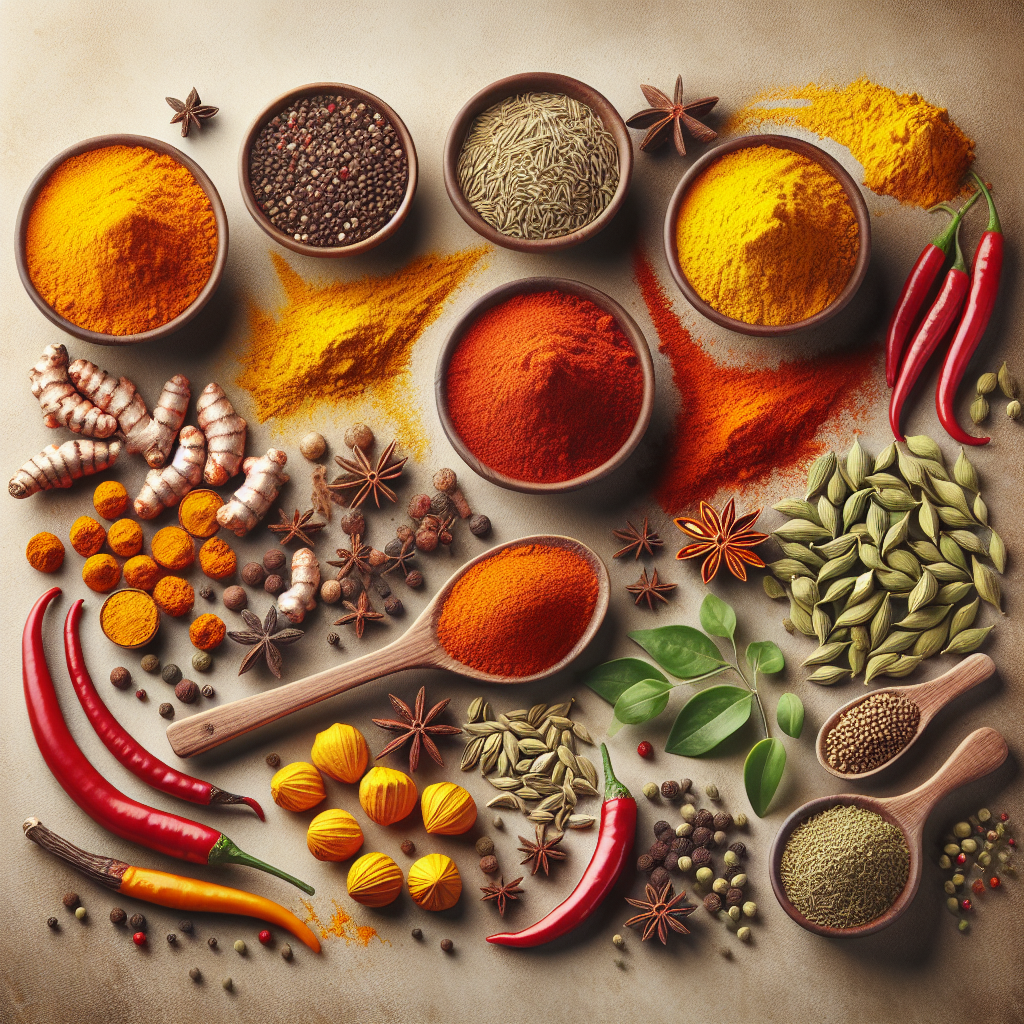
Indian spices, which are known for their delicious flavors and beautiful colors, are facing some safety concerns around the world. Countries like Singapore, Hong Kong, and the US have stopped selling spices from Indian companies MDH and Everest because they might have too much of a pesticide that can cause cancer. The European Union, Maldives, Bangladesh, and Australia are also investigating this issue. This isn't the first time Indian spices have been found to be contaminated, with past cases of having too much lead or being mixed with other things. Now, people are worried about the safety of Indian spices, and the government is doing tests and giving guidelines to exporters.
MDH and Everest are popular and trusted brands in India. MDH has been around for 105 years and is a family business, while Everest says it's the biggest spice maker in India. The government is trying to fix the problem by doing tests and giving guidelines. But people are worried that this could hurt India's reputation as a spice exporter and cause problems in the future. A report from a think tank even said that half of India's spice exports could be at risk because of these safety concerns.
To make sure that India's spice exports are safe, it's important to have transparency, strict rules, and clear communication. Experts think that India needs to make big changes to how it handles food safety. People in the West don't always know where their spices come from, so it's important to have more information and be open about where the spices are coming from. In the end, India needs to make food safety a priority if it wants to keep being a big player in the global spice market.
Original news source: Indian spices face heat over global safety concerns (BBC)
🎧 Listen:
📖 Vocabulary:
Group or Classroom Activities
Warm-up Activities:
– News Summary
Instructions: In pairs, students will read the article and create a summary of the main points. They should focus on the safety concerns surrounding Indian spices and the potential impact on India's spice exports. After writing their summaries, they can share with the class and compare their responses.
– Opinion Poll
Instructions: Divide the class into small groups and assign each group a specific role (e.g. consumers, spice exporters, government officials, health experts). Each group will discuss and share their opinions on the safety concerns surrounding Indian spices. They should also discuss potential solutions or actions that could be taken. After their discussion, each group will present their opinions to the rest of the class.
– Vocabulary Pictionary
Instructions: Write down key vocabulary words from the article on separate pieces of paper and place them in a bag or bowl. Divide the class into teams. One student from each team will draw a word from the bag and have to draw a picture representing that word. Their team members will try to guess the word. The team with the most correct guesses wins.
– Pros and Cons
Instructions: In pairs or small groups, students will create a list of the pros and cons of continuing to sell Indian spices despite the safety concerns. They should consider both the economic and health implications. After their discussion, each group will present their lists to the class and engage in a class-wide debate on the topic.
– Future Predictions
Instructions: Students will work individually or in pairs to write a short paragraph predicting the future of India's spice exports. They should consider the potential impact of the safety concerns and any actions that could be taken to address the issue. After writing their predictions, students can share with the class and discuss their ideas.
🤔 Comprehension Questions:
Some safety concerns surrounding Indian spices include the presence of pesticides that can cause cancer, contamination with lead or other substances, and the overall safety and quality of the spices.
Countries such as Singapore, Hong Kong, and the US have stopped selling spices from Indian companies MDH and Everest.
People are worried about the safety of Indian spices because of the potential health risks associated with consuming spices that may contain excessive amounts of pesticides or other contaminants.
MDH has been in business for 105 years.
India's reputation as a spice exporter could be negatively affected if these safety concerns are not addressed, potentially leading to a loss of trust and a decline in demand for Indian spices.
Experts believe that India needs to make significant changes to how it handles food safety, including implementing transparency, strict rules, and clear communication. They also suggest providing more information about the origin of spices and prioritizing food safety.
It is important for people in the West to have more information about where their spices come from because it allows them to make informed choices about the products they consume. Knowing the origin of spices can help ensure their safety and quality.
India needs to prioritize food safety if it wants to remain a big player in the global spice market. This includes implementing stricter regulations, conducting regular testing, and ensuring clear communication and transparency throughout the supply chain.
🎧✍️ Listen and Fill in the Gaps:
Indian spices, which are known for their delicious flavors and beautiful , are facing some safety concerns around the world. Countries like Singapore, Hong Kong, and the US have selling spices from Indian companies MDH and be they might have too much of a pesticide that can cause cancer. The European Union, Maldives, Bangladesh, and Australia are also investigating this issue. This isn't the first time Indian spices have been found to be contaminated, with past of having too much lead or being with other things. Now, people are worried about the of Indian spices, and the government is doing tests and giving guidelines to exporters. MDH and Everest are popular and trusted brands in India. MDH has been around for 105 years and is a family , while Everest says it's the biggest spice in India. The government is trying to fix the problem by doing and giving guidelines. But people are worried that this could hurt India's reputation as a spice exporter and cause problems in the future. A report from a think tank even said that half of India's spice could be at risk because of these safety concerns. To make sure that India's spice exports are safe, it's to have transparency, strict rules, and clear communication. think that India needs to make big changes to how it food safety. in the West don't always know where their spices come from, so it's important to have more information and be open about where the spices are from. In the end, India needs to make food safety a priority if it wants to keep being a big player in the global spice market.
💬 Discussion Questions:
1. What is a pesticide and why can it be harmful?
2. How would you feel if you found out that the spices you were using were contaminated with pesticides?
3. Do you like using Indian spices in your cooking? Why or why not?
4. Do you think it's important for countries to test and regulate the safety of imported spices? Why or why not?
5. What do you think could happen to India's reputation as a spice exporter if the safety concerns are not addressed?
6. How would you feel if you were a spice exporter from India and your business was affected by these safety concerns?
7. Do you think it's important for consumers to know where their spices come from? Why or why not?
8. What changes do you think India should make to improve food safety in the spice industry?
9. How do you think the safety concerns could impact the global spice market?
10. Why do you think Indian spices are known for their delicious flavors and beautiful colors?
11. Have you ever tried Indian spices in your cooking? If so, what was your experience like?
12. How do you think the government can effectively communicate safety guidelines to spice exporters?
13. Do you think other countries should continue to investigate the safety of Indian spices? Why or why not?
14. What measures do you think should be taken to ensure the transparency of spice exports from India?
15. Why do you think it's important for India to prioritize food safety in order to remain competitive in the global spice market?
Individual Activities
📖💭 Vocabulary Meanings:
Click a dot next to a word, then click the dot next to its meaning to draw a line connecting them.
Words
Meanings
🔡 Multiple Choice Questions:
🕵️ True or False Questions:
📝 Write a Summary:
Write a summary of this news article in two sentences.
Check your writing now with the best free AI for English writing!