
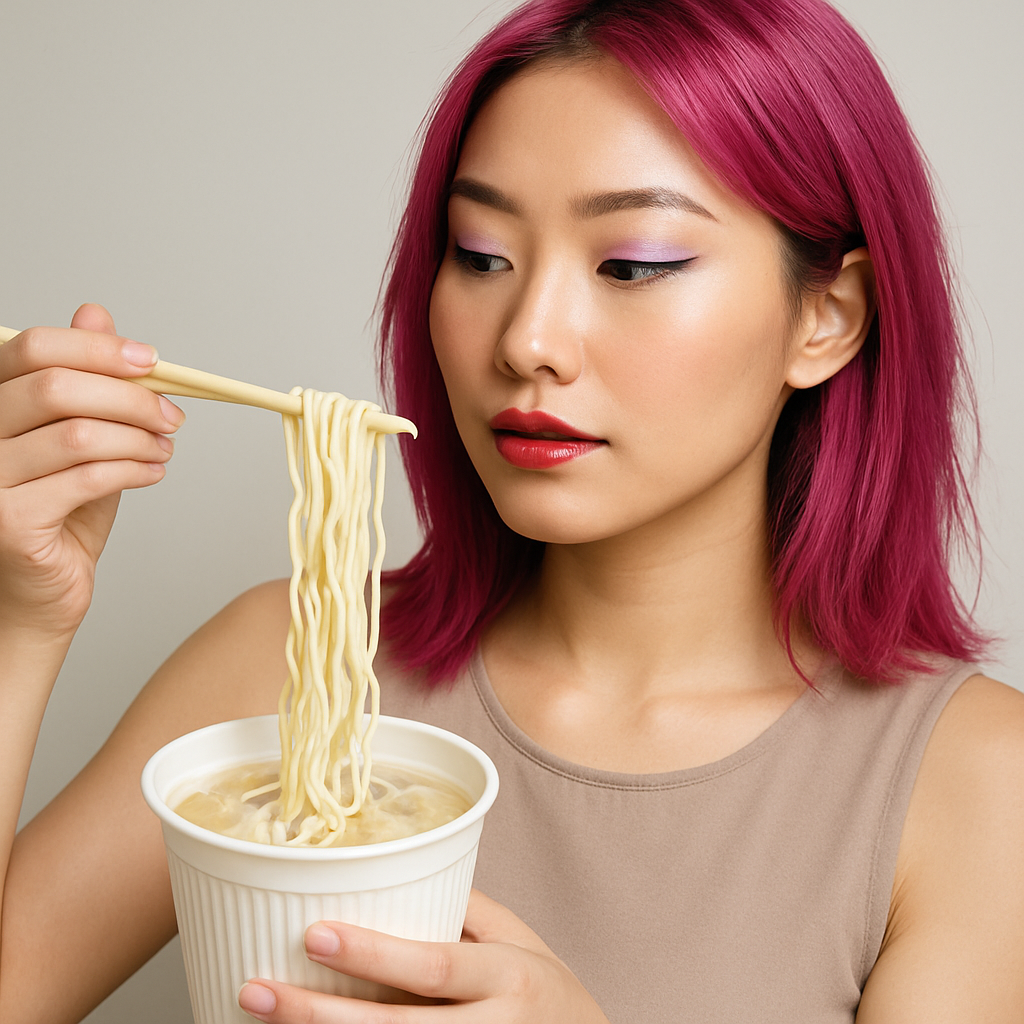
A culinary innovation in Japan has captured the curiosity of food lovers: cup noodles prepared with cold water. Traditionally, cup noodles are made using hot water; however, this new variant offers a refreshing twist intended for hot weather. The excitement surrounding this meal stems from its potential to provide a quick, cooling snack during Japan's hot summers.
The BBC's Tokyo correspondent, Kurumi Mori, explored the taste and appeal of this increasingly popular food. Upon trying the noodles, many were surprised by how well they worked as a cold dish. The unique concept quickly gained traction online, leading to a surge in demand and resulting in the noodles selling out in stores across the country.
The enthusiastic response appears linked to Japan's pattern of embracing innovative food trends. As pictures and reviews of the cold water cup noodles spread online, more people became curious and eager to try them. The viral nature of these noodles showcases how a simple change in preparation can create a significant impact in the culinary world.
The phenomenon highlights Japan's ongoing fascination with creative food ventures and hints at the enduring appeal of introducing fresh, novel ideas in a market that appreciates both tradition and experimentation. This trend suggests that sometimes, enjoying familiar foods with a new twist can capture widespread interest and enjoyment.
Original news source: Cup noodles made with cold water? BBC tries Japan's viral snack – BBC News (BBC)
🎧 Listen:
📖 Vocabulary:
Group or Classroom Activities
Warm-up Activities:
1. Have you ever tried a food prepared in a way that surprised you?
2. What is a popular culinary trend in your country?
3. How do you cool down during hot weather with food or drinks?
4. Have you ever cooked a traditional dish with a unique twist?
5. How does social media influence your interest in trying new foods?
🤔 Comprehension Questions:
The new cup noodles variant in Japan is prepared using cold water instead of hot water.
It is seen as refreshing because it provides a cooling snack option suitable for hot weather.
The BBC's Tokyo correspondent, Kurumi Mori, explored the taste and popularity of these noodles.
After gaining traction online, the noodles sold out in stores across Japan.
Japan's openness to innovative food trends contributed to the curiosity and eagerness to try the noodles.
The public was surprised by how well they worked as a cold dish.
It suggests that changes in preparation can capture widespread interest and enjoyment in the culinary world.
🎧✍️ Listen and Fill in the Gaps:
A culinary innovation in Japan has captured the curiosity of food lovers: cup prepared with cold . Traditionally, cup noodles are made using hot water; however, this new variant offers a refreshing twist for hot weather. The excitement surrounding this meal stems from its potential to provide a , cooling snack during Japan's hot summers. The BBC's Tokyo correspondent, Kurumi Mori, the taste and appeal of this increasingly popular food. Upon trying the noodles, many were surprised by how well they as a cold dish. The unique concept gained traction online, to a surge in demand and resulting in the noodles selling out in stores across the country. The enthusiastic response appears linked to Japan's of innovative food trends. As pictures and of the cold water cup noodles spread online, more people curious and eager to try them. The viral nature of these noodles showcases how a simple change in preparation can create a significant impact in the culinary world. The highlights Japan's ongoing fascination with creative food ventures and hints at the enduring appeal of introducing fresh, novel in a market that appreciates both tradition and experimentation. This trend suggests that sometimes, enjoying familiar with a new twist can capture interest and enjoyment.
💬 Discussion Questions:
1. What do you think about the idea of cold water cup noodles?
2. Would you be willing to try cold water cup noodles? Why or why not?
3. How important is it to keep innovating traditional foods?
4. Can social media make a big impact on food trends?
5. What are some of the risks of trying new food trends?
6. Do you prefer traditional dishes or innovative new dishes?
7. How do cultural trends influence your food preferences?
8. What's a food trend that you never understood?
9. How does climate affect the types of food people eat?
10. Is it important for food to look appealing in pictures?
11. Have you ever been influenced to try something because of a review?
12. How do you balance experimenting with food while respecting traditions?
Individual Activities
📖💭 Vocabulary Meanings:
Click a dot next to a word, then click the dot next to its meaning to draw a line connecting them.